An Indigenous woman with COVID-19 has been allegedly turned away from a Wilcannia medical service and later airlifted to Adelaide hospital, as local health officials admit the town does not have a ventilator.
Despite having the highest transmission rate of COVID-19 per person in New South Wales – with nine people contracting the disease overnight – the 750 people living in the town of Wilcannia are scared they won’t have the supplies they need.
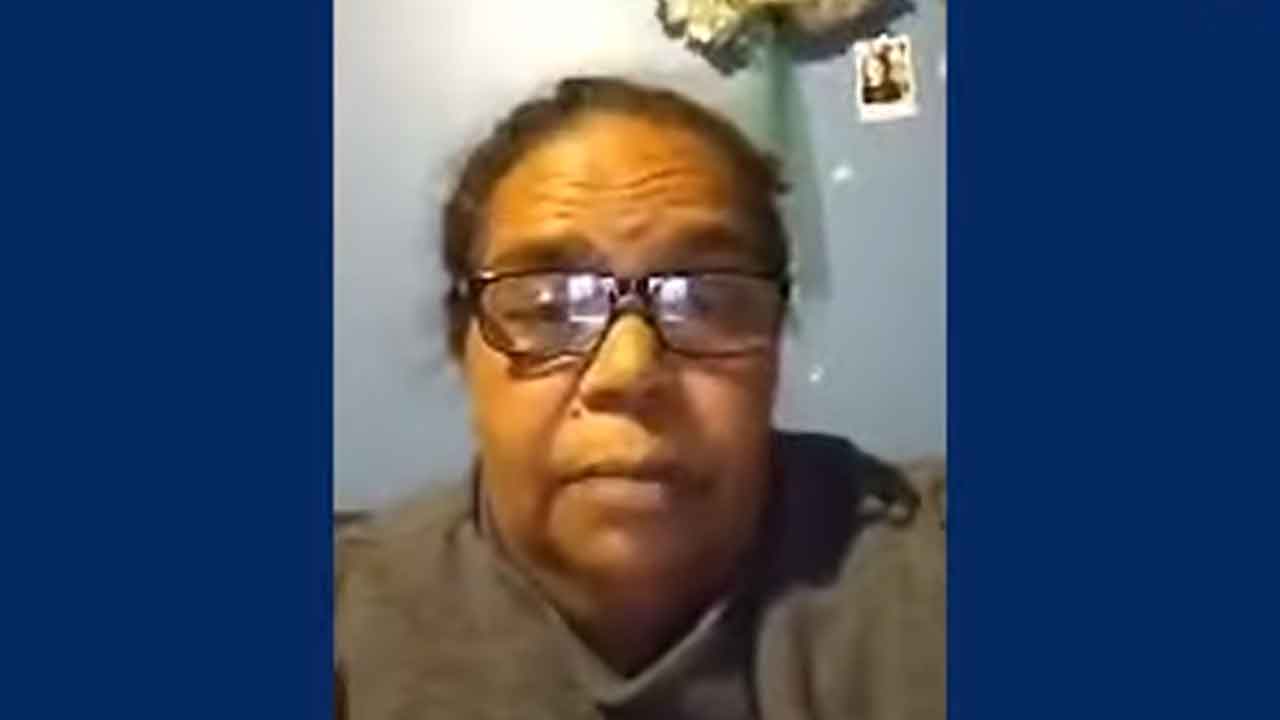
In a Facebook Live video, Barkindji woman Monica Kerwin-Whyman said she had been contacted by a young woman who had been turned away from hospital.

Image: SBS
“We don’t have a ventilator machine here right now in Wilcannia. And this woman needs medical treatment right now, she needs a ventilator, she is struggling to breathe and she’s home down there now,” Ms Whyman said in the clip.
“And when I rang somebody, they said: ‘ring triple-o’. I said: “What for? She was already at the hospital, and they wouldn’t let her in the front door’. They made her sit out in the cold.
“Somebody, anybody, get this out there,” she pleaded. “This is what’s going on in Wilcannia. And I’m crying, I’m tired, and nobody’s helping us.
“Health don’t have a duty of care, they don’t have a COVID plan here, they don’t have ventilators. They don’t have anything. I think they’ve just got body bags.”
Medical negligence lawyer Chloe Heterick says the federal government hasn’t done enough to protect First Nations communities from COVID-19, with more than 500 Aboriginal people in NSW alone contracting the virus.
Most have been infected since mid-June.
Detrimental consequences predicted
Ms Heterick, a Wiradjuri woman whose family is from western NSW, said it’s “not good enough”.
“We know that First Nations people are at higher risk for detrimental health outcomes, generally,” she told NITV News.
“We also know that First Nations people and particularly those in remote communities are already disadvantaged when it comes to adequate health care.
“And we know that over a year ago, the government was warned that an outbreak of COVID-19 in these communities would be detrimental.
“Yet here we are in western New South Wales with only 7 percent of First Nation’s population vaccinated, compared with 26 percent of the non-Indigenous population, and it’s, it’s not good enough.”
Worse than Sydney’s hotspots
With a higher transmission rate than the hotspots in Sydney, many have called for a coordinated effort from state and federal governments to help the tiny town to manage the spread, as well as to secure essential supplies and places for people to self-isolate.
As the virus continues to spread through the community, residents are also facing food shortages and issues isolating themselves from other family members.
After a positive case visited Wilcannia’s only grocery store, it was closed for deep cleaning, with the closest major town being 200 km away.
Wilcannia family told to ‘Go ring Uber Eats’ as COVID crisis worsens in the remote country town #COVID19 #covidnsw pic.twitter.com/8lVfMfPVKu
— NITV (@NITV) August 26, 2021
“They’re treating us like we’re suburban Sydney,” Ms Whyman told NITV.
“A family said, ‘I got no food’. They said, ‘Go ring UberEats.’
“We’re 200 kms away from the nearest big community which is Broken Hill. You know, where they have fast food and deliveries, food deliveries.”
“But Wilcannia, if you don’t cook for yourself you’re gonna go hungry because everything there in Wilcannia is closed by seven o’clock.”
In response to the situation, community representatives have raised $130,000 for the purchase of fresh fruit and vegetables for the community.

Essentials bought with the raised funds were delivered to Wilcannia by ambulance. Image Supplied
NITV has also reported that residents are struggling to self-isolate in overcrowded homes.
Barkindji man, Ronnie Murray, told the outlet: “they’re telling us to isolate, which is pretty hard with 10 people in the household.”
Image: The Guardian