Left for dead by a hit-and-run driver, a critically injured victim finally saw justice when the perpetrator’s Apple Watch became the “silent witness” that cracked the case.
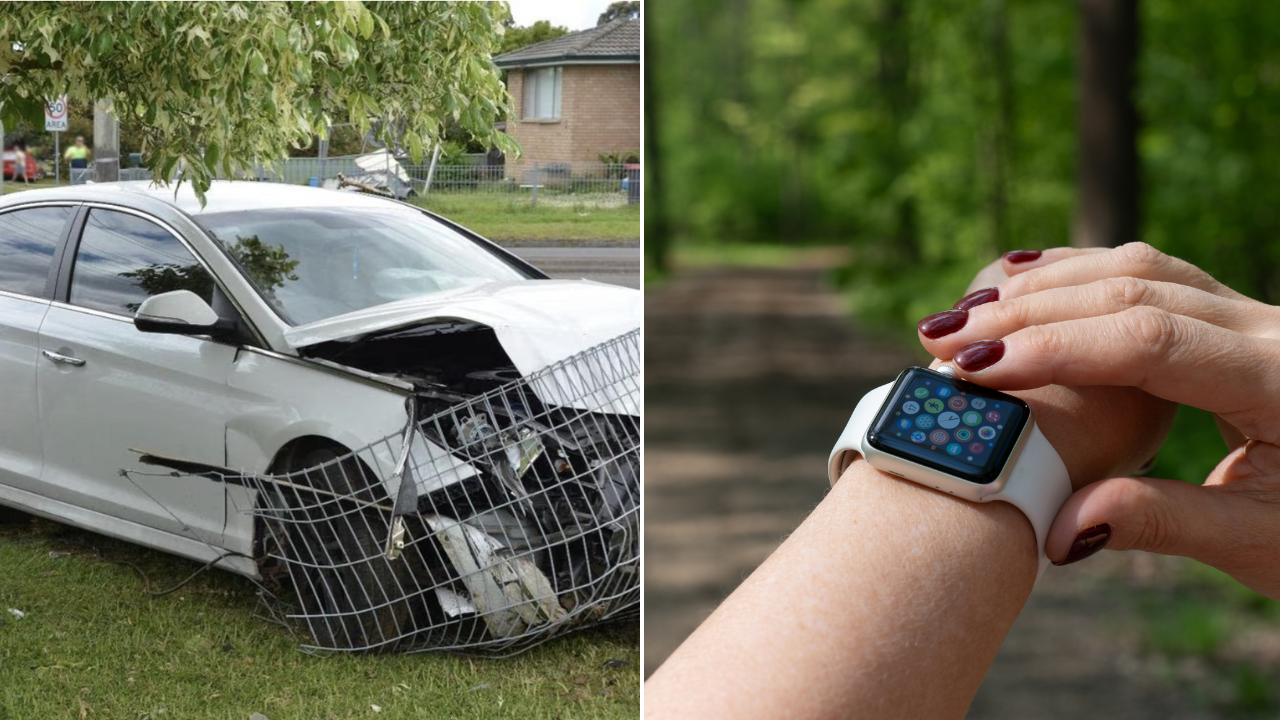
The smartwatch automatically contacted triple-0 at the moment of impact, creating a digital trail that led investigators to his attempted escape.
NSW Police say the conviction sends a clear warning to anyone who believes they can outrun the law in the digital age.
The collision occurred on Carlisle Avenue in Dharruk on a Thursday morning.
CCTV footage captured a white Hyundai Sonata travelling well above the 60km/h speed limit at 11.15am.
Moments later, the vehicle struck a red Mazda 2 hatchback in a severe T-bone collision, leaving the victim trapped with life-threatening leg and pelvic injuries.
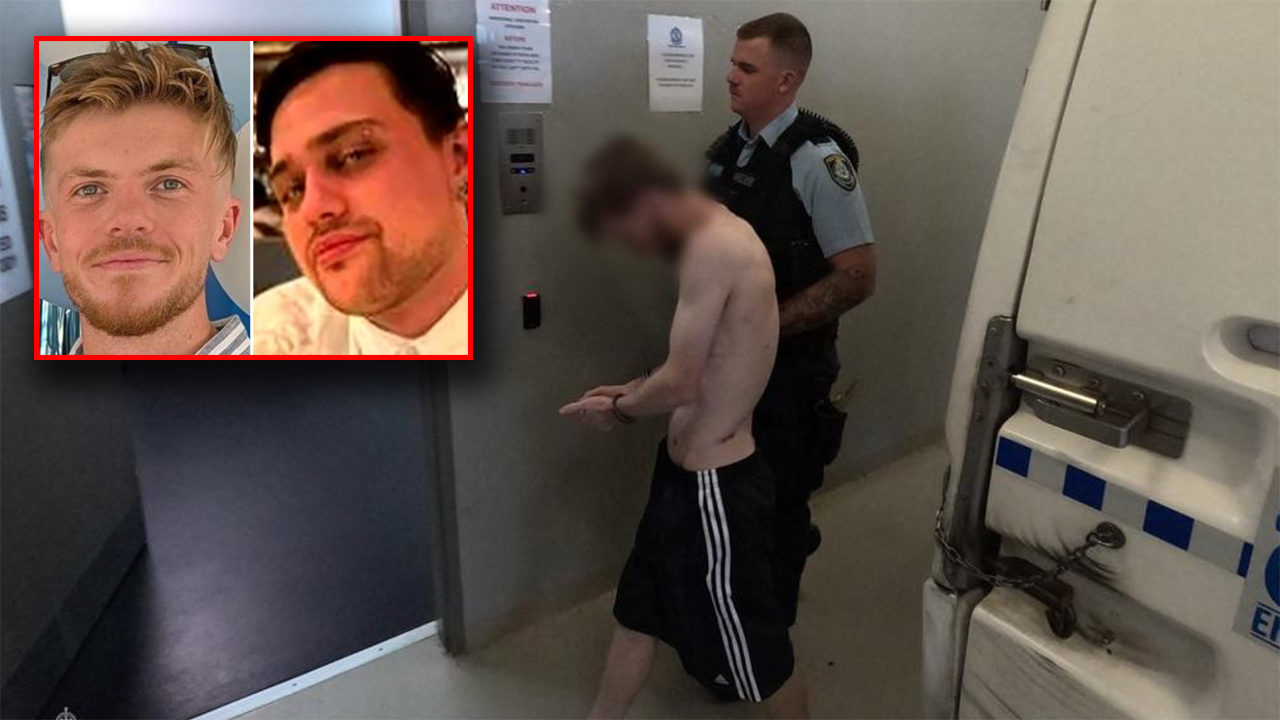
Police allege the unlicensed driver exited the Hyundai and failed to provide assistance, instead leaving the scene on foot.
CCTV footage showed the man using his mobile phone three minutes later to organise transport with his half-brother.
However, police records show his movements had already been logged.
“NSW Ambulance records indicate that at the time and date of the collision a notification was sent to NSW Ambulance from the accused’s mobile, via his Apple Watch,” police documents state.
“The automatic notification gave the caller address as being the location of the crash.”
The data was critical in allowing the NSW Police Crash Investigation Unit (CIU) to reconstruct the events surrounding the crash and identify inconsistencies in the accused’s account.
Detective Inspector Jason Hogan said advances in technology have significantly strengthened police investigations.
“It has made it so we can provide more compelling evidence to the court,” Inspector Hogan told news.com.au.
“Especially with CCTV and dashcam, we can do speed calculations… we can use smart phone collision data that can provide the actual time of impact and that helps us narrow down the search for CCTV.”
In court proceedings, a co-accused initially claimed responsibility for driving the vehicle, but forensic DNA analysis from the Hyundai’s deployed airbag excluded him.
Witness statements, CCTV footage and digital evidence ultimately linked the accused to the collision.
The man was found guilty in Parramatta District Court of multiple offences, including never being licensed to drive, negligent driving occasioning grievous bodily harm and failing to stop and assist.
His half-brother was also convicted and fined for hindering the investigation.
Inspector Hogan said hit-and-run investigations are among the most resource-intensive for police.
“Our fail to stop investigations are the most labour-intensive part of the job… If you are that driver, it will only be a matter of time before the CIU finds you and comes knocking on your door.”
He warned motorists that technology has made it increasingly difficult to evade accountability.
“Every decision you make while driving matters,” Inspector Hogan said. “Drive like lives depend on it, because they do.”
Inspector Hogan described road trauma as a “Pandora’s box”.
“It doesn’t stop at the crash site. One serious injury can change a life forever and the impact spreads to families, jobs, and everyday living.
“When a life is lost, the ripple effect is enormous, impacting parents, children, friends, schools and as we have seen, entire communities. These tragedies are not just numbers, they are stories of futures cut short, and lives turned upside down.”
He said police work closely with the Road Trauma Support Group to assist victims and families.
“They stand with families and victims through the darkest days, offering guidance and compassion during investigations and court proceedings.
“With trained counsellors and a deep understanding of grief, RTSG helps make the unbearable just a little more manageable. Their support is a lifeline for those facing the unimaginable loss of a loved one. This partnership reminds us that behind every statistic is a family, a story and a community that cares.”
Images: NSW Police / Shutterstock