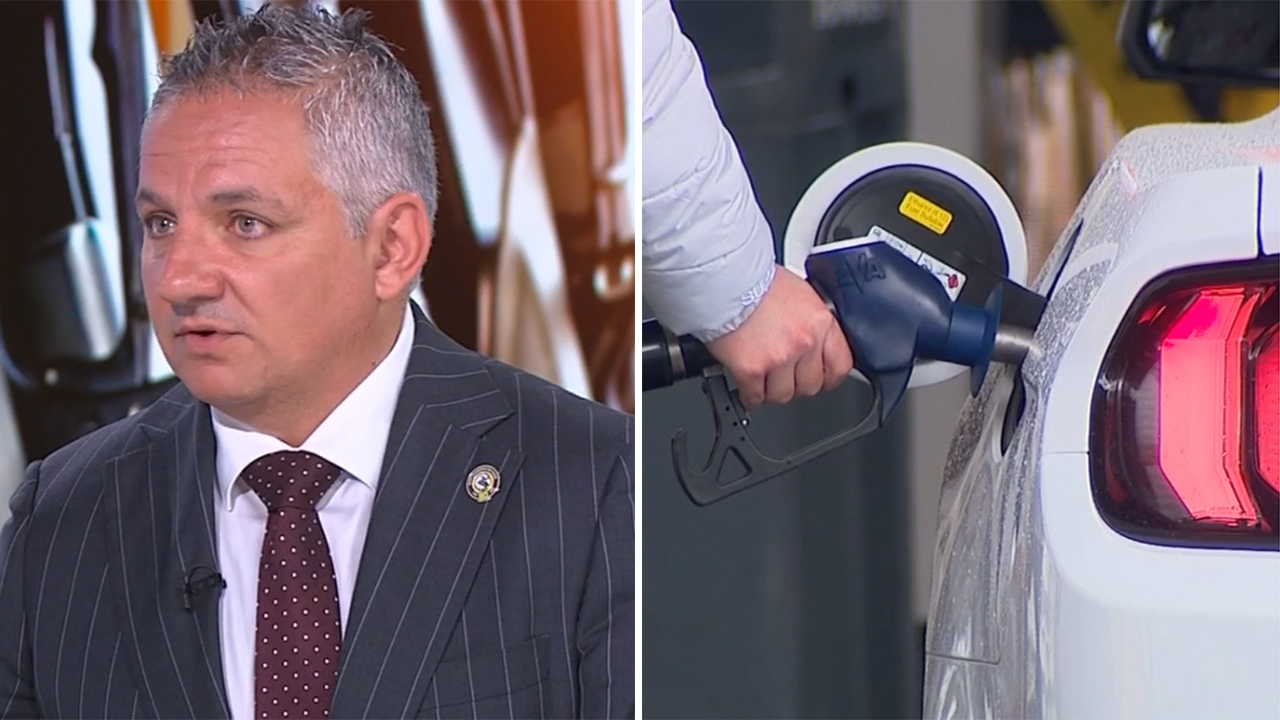
More than half of petrol stations in Sydney and Melbourne have been accused of using the escalating conflict in the Middle East as an excuse to hike fuel prices, with some raising costs by up to 10 cents a litre despite experts saying the crisis should not yet be affecting Australian fuel.
The NRMA claims drivers are being overcharged by at least five cents a litre, with some retailers increasing prices on fuel purchased at much lower wholesale rates.
While not all retailers are implicated, NRMA spokesperson Peter Khoury told Sunrise on Friday that Sydney, Melbourne, and Brisbane had been particularly affected. He accused some operators of using the “crisis to make money.”
Khoury said prices were already near the peak of the fuel cycle before tensions escalated.
“What we’ve seen in Sydney, Melbourne, Brisbane in particular, we were already at the top of the cycle. They were already charging the peak amount at $2.13 when the wholesale price was $1.53,” he said.
“The wholesale price has gone up 10 cents a litre. They’ve put their prices up even further, and they’re refusing to come down. They’re using a crisis to make money, and it’s got to stop.”
He explained that fuel from different stations cycles through at varying speeds, but wholesale price changes usually take seven to 10 days to reach consumers. “What we’ve seen is those prices go up when they shouldn’t have, and they went up too quickly,” Khoury said.
Although the practice is not technically illegal, the NRMA said the Australian Competition and Consumer Commission (ACCC) can pressure retailers by publicly naming those overcharging.
“The public are reporting them, and so there is more that they can do. They’ll drop their prices if you put a bit of pressure on them,” Khoury said.
The federal government has now stepped in, warning petrol stations that the ACCC will crack down on unjustified price hikes. Treasurer Jim Chalmers told the watchdog to closely monitor fuel retailers, while Liberal deputy leader Jane Hume said:
“It should be somewhere between one week, maybe two weeks before those wholesale prices flow through. If that’s not what you’re seeing, I’d be shouting at the rooftops.”
Health Minister Mark Butler condemned the price rises as “war profiteering.”
“The consumer watchdog has to do its job here. We cannot see motorists getting ripped off at the bowser,” he said. “There will be some pressure on petrol prices. There’s no question about that as oil prices continue to be impacted by this war, but it should take some while to flow through to the bowser.”
Parliamentary debate has also turned to Australia’s fuel reserves, revealed to cover only 36 days of supply – far below the 90-day recommendation from international energy agencies. Khoury said these reserves are strategic, not part of daily supply, and are intended to keep essential services running during extreme emergencies, such as a sudden halt in oil imports.
“We reserve fuel for the military, for emergency services, it’s not the same thing,” he said. “Australia has never reached a point at which oil shipments stopped arriving, even during the Second World War.”
For now, motorists are being urged to report suspicious price spikes, with Khoury saying public pressure remains one of the most effective ways to bring prices down.
How to Report Suspicious Petrol Prices
If you spot a sudden or unusual jump in fuel prices, you can help keep retailers accountable:
- Report to the ACCC: Submit details online including location, date, time, and price per litre.
ACCC Petrol Price Reporting - Use State Consumer Agencies:
- NSW Fair Trading: 13 32 20
- Consumer Affairs Victoria: 1300 55 81 81
- Track & Flag via Fuel Apps: Apps like FuelCheck (NSW) or FuelMap allow users to report spikes in real time.
- Public Pressure: Share concerns with local news or on social media – the ACCC monitors reports made publicly.
Tip: Include as much detail as possible: station name, location, type of fuel, date and price. Clear reports make it easier for authorities to act.
Images: Sunrise