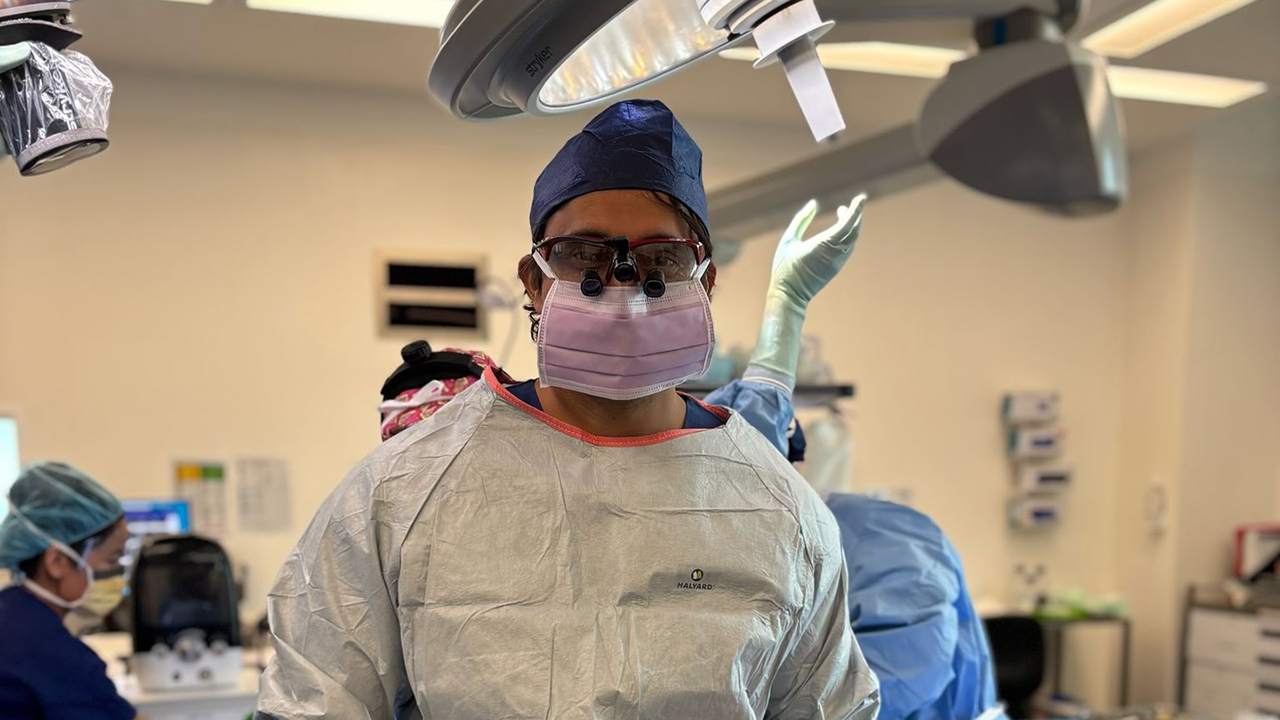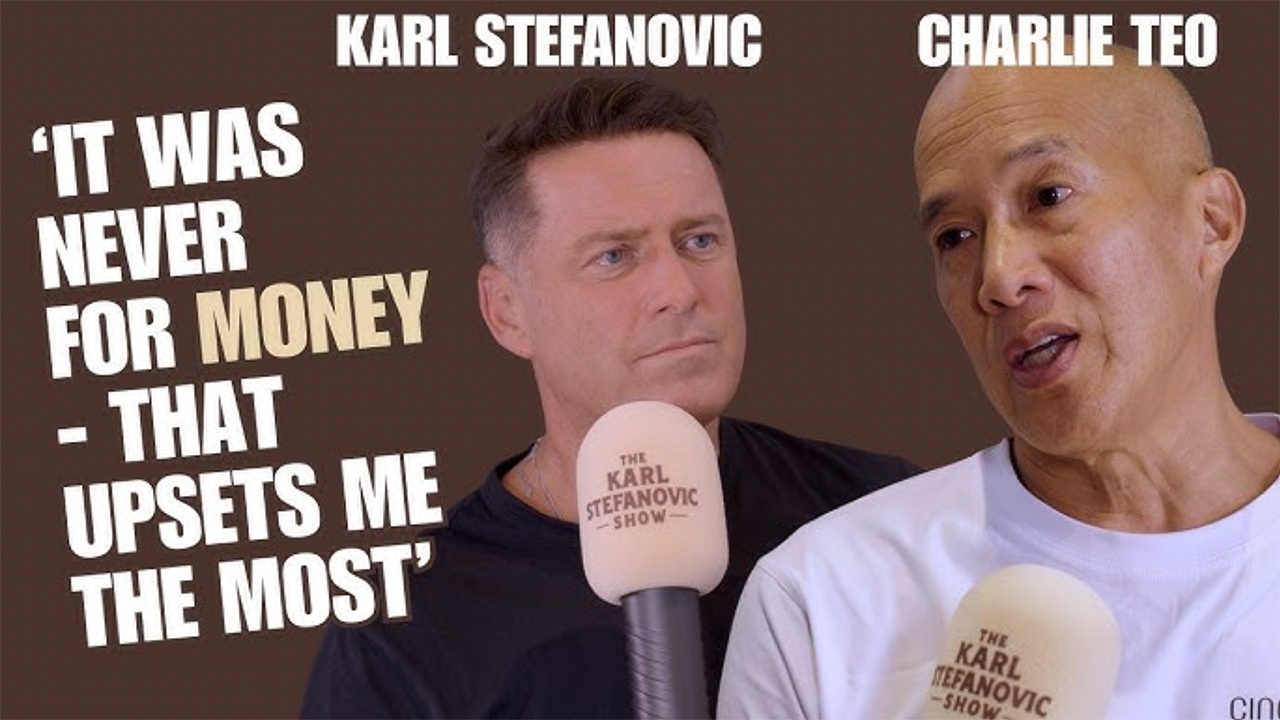
Veteran neurosurgeon Professor Charlie Teo AM has sat down with broadcaster Karl Stefanovic in what has quickly became one of the most candid and controversial conversations of the year.
In the newly released podcast episode – available now on YouTube – Teo opened up about his career, personal philosophy, publicly documented controversies and his ongoing mission to provide hope to patients facing the cruellest of diagnoses.
The interview, which is part autobiography, part defence, marks a significant moment for one of Australia’s most polarising medical figures. Teo, known for taking on complex brain surgeries deemed too high-risk by his peers, addresses long-standing criticisms head-on and shares his perspective on why he continues to pursue cases other surgeons will simply not touch.
Early in the discussion, Teo frames his approach to medicine as deeply patient-centric. He rejects the notion that his motivations are financial, a claim that has dogged him throughout his career and has featured in regulatory reviews and intense media scrutiny alike. “If it was about money, I wouldn’t be driving a second-hand car,” he tells Karl, dismissing critics who suggest his work is driven by profit rather than patient care.
Teo recounts his decision to specialise in neurosurgery, a field he describes as emotionally unforgiving but utterly essential. He tells Karl that he sees every patient as he would his own family, a mantra that drives him to accept cases others decline. This philosophy, he explains, compels him to pursue surgeries that offer “one more chance”, even when the odds are slim.
A large portion of the podcast focuses on Teo’s fallout with Australia’s medical establishment. He speaks about the restrictions placed on his practice and the professional conduct proceedings that have shaped the latter part of his career.
Teo also rejects suggestions that his work is reckless. Instead, he argues that his willingness to push boundaries stems instead from a belief in giving patients extra time or improved quality of life. “Hope is all we have,” he says – a phrase that becomes a recurring theme throughout the interview. He acknowledges that medicine is imperfect and that hope can be both powerful and painful, but insists it remains central to his work.
Throughout the episode, Teo also addresses criticism surrounding patient communication and surgical ethics. He does not shy away from questions about his public image, but maintains that much of the narrative about him is shaped by headlines rather than clinical context.
Karl presses him on his decision-making process, particularly in cases where families pay significant sums for treatment not readily available in the public system. Teo responds that brain tumour surgery – especially for aggressive or inoperable cancers – is inherently uncertain. Every choice, he says, carries the potential for both hope and heartbreak.
He argues that waiting for bureaucratic processes is not always viable when patients have limited time. In those moments, he says, families are not asking for guarantees; they are asking for a chance.
As the conversation unfolds, Teo reflects on how he wants to be remembered. He says his focus remains on patients, not reputation, though he acknowledges the personal toll of sustained public scrutiny.
Clips from the episode have of course circulated online soon after its release, reigniting debate about his legacy. Supporters have praised Teo’s candour and commitment to high-risk cases, while critics question aspects of his approach.
The podcast has become more than just an interview; it serves as a platform for Teo to speak directly to the public about his philosophy, his controversies and what continues to drive him.
For Karl, the exchange offers listeners a rare and unfiltered look at one of Australia’s most divisive medical figures – a man who insists that, in the face of devastating diagnoses, offering hope is not optional but essential.
Image: The Karl Stefanovic Podcast