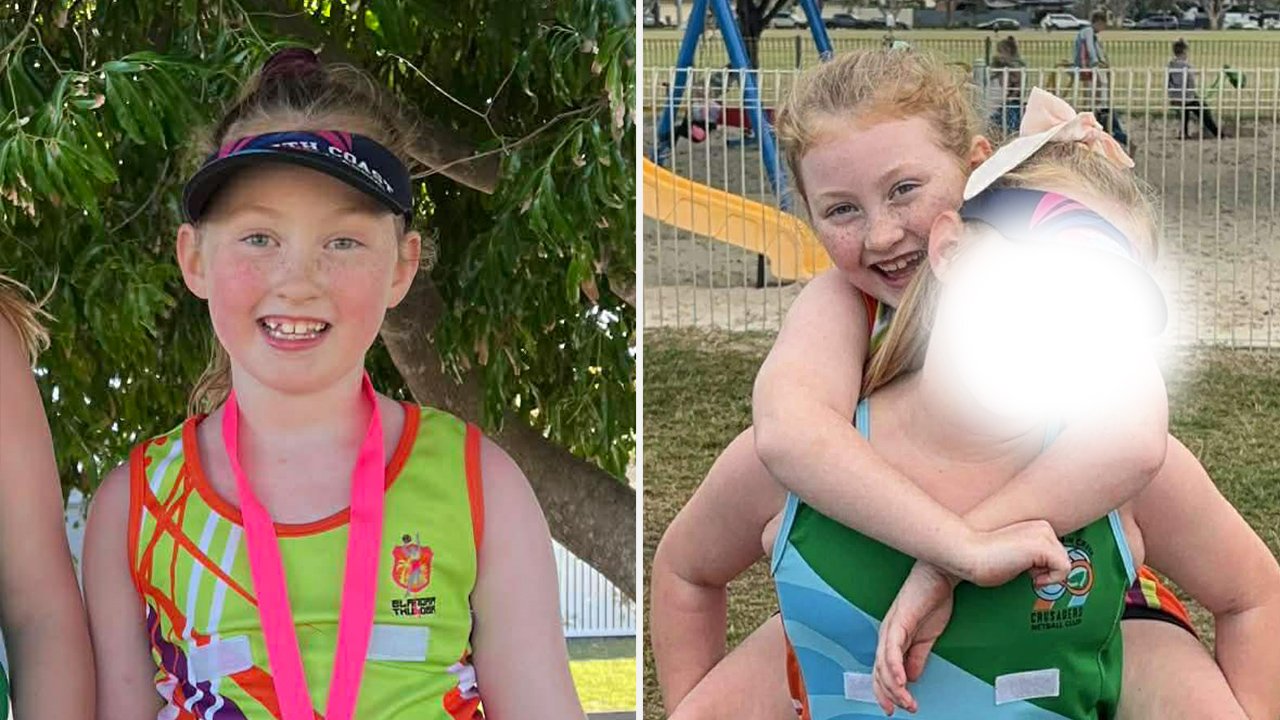
The official cause of death has been confirmed for Canadian teenager Piper James, who died on Queensland’s tourist island K’gari earlier this year.
A Queensland coroner released a brief statement on Friday, confirming the 19-year-old died from drowning linked to a dingo attack. James was found dead near the surf at the Maheno Wreck on January 19, a location well known to visitors on the island’s ocean-facing coastline.
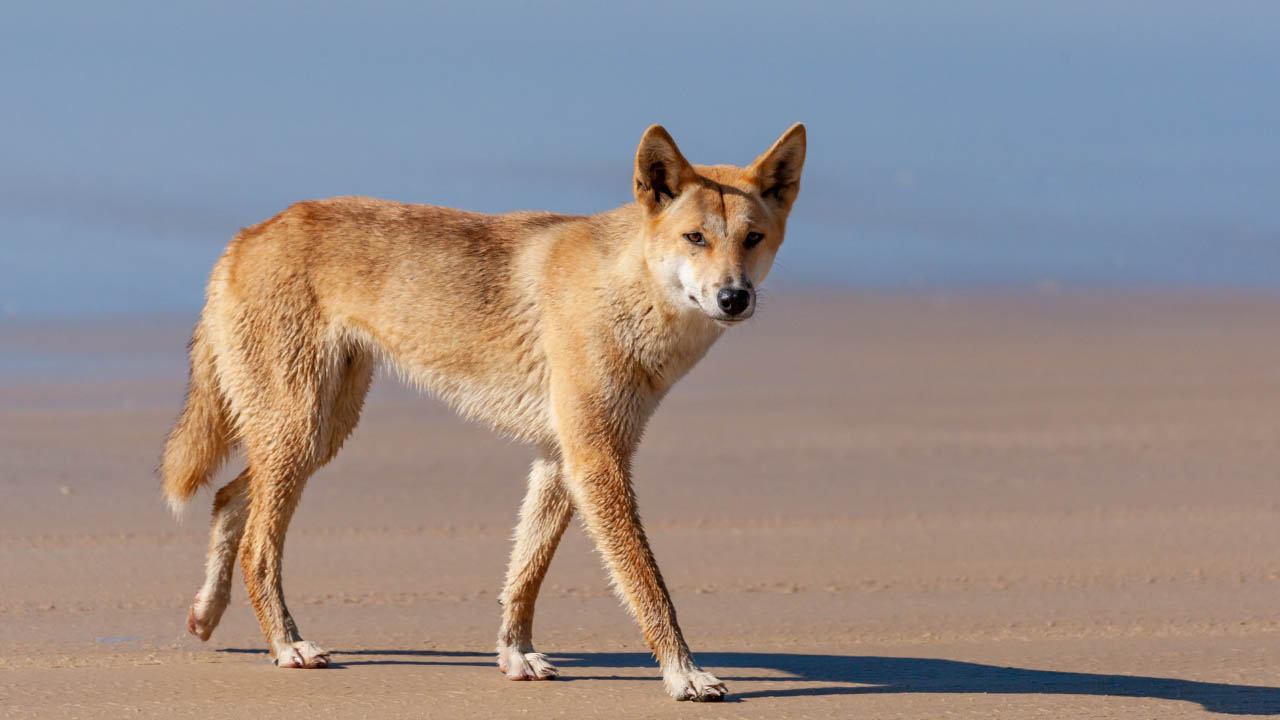
It’s believed she went for a swim at about 5am. About an hour later, passersby discovered her body, surrounded by a pack of around 10 dingoes. Early investigations and an initial autopsy did not reach a conclusive finding, but noted physical evidence consistent with drowning and dingo bites.
On Friday, a spokesperson for the Coroners Court said the final results have now been handed down.
“The Coroners Court of Queensland advises that the results of Piper’s cause of death have now been determined by the assigned Queensland Health forensic pathologist and has been accepted by the investigating Coroner,” they said.
“Piper died as a result of drowning in the setting of multiple injuries, due to, or as a consequence of a dingo attack.
“The investigation into Piper’s death is ongoing, and no further information can be provided at this time.”
James had been travelling around Australia with a friend on a five-month “trip of a lifetime”, and had been living and working on the island for about a week before she died. Her death shocked both locals and tourists, and prompted an immediate focus on dingo behaviour in the area.
Her family travelled to Australia last month, with a private cremation service held in Brisbane. Her remains have since been returned to British Columbia, Canada, where a celebration of life took place on February 28.
In January, the Department of Environment, Tourism, Science and Innovation said rangers had observed “aggressive behaviour” in the dingoes believed to have been involved around the time of James’ death. A decision was made to cull the pack thought to be connected to the incident.
“Following the initial autopsy findings, this pack’s involvement in the incident, and observations since, this pack has been deemed an unacceptable public safety risk,” the department said.
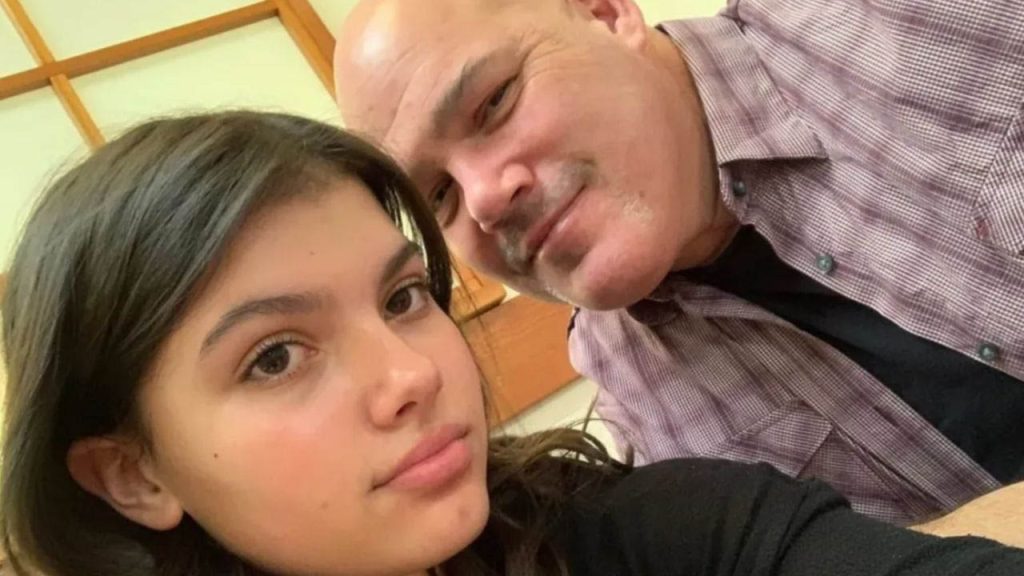
James’ father, Todd James, said his daughter loved nature and animals and would never have supported a dingo cull, but he agrees urgent safety changes are needed on K’gari. Among the measures he wants considered are better training for island staff, mandatory carrying of dingo sticks, and even banning children under 13 from visiting the island. He has argued that clearer warnings and stronger on-ground support could help prevent future tragedies.
The government’s decision to cull the dingoes has been criticised by K’gari traditional owners, the Butchulla Aboriginal Corporation. Local advocacy group Save K’gari Dingoes also condemned the move, calling it a “political decision made without consultation”.
While the investigation continues, the incident has renewed broader discussion about how dingoes and people share the island, including how visitors are educated about wildlife risks and how problem animals are managed. The last reported fatal dingo attack on K’gari was in 2001, when nine-year-old Clinton Gage fell and was attacked near a campsite, leading to the cull of around 30 dingoes.