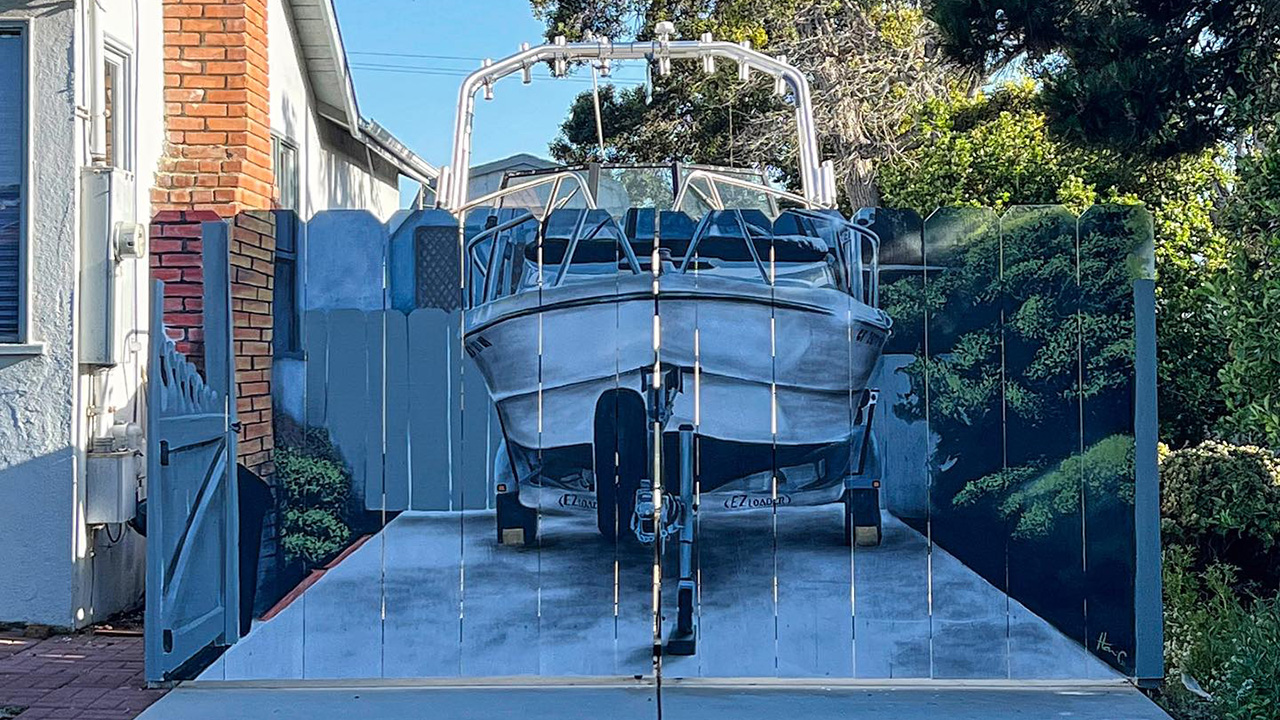
A homeowner who was hit with a council infringement notice after complaints about his boat sitting in his driveway decided to respond in a way that’s resonated with Australians dealing with council crackdowns on boats, caravans, trailers and unregistered vehicles around residential areas. The complaint centred on “visual amenity”, with the owner instructed to build a fence and gate to block the boat from street view. He complied, then took the final result into his own hands by calling in a neighbour with the skills to make a point.
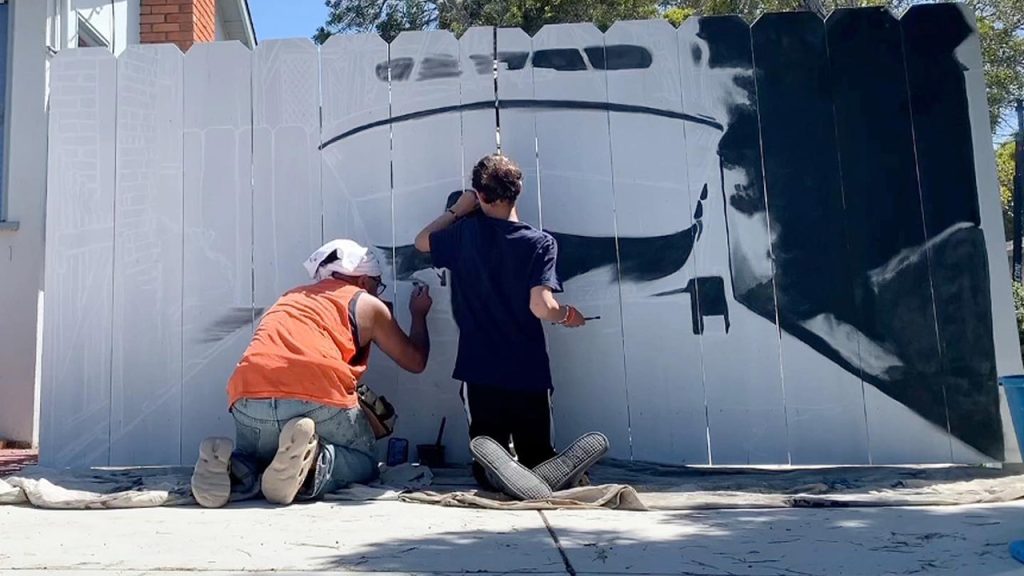
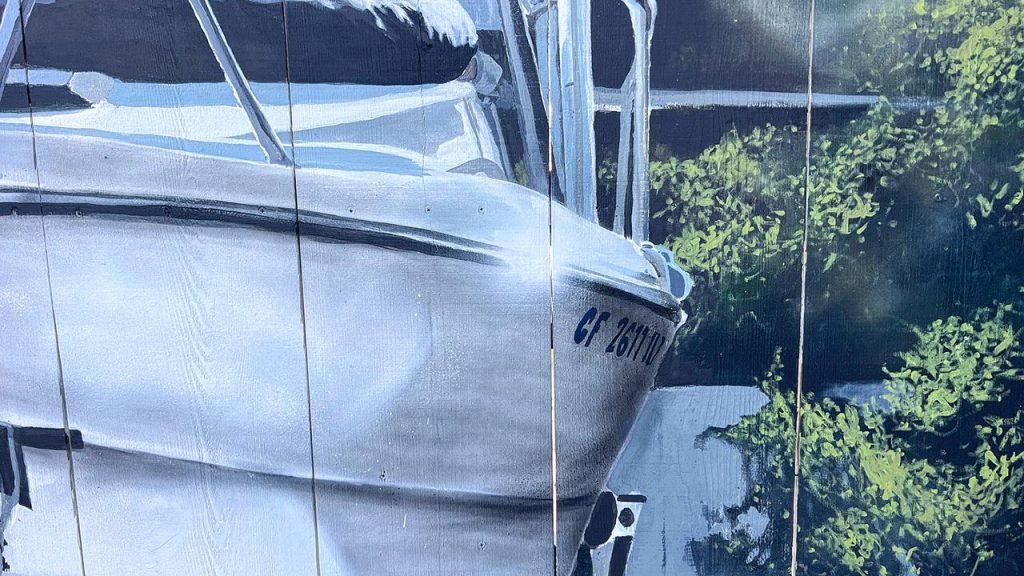
Mural artist Hanif Wondir was asked to paint the boat directly onto the new fence and gate so that anyone walking or driving past could still see exactly what was being “hidden”. “My neighbour has a sea-faring vessel which he parks on the side of his home,” Mr Wondir said. “He received a letter from the council stating he needed to build a new fence to hide said vessel from view of the street.” Mr Wondir said that after the fence went up, the owner had another idea. “After reluctantly building the fence and driveway, he presented a cheeky idea to me that would require my artistic skills.”
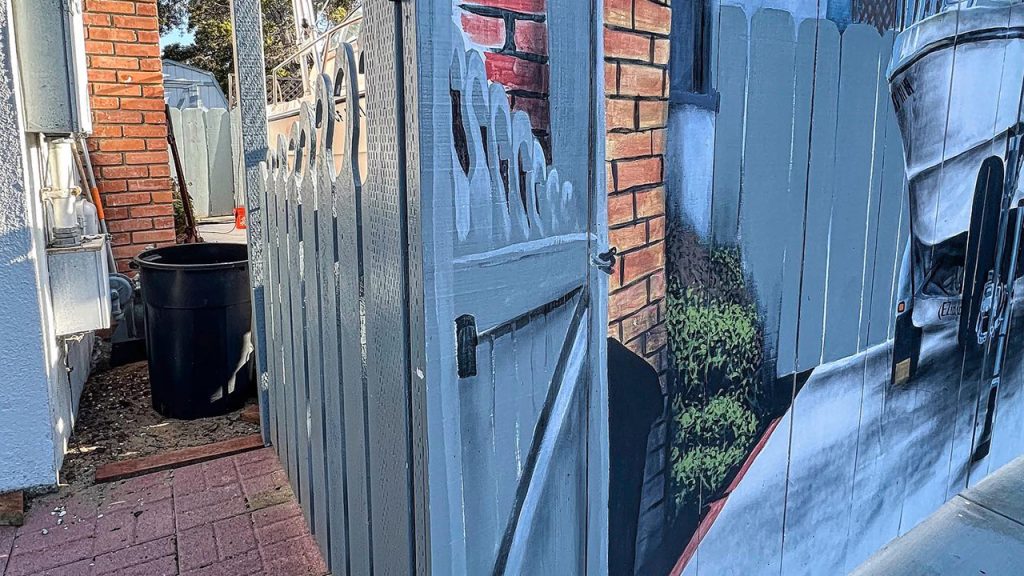
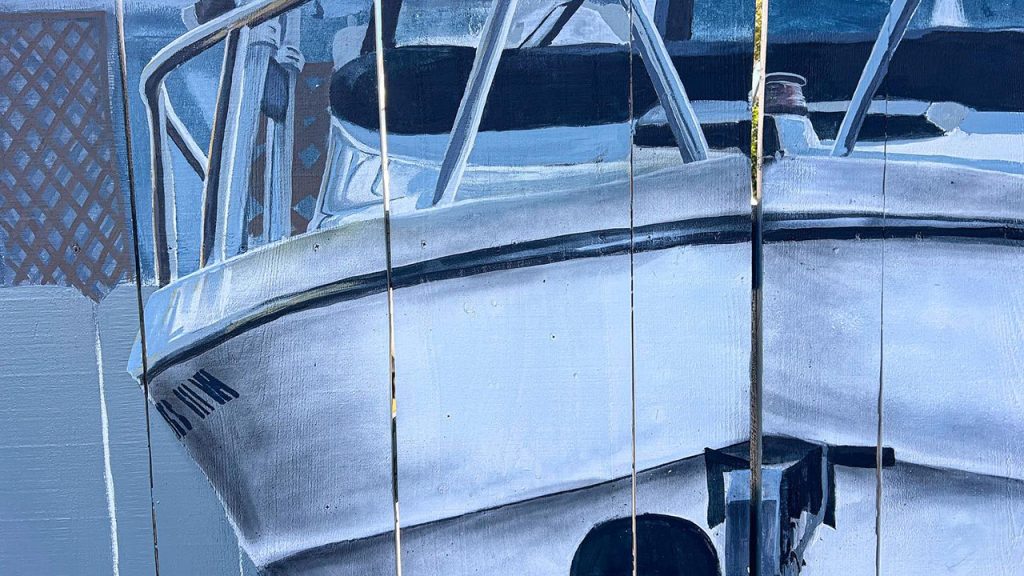
The finished work is a detailed optical illusion of the house, driveway and boat, designed to look so real that it can stop people in their tracks. “A painting of a boat in a driveway next to a house on a fence in front of a boat in a driveway next to a house,” is what Mr Wondir titles the artwork. He shared a time-lapse showing the mural taking “a few days” to complete, and said it has fooled plenty of passers-by, including one who admitted they “thought it was a plastic see-through fence at first.” Mr Wondir said the project became a family affair too: “This was a fun one, even got my boy to help out,” he added.
Even the authorities reportedly appreciated the humour once the mural went viral and appeared on national television, with a council staffer visiting to take photos and congratulate the homeowner. “The neighbourhood is smiling,” Mr Wondir said.
The mural’s popularity comes as tensions rise in some areas over boats and trailers taking up space for long periods in suburban streets. On the Sunshine Coast, council has received a petition calling for enforcement of existing regulations to crack down on what residents describe as “unofficial camping” of possessions on local roads. While the petition did not spell out where owners should park instead, it was tabled and a related motion passed, leaving the council CEO to determine what action should be taken in response to the concerns raised.
Some councils have tried to reduce conflict by offering alternatives. Noosa Shire, for example, provides trailer parking spaces for boat owners near the water and notes that “whilst parking a registered boat trailer on local streets is lawful, long-term parking on busy roads is discouraged”.
In Mr Wondir’s neighbour’s case, the dispute was not about a boat left on the street at all. The fishing boat was parked on the owner’s own driveway beside his house, but it was still deemed a problem for “visual amenity”, prompting the demand for screening. Elsewhere, frustrations can be far more heated. On the Gold Coast, complaints have circulated online, including one resident’s account of neighbours placing cones on the road “so their nearly 60yo son can always park his boat and trailer on the street”. She said that when workers parked there, he “lost his sh*t so much over ‘his spot’ on the street being taken, he actually nudged the worker with the bullbar on his car as the worker walked across the street to the house being renovated. Nearly turned into fisty cuffs. Best thing it was all caught on the renovated house’s camera.”
Rules over where boats can be kept vary sharply between states and councils. Some areas allow indefinite street parking if boats are registered and under 7.5 metres, while others require movement every 24 hours or prohibit street parking altogether. In NSW, registered trailers parked on the street must be moved every 28 days, or every 15 days if unregistered. Victoria, the ACT, Queensland and Tasmania generally allow indefinite parking if the boat is under 7.5 metres and registered, but apply a one-hour limit if it is larger. WA and SA are often stricter, with many councils requiring boats to be hitched to a vehicle and moved every 24 hours, or not permitting residential parking at all. In the NT, rules are typically set by individual councils using Australian road rules as a guide.
The consistent advice is to check directly with your local council, because whether your boat is in the street, on the verge, or even sitting in your own driveway, the rules and the consequences can be very different depending on where you live.