In a landmark decision, the Administrative Review Tribunal of Australia has set aside a previous ruling by Australia’s Privacy Commissioner, Carly Kind, effectively endorsing Bunnings’ use of AI-driven facial recognition technology to monitor customers.
The decision extends beyond a single retailer, setting a precedent that could influence how major chains such as Woolworths, Coles, JB Hi-Fi and Harvey Norman approach the deployment of similar technologies in their stores.
The Tribunal accepted Bunnings’ argument that its 2018–2021 trial was a necessary response to protect staff and inventory amid rising incidents of crime and abuse, acknowledging what it described as a “very real and serious problem” of violence and theft.
The Privacy Commissioner had previously determined that Bunnings breached privacy laws by scanning customers without explicit consent.
With that finding now overturned, retailers have greater legal clarity around the use of advanced surveillance systems capable of tracking activity in real time.
The implications for commercial property owners and retail tenants are significant.
The ruling signals that AI-driven surveillance may become an accepted component of retail infrastructure, prompting businesses to reassess security strategies, building specifications and lease agreements to accommodate camera coverage, data analytics integration and compliance requirements.
Retail analysts suggest that, over time, demonstrable reductions in incidents and improved asset protection could influence property valuations and investment decisions.
Industry experts say the technology is likely to become more widespread.
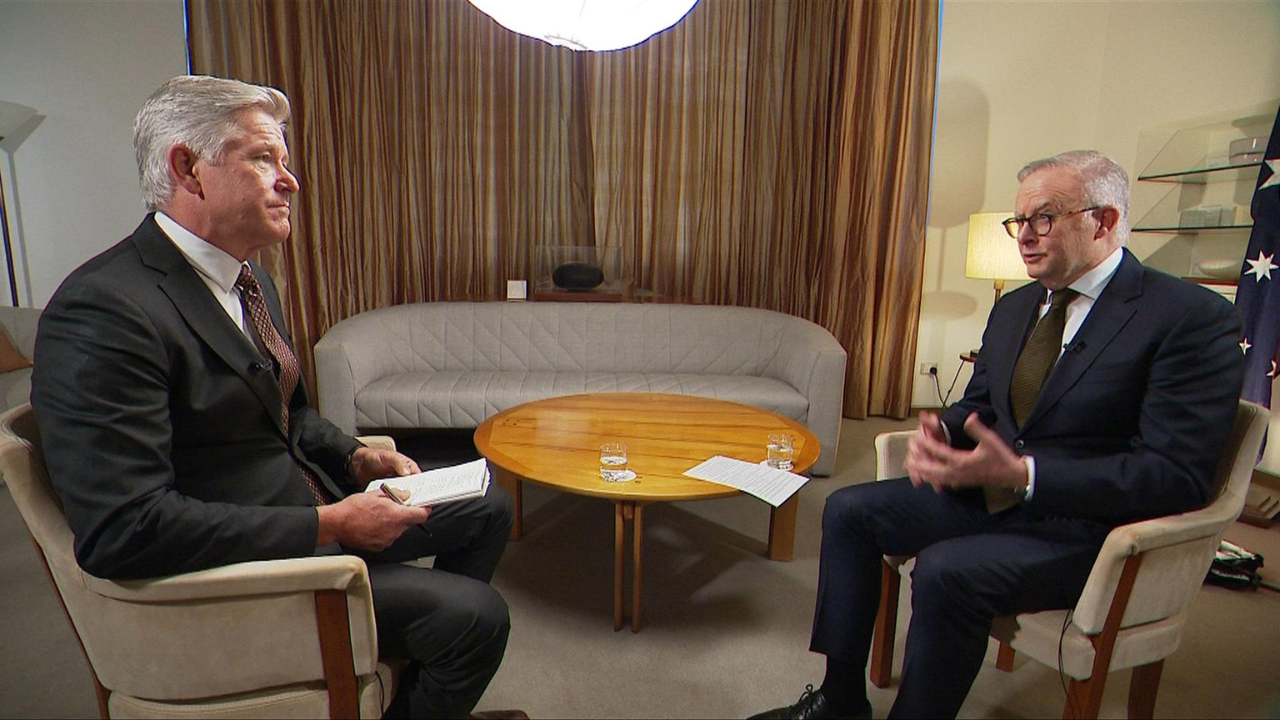
“This type of technology will become commonplace,” Professor Gary Mortimer, a retail and consumer behaviour expert at Queensland University of Technology told the ABC.
“It also has broader impacts outside of just retail. I think about government workers in service positions that encounter aggressive behaviour all the time. I think about a tram, train and bus drivers that encounter abuse.”
Professor Mortimer predicts AI systems will increasingly identify behaviours such as loitering and concealment automatically, reducing the need for continuous human monitoring and enabling earlier intervention.
Bunnings’ system, developed by Japanese firm Hitachi, relied on an “enrolment database” of individuals suspected of criminal conduct.
While privacy advocates – including consumer group CHOICE and the Office of the Australian Information Commissioner – raised concerns about the risks associated with biometric data collection, the Tribunal found Bunnings’ approach limited privacy intrusion by deleting data for non-matches promptly and restricting exposure to potential cyber-attacks.
The ruling also emphasised conditions around transparency.
It showed the need for clearer signage and improved customer information, placing responsibility on retailers and property managers to ensure shoppers are adequately informed about surveillance practices.
As a result, prominent, plain-English notices at store entrances are expected to become standard in monitored retail environments.
Shopping centres that have trialled comparable technologies may also expand their use, integrating AI systems across multiple tenancies to strengthen coordination and incident response.
The decision highlights the growing role of artificial intelligence in retail security.
However, it also reinforces the importance of balancing expanded deployment with robust privacy safeguards and transparent communication for the Australians entering these spaces.
Images: Shutterstock