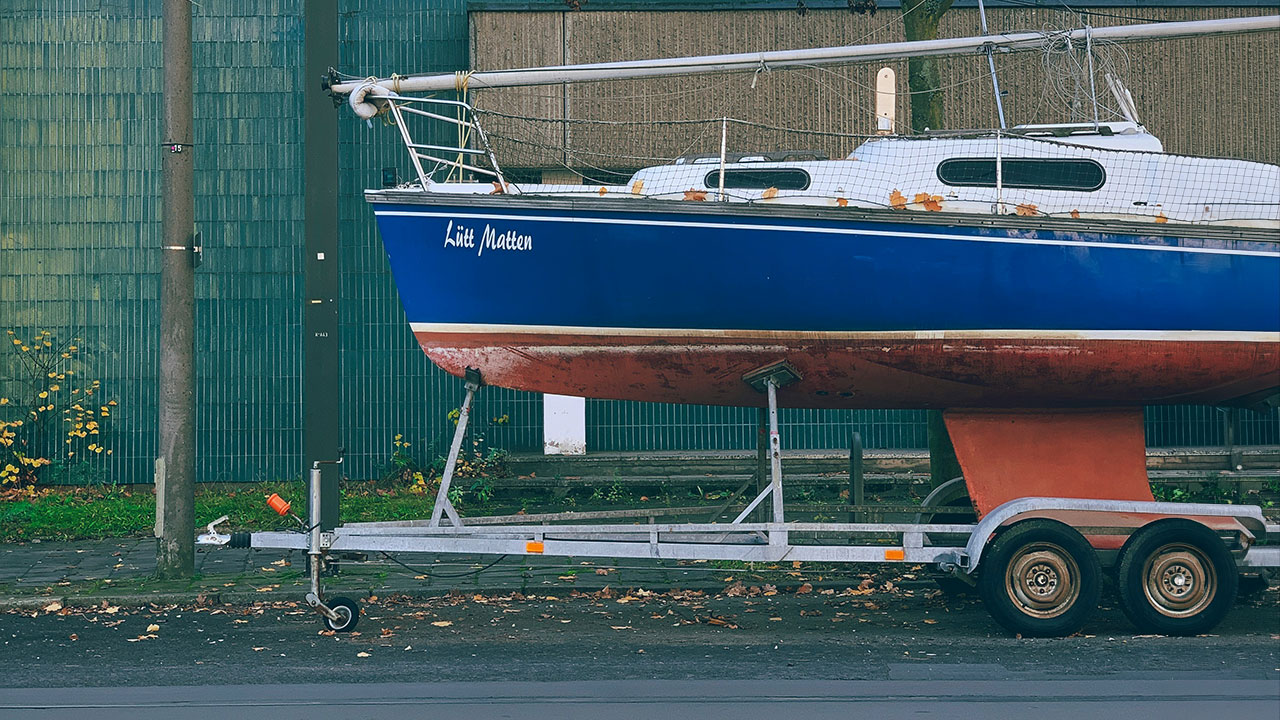
Councils across Australia are stepping up action against trailers, caravans and boats left on suburban streets, with some households now facing tougher fines as local authorities move away from education campaigns and toward enforcement.
The issue is gaining broader attention because rules differ between states and territories, while tighter suburban streets and growing congestion are making kerbside storage more contentious.
In far north Queensland, Douglas Shire residents can now be issued with fines of $333 if a boat trailer or caravan is left on a council road or area without being connected to a tow vehicle.
Douglas Shire Council says restrictions on long term roadside storage are not new, but an increase in unhitched equipment, especially in Port Douglas, has prompted a stronger response based on risk.
“It’s not one incident – it’s a pattern that has built up over time, particularly in Port Douglas,” Douglas Shire Mayor Lisa Scomazzon told Yahoo News.
“It’s not just complaints from residents, businesses and tour operators, but the issue is about lost parking and neighbourhood impact.”
She said enforcement has also been driven by safety concerns, including poorer visibility for both pedestrians and motorists, as well as difficulties for rubbish trucks trying to reach bins.
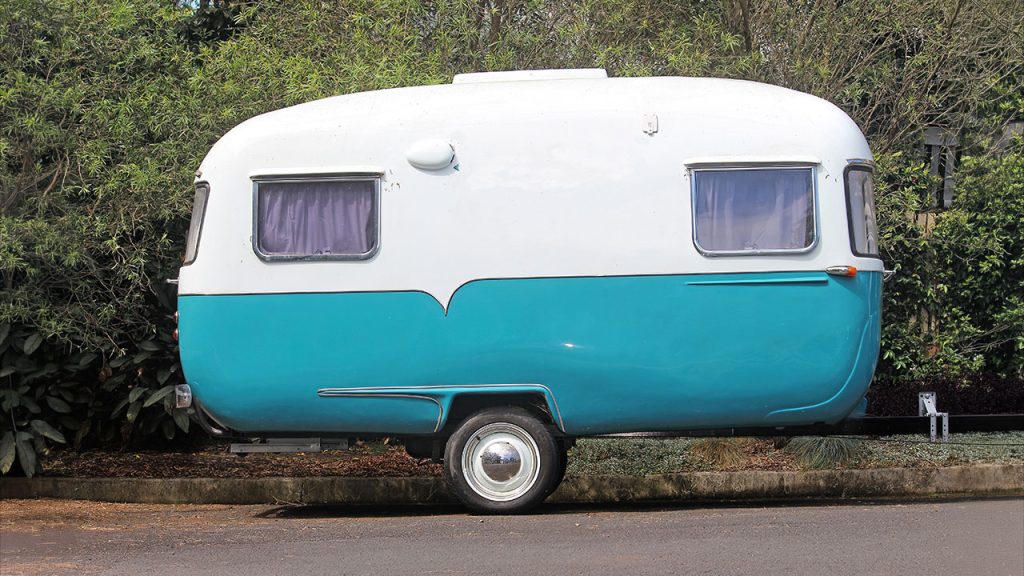
Not everyone agrees with the approach. One resident, who says they have been fined three times, argues councils do not have the power to override Queensland road rules without specific signage. They also maintain that registered trailers and smaller caravans under 4.5 tonnes and 7.5 metres can legally stay on residential streets as long as they do not block traffic.
“I find it ridiculous and bordering on the verge of bullying by council to target ratepayers who are rightfully allowed to park smaller trailers outside their property,” they said.
The council rejects that claim, saying its enforcement is consistent with state road rules and that decisions are based on safety and access issues, not location.
Similar disputes are playing out in other parts of the country.
In South Australia, Adelaide’s largest council, Onkaparinga, says it received 730 reports of abandoned vehicles over the past year. However, it can only intervene in certain cases, such as when a vehicle is unregistered, clearly abandoned or creating a safety risk.
Its mayor is among South Australian leaders pushing for legal changes that would give councils greater authority to fine and remove vehicles left on public roads for long periods. They have pointed to New South Wales as a model, where councils can direct owners to move vehicles and issue fines if they fail to do so within set time frames after notice has been given.
Burnside Council has also raised concerns after receiving 297 complaints about dumped cars in the past year. Earlier this year, it sent a similar letter to former Local Government Minister Joe Szakacs.
As Queensland residents continue to test the boundaries of state road rules and South Australian councils call for powers similar to those in New South Wales, pressure is building for a clearer national approach to long term street storage and when fines should be issued.