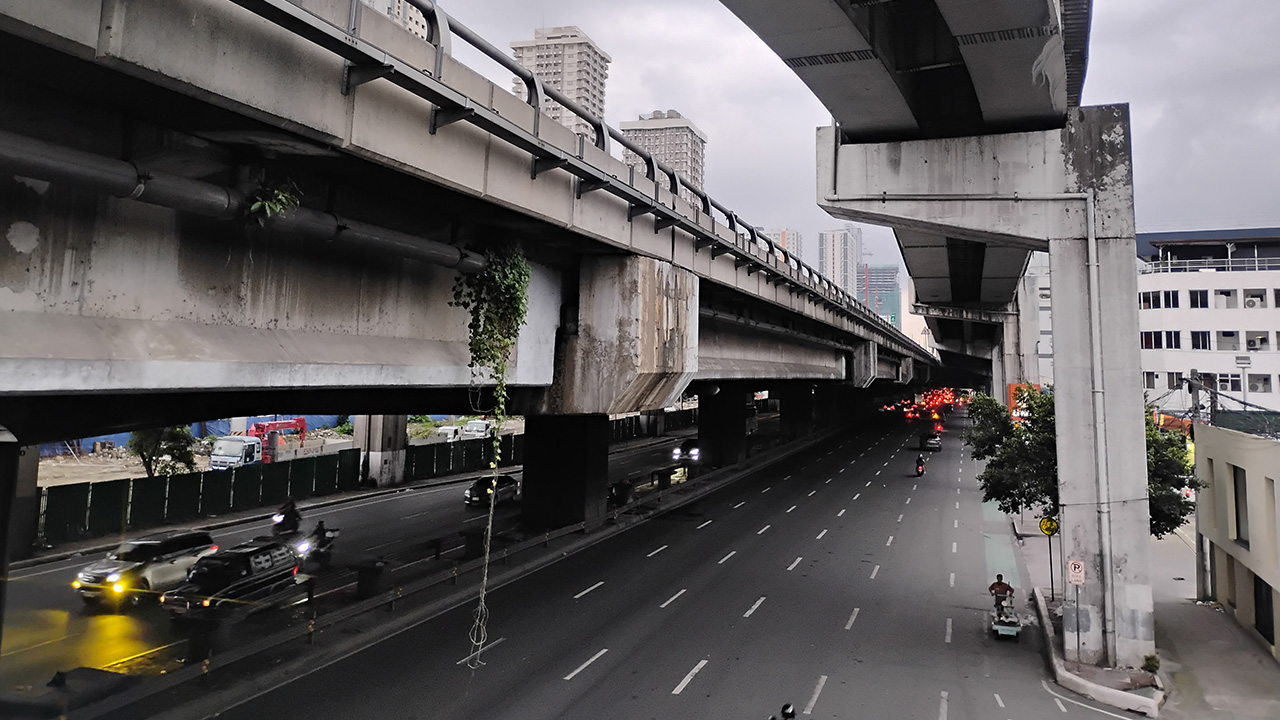
Toll roads continue to place financial pressure on drivers in Australia’s major east coast cities, according to new data from insurance comparison site iSelect.
Melbourne’s CityLink has again been named the most expensive toll road in the country, costing $12.25 for a single trip along the 22-kilometre road.
The data does not include Melbourne’s new West Gate Tunnel, which opened on Sunday. Drivers using the tunnel between 7:00am and 9:00am on weekdays will pay $10.63, made up of a $4.09 base fee and a $6.54 peak-hour charge.
While Melbourne has the highest individual toll, New South Wales has the largest share of tolled roads. About 37.5 per cent, or 120 kilometres, of the state’s motorway network requires toll payments.
NSW also has eight of the 10 most expensive toll roads in Australia, with the WestConnex M4 coming in close second at $10.38 per trip.
The WestConnex M4 Motorway has recorded the fastest year-on-year toll rise in Australia. In 2017, a trip on the M4 cost $4.56. It has since increased by 127 per cent to $10.38.
Toll operator Transurban owns and runs 11 toll roads in Sydney and controls nine of the 10 most expensive toll roads nationwide, with Sydney’s toll roads generating $149 million in revenue last year.
“Around 77 per cent of our customers spend less than $10 a week on tolls,” a Transurban spokesperson told Drive.
In New South Wales, the Government has confirmed the $60 weekly toll cap will be made permanent after a trial that began in January 2024. Drivers will pay no more than $60 a week, with an annual cap of $5,000.
The NSW Government says more than $211.4 million has been returned to drivers since the cap was introduced.
The government is also negotiating to remove administration fees on toll notices from mid-2026. In the 2024–25 financial year, 46 million toll notices were issued, generating $618 million in administration fees.
Minister for Customer Service and Digital Government Jihad Dib said the permanent cap would help those most affected by toll costs.
“Making the $60 toll cap permanent provides certainty and fairness to those who rely on toll roads for travel,” he said.
Transport experts say high toll prices are driven by long-term contracts and automatic price increases.
Professor David Hensher said prices were locked in under public-private agreements.
“There’s never a general discussion [about toll prices] because it’s all based on fixed prices and indexation,” he said.
Professor Hensher said toll prices were unlikely to fall under the current system, saying that “It’ll continue to rise because … they have their 20, 30-year-long concessions”.
Image: Shutterstock