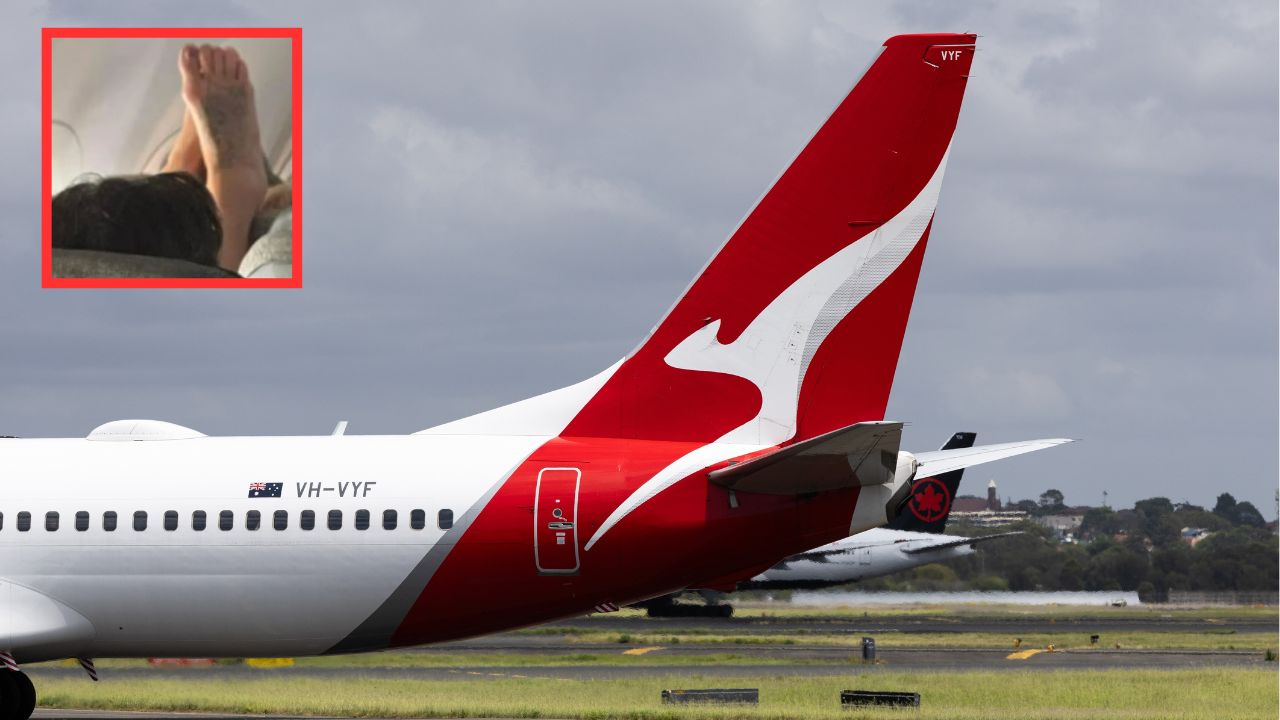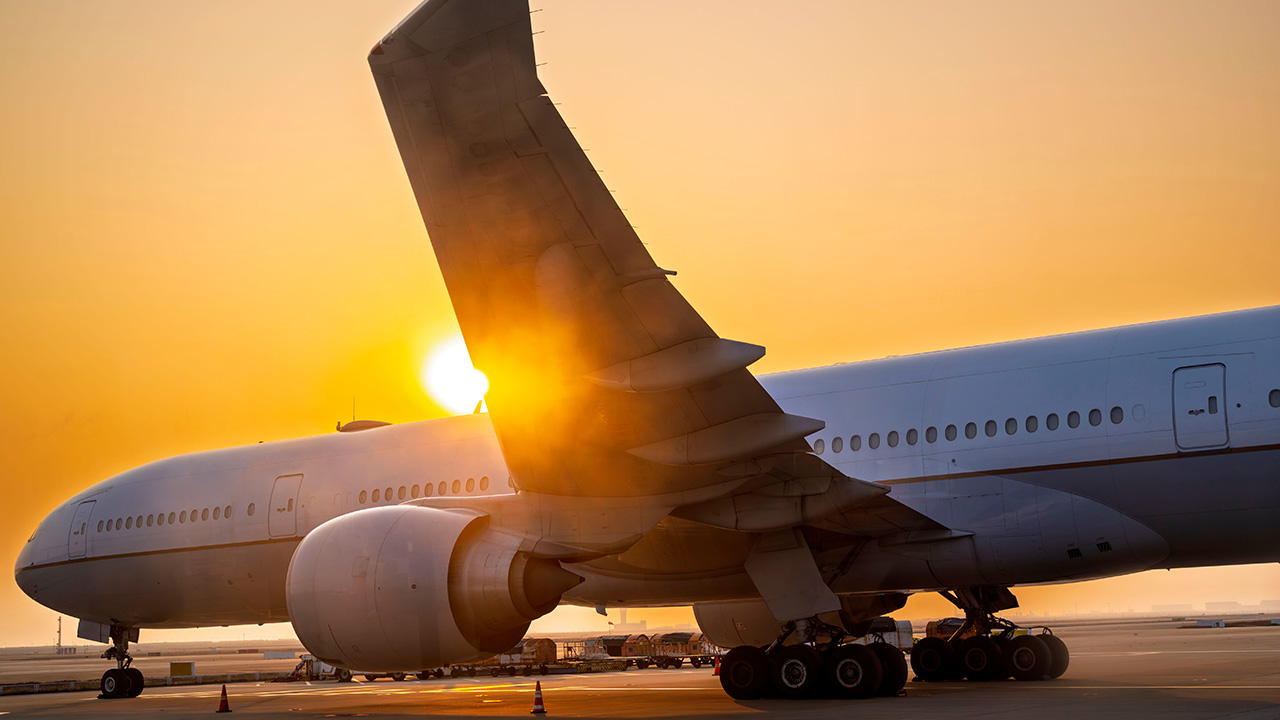
Australians planning to fly to Europe may need to rethink parts of their journey as the escalating Middle East conflict disrupts key aviation hubs and the air routes many local carriers rely on.
Professor Ron Bartsch, chairman of Avlaw Consulting and former head of safety and regulation at Qantas, says Australians are especially exposed because Europe-bound flights from Australia have increasingly been structured around Middle Eastern hubs. “Out of all the peripheral countries that have been affected by this, Australian travellers have probably been more affected because, particularly in the last two decades, Australia has used the Middle East as its primary way of reaching Europe,” he said.
Bartsch explained that while airlines can sometimes work around restricted airspace, the real challenge comes when hub airports are affected. “If it was purely just the airspace being restricted, then airlines can reroute their flights and divert from those areas as they have done with Ukraine air space for the length of the war, but situations where hubs are involved can cause real problems, because aircraft primarily from Australia haven’t got the ability to fly directly from Australia to Europe.”
As airlines adjust, he expects changes to the most common routing options. “What’s going to happen now is that obviously Qantas and Virgin’s sharing arrangements will try to deviate more towards other alternate routes through Bangkok, Singapore, Hong Kong and the Philippines in order to reach Europe,” he said.
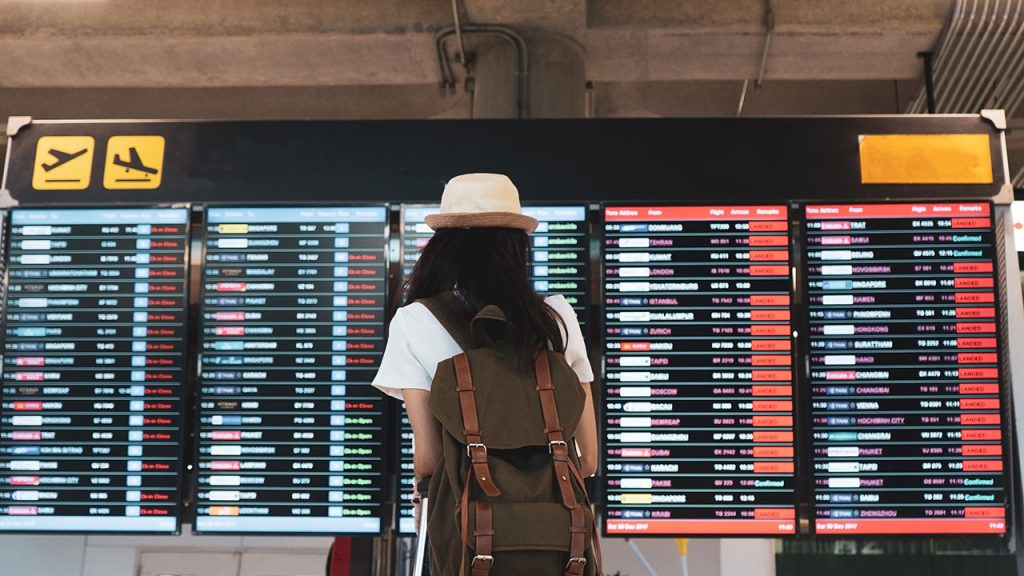
He also warned travellers to brace for sustained price pressure on airfares. “The longer this military operation goes on means airfares will increase accordingly. The cost of aviation fuel is going to increase and also because the number of flights will be restricted through supply and demand … that’s going to have a knock-on effect to Australian travellers for at least the next four to five months I’d say,” he said.
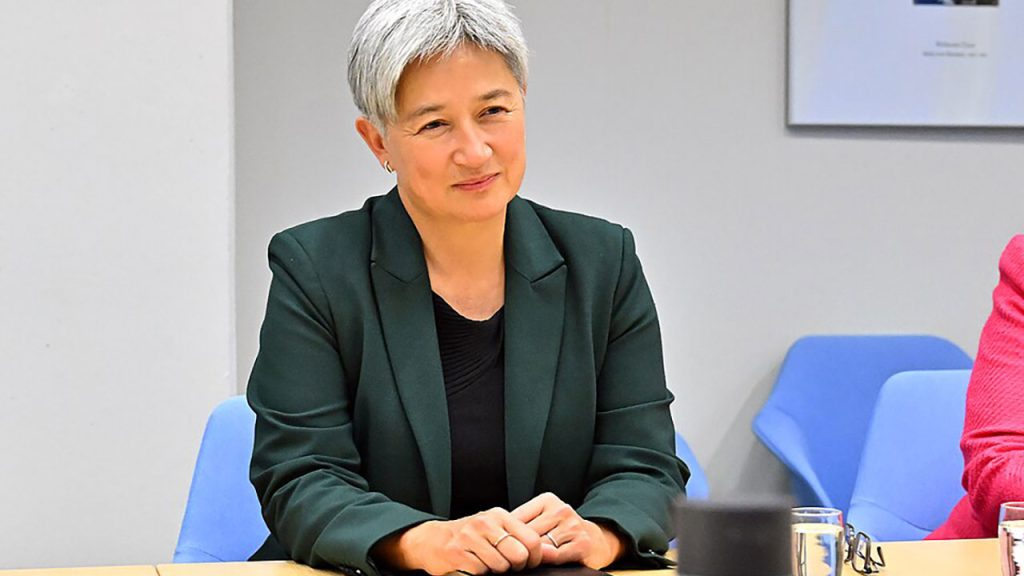
The federal government says it will continue updating travel advice as events unfold. Foreign Affairs Minister Penny Wong said the situation had shifted faster than expected. “The conflict has spread much more quickly and much more widely than we anticipated,” she told Sunrise. “I think most governments anticipated that no one would have anticipated that in the first 72 hours Iran would strike nine countries.”
Wong said the impact on travel infrastructure had also taken governments by surprise. “No one would have anticipated that Iran would have responded in the way it has, which it has not done before, which is to attack travel hubs such as the United Arab Emirates,” she said. Her message to travellers was clear: “People do need to think very carefully about their travel plans and continue to look at the advice that we provide.”
Even with the uncertainty, travellers who already have European holidays booked—particularly those transiting through the Middle East—are being advised not to cancel pre-emptively. Australian Travel Industry Association chief executive Dean Long warned that cancelling first can mean losing protections. “You will lose the consumer rights that you have available to you, such as a full refund,” he said.
Instead, Long urged travellers to wait for their airline to make contact and to check options carefully before taking any action. “You’ll have to check individually with those airlines where you can get a full refund or a change to the end of March for no fee, but people should go to the relevant airline app or the travel agency app to look at those options before doing anything,” he said. “You will be out of pocket if you do it the wrong way.”
Meanwhile, flights have begun moving again, with the first Dubai-to-Sydney service since the conflict erupted landing safely in Australia overnight. More flights to return stranded Australians are scheduled to depart the UAE, but Wong cautioned there are no guarantees. “I just want to emphasise they are always possible to cancellation at the last minute,” she said, adding the government is working on further contingency plans.