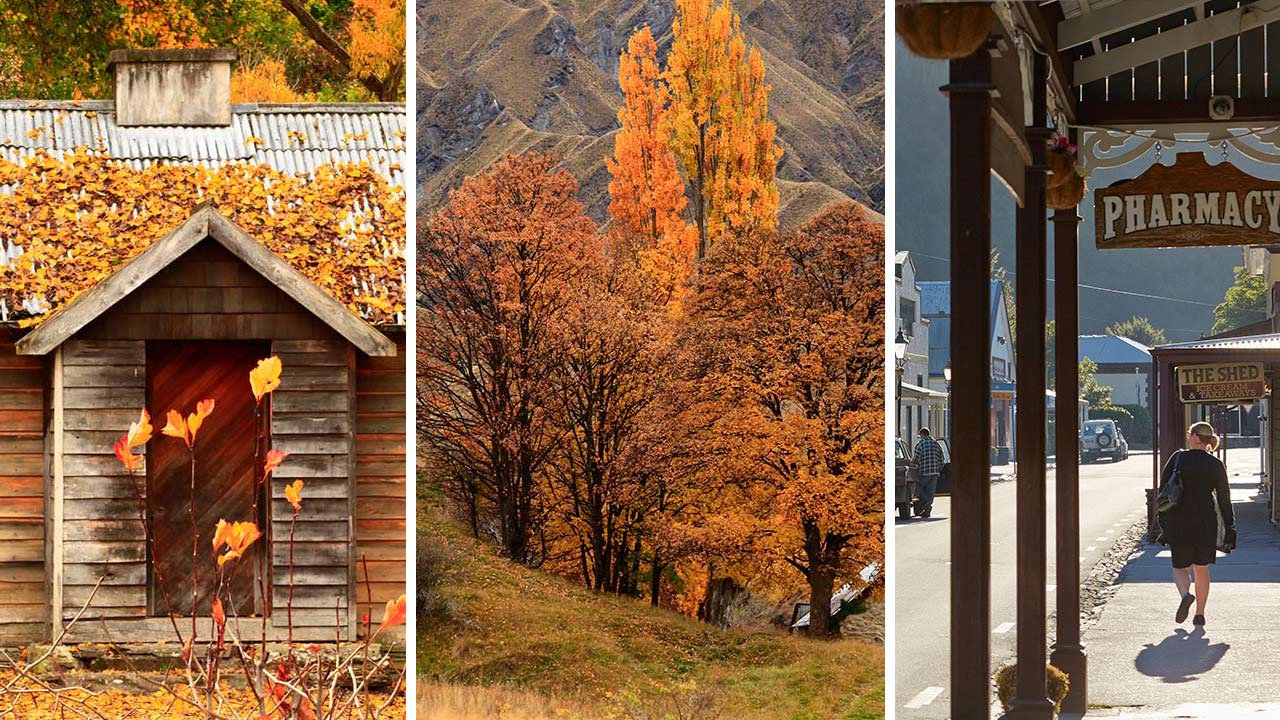
“You love that place so much, why don’t you write about it?” asked my friend Mary.
I thought about her suggestion and wondered why it made me feel so anxious.
I said to her, “You know, the more special a place is, the more deeply spiritual or significant it is, the harder it is for me to write about.”
“Why is that so?” she asked over a glass of Central Otago pinot noir one Friday night soon after I returned from my mother’s funeral.
“Well, I have to pick up every word and turn it over many times to examine whether it is worthy enough to carry the meaning of such a hallowed place.”
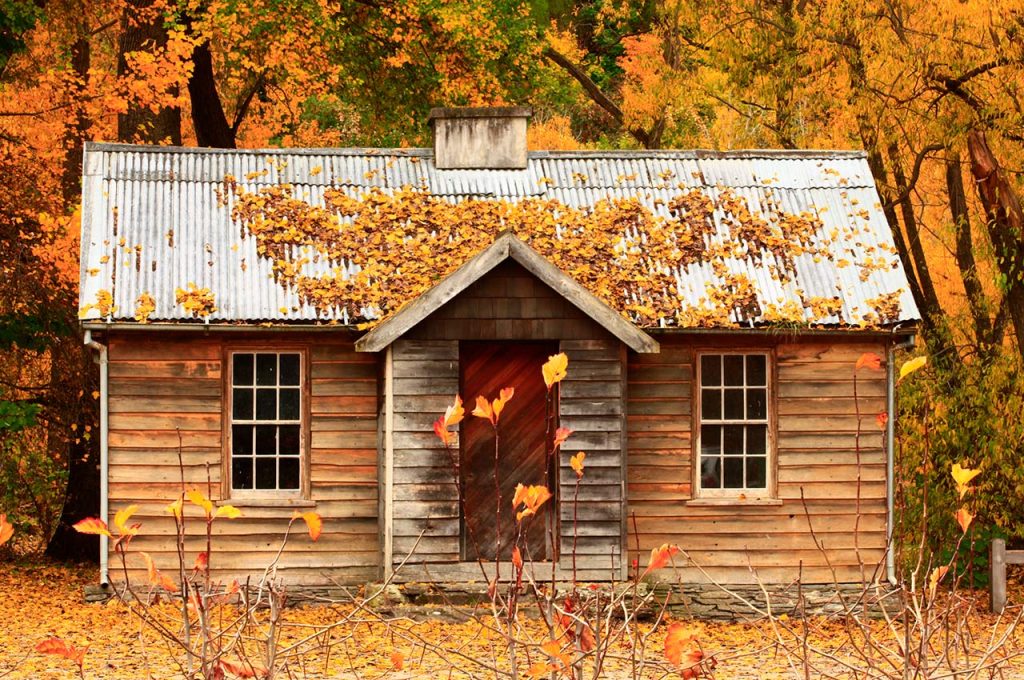
Arrowtown. I notice that even the intonation I use to pronounce the word is different from any other – softer, and heavily loaded with memories and emotions.
I would have to find a whole new vocabulary, another language, to explain how it felt to lay my mother to rest in the beautiful, historic cemetery, beside Dad who had been waiting more than three decades for his beloved to join him, how the mountains rejoiced at the songs we sang and the funny stories told about a feisty woman who would not let blindness, deafness and severe osteoporosis defeat her… until the last few years of her mid-90s when it just became too hard and she told God, impatiently, that her bags were packed and she was ready and waiting.
“What’s the hold-up?” she often asked God.
The Arrow valley sparkled in sunlight after heavy rain on the day of her funeral, and the spring colours were so dazzling and intense they made my eyes water.
“I’m not sure the words exist,” I said to Mary.
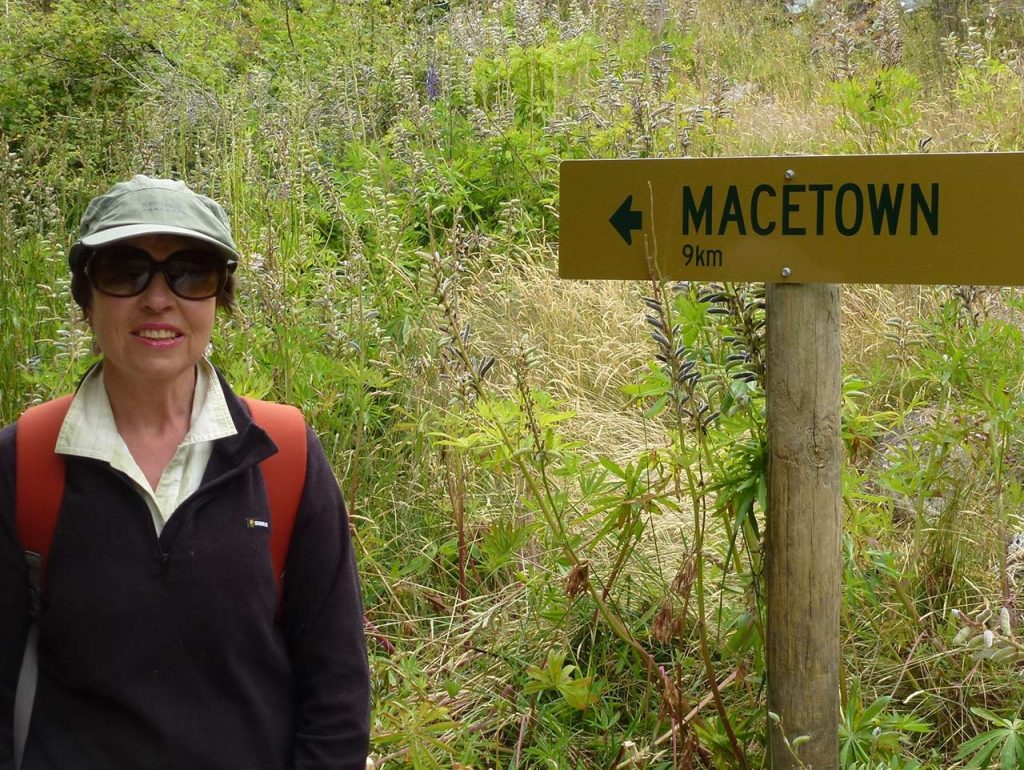
How could I possibly describe the softest pastel shades of the lupins that spring up every summer from the side of the dusty track to Macetown where we hiked as children? And the distinctive smell of cold river water on hot schist?
The shimmery silver powder of the silt on our feet and hands after a busy day building dams on Bush Creek, the little stream that grows deep in a rift in the mountains and trickles into the Arrow River in the shade of weeping willows.
The play of light and shade in the valley as the sun sets late and low, casting deep, dark shadows over golden tussocked ranges.
Long summer days where the dusk lingers and the evenings are so warm, we lay on our backs on the lawn waiting until the Southern Cross appeared.
Freshly-picked tart gooseberries still warm from the sun, homemade muesli in the big red Hacks tin, the smell of fresh bread in the oven, Mum at the kitchen table with a cup of coffee and her much-loved Bible, always keen to share some wisdom with me.
I didn’t pay enough attention at the time, too busy with my carefree young life.
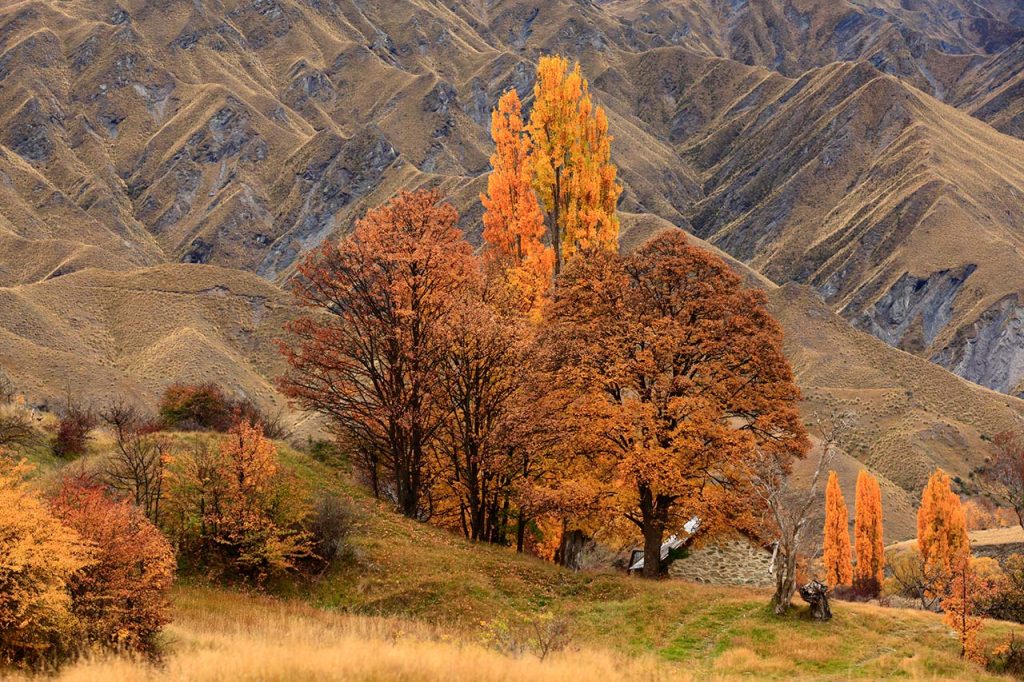
The hills and valley on fire in autumn, in a blaze of gold, crimson, vermillion, ochre. Piles of leaves so deep we could bury ourselves in them.
The nuances of an Arrowtown winter, the tugs in the sound of the rain just before the clatter on the roof turns to silent snowflakes. The wonder of waking up to find a green landscape transformed to pure white. The sound of a fingernail scraping the frost from my bedroom window, the layer of ice in the outside toilet. The chatter of ice skates at the rink by the river.
Skiing along snowy roads with my sister behind Dad’s white VW, a tow rope out each window. Mum in the kitchen, stoking the pot belly stove so hot one frigid winter day she set fire to the wall behind it, much to the excitement of the volunteer fire brigade. Chipping carrots out of the frozen garden with an axe; nature’s deep freeze, Mum called it.
The landscape glistening like diamonds after a hoar frost, sheep clothed in silver, tussock frozen stiff, spiderwebs transformed into filigree artworks, air so cold it bites your lungs.
The words solemnly line up for my consideration.
“Pick me, pick me,” they seem to say.
I critically examine and interrogate them.
“Can you impart more than the superficial meaning of those letters of yours, arranged so neatly in a row?” I ask each word.
Words are too uni-dimensional, so plain compared to the multi-layered memories in my head or heart… or wherever memories reside.
Where is the magic, the resonance?
“No, I can’t write about it just yet Mary. The right words aren’t there. I think I’ll leave it for now.”
The floor is littered with discarded candidates, words unworthy of this special place.
Over a decade has passed since then. I live in the North Island now but Arrowtown is still my ‘turangawaewae’, my spiritual home, where I spent all my childhood, teenage and university holidays. It’s a magnet drawing me back year after year.
I was there just the other day, chatting to my parents, as they lay peacefully side-by-side, comfortable and at ease in the landscape, with moss and wildflowers growing on their graves. They understand how I feel about Arrowtown, how it fills up the senses to overflowing.
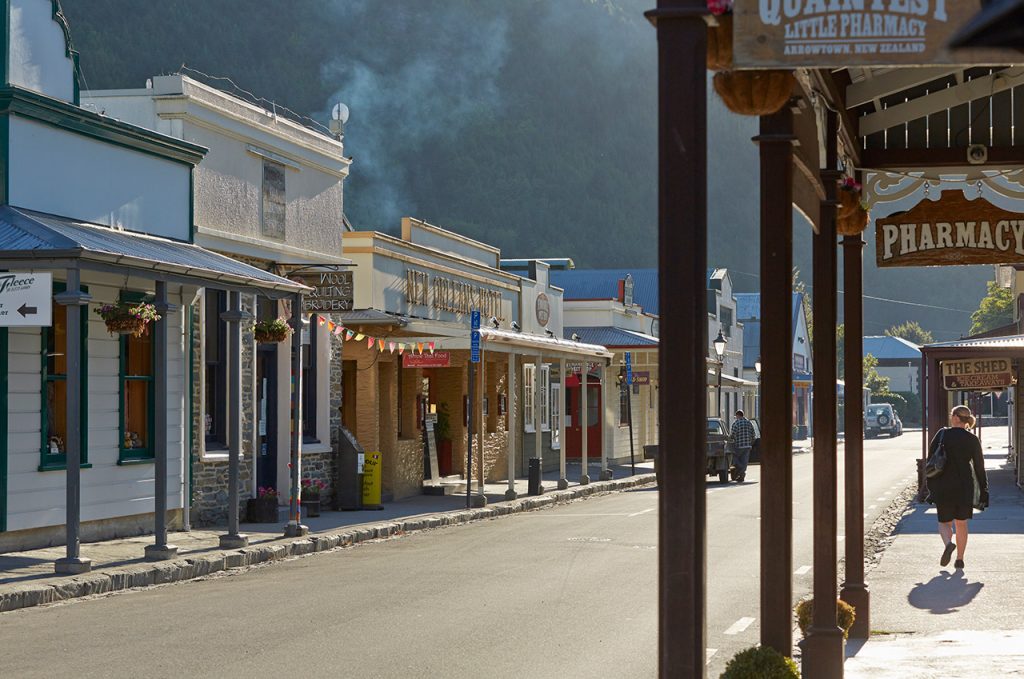
It’s a busy little village these days with thousands of overseas tourists milling around the smart souvenir shops and high-end cafes and restaurants that line the main street, but the magic is as powerful as ever.
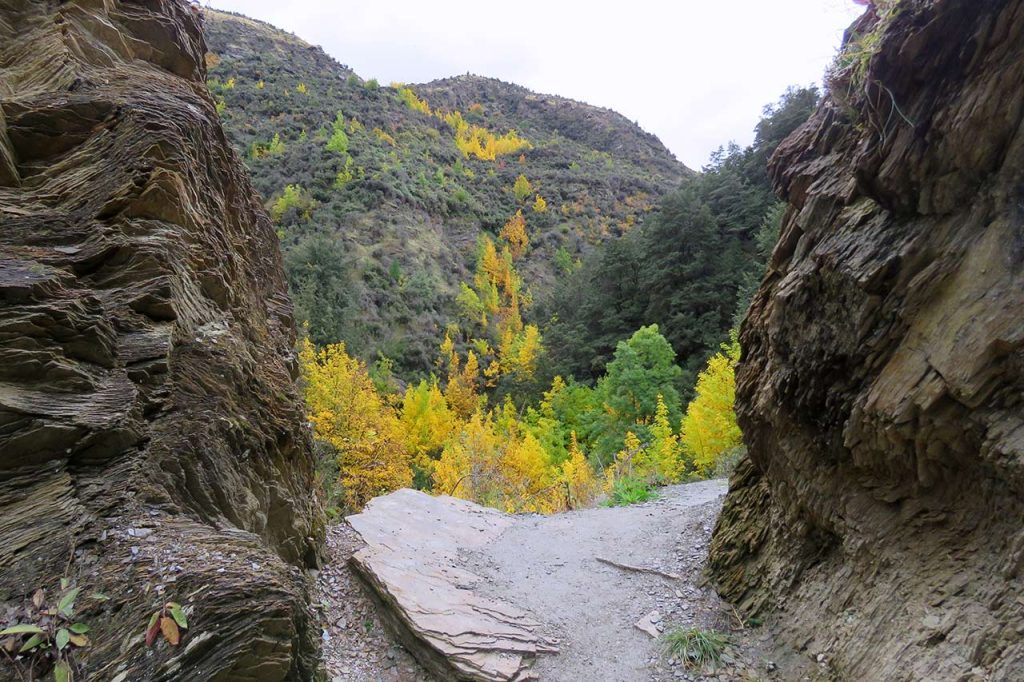
I walked up the Arrow River towards Macetown, following the irrigation pipeline as we did as kids. After a few minutes, I found myself alone. Tourists seldom venture far up the river. I breathed deep lungfuls of cool, sweet autumn air flavoured with dewdrops, leaf mould, moss, damp schist and the last of the lupins. My fingers traced the layers of quartz exposed on the cliff above the track. I fancied I could see gold dust on my skin. I could hear the voices of my parents and sisters calling to me as I daydreamed my way up the river. ‘Time to boil the billy,’ Mum announced, which was a signal to collect firewood for her tea-making ritual, a sacred tradition of our hikes up the Arrow.
I drank in the landscape, filling my senses, storing memories to revisit when I returned to my North Island home.
DID YOU KNOW?
Arrowtown is an historic gold mining village in the Central Otago region of the South Island of New Zealand. Located on the banks of the Arrow River 25 minutes from Queenstown, it’s now a thriving tourist mecca that welcomes thousands of people from around the globe.