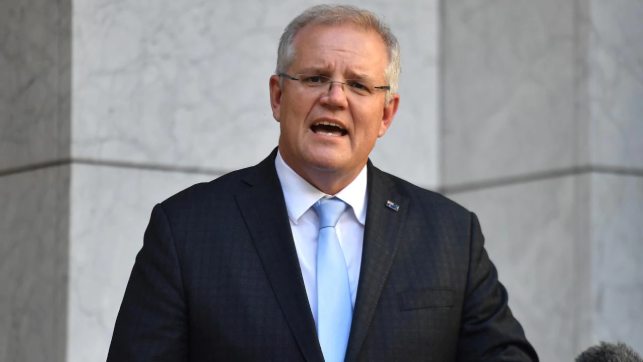
The National Cabinet has held a meeting and decided the temporary coronavirus measures placed on elective surgeries will be lifted after the Anzac Day long weekend, following long discussions on Tuesday.
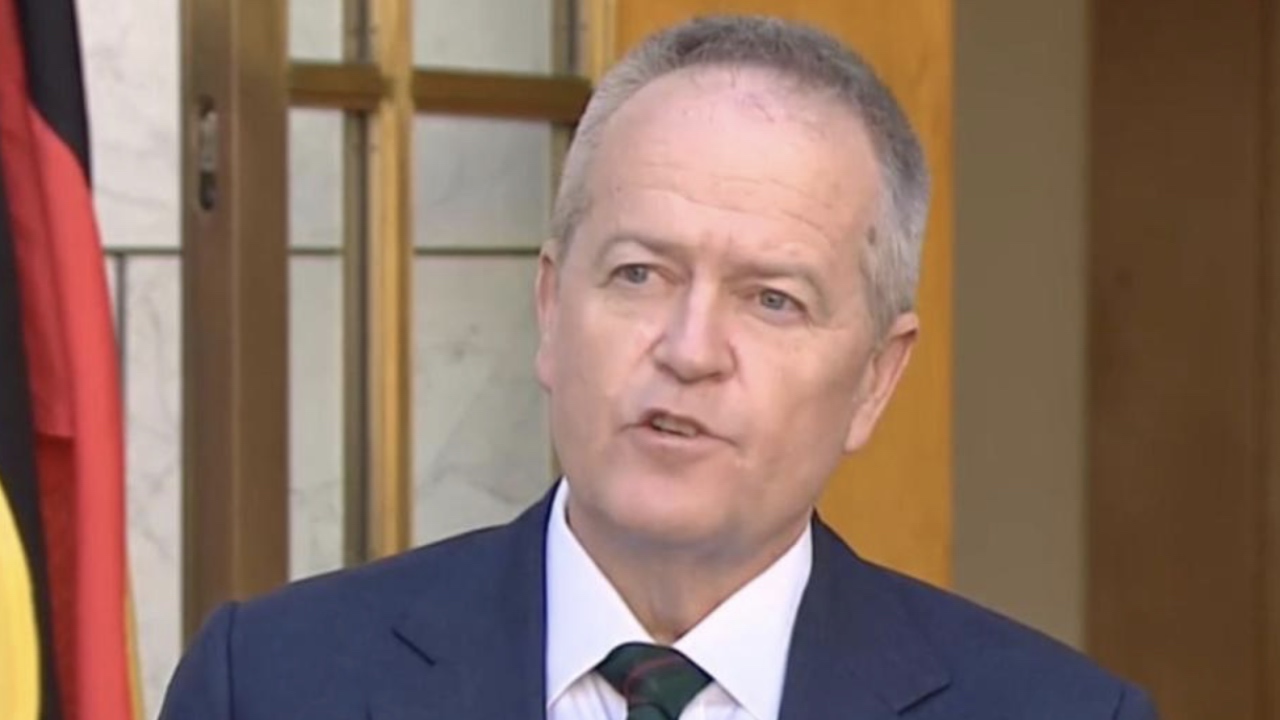
Procedures for children under 18 – as well as joint replacements and all cataract and eye procedures for all Australians – will resume after April 27, Prime Minister Scott Morrison said.
Basic dental procedures including fitting dentures, braces and drilling, IVF, and post-cancer surgery such as breast reconstruction, will also be able to go ahead as of Monday April 27.
Along with this, diagnostic screenings such as endoscopy and colonoscopy have been given the green light.
However Morrison affirms that elective surgeries occurring after May 11 will be re-examined, in accordance with the coalition’s four-week “road out” which was announced last week.
The PM says the government’s plan is “to save lives” and in order to do this, they must “stick to the plan.”
His speech comes while the coronavirus curve is flattening slowly and surely, as they are recording fewer than 2,500 active cases.
He says in accordance with their plan, they will be scaling up asymptomatic testing for COVID -19, more detailed tracing, and targeted response capability on the ground.
“Our plan is working. Our planning is – our plan is saving lives. And it is saving livelihoods. We need to stick to that plan,” he said.
The prime minister also went on to address aged care facilities and urged them to not continue keeping their elderly members who are unwell in perpetual isolation.
The PM says homes that have banned visitors from seeing their loved ones or patients had gone a step too far.
“This is important for the mental health and well-being of elderly residents in our community,” he said.
“The National Cabinet decision was to not shut people off or to lock them away in their rooms.
“That was never the recommendation nor the advice.”
Australia’s chief medical officer Brendan Murphy went on to say the PM’s statements obviously did not apply to anyone who did not feel well visiting the elderly.
“But it’s not reasonable or fair to people who may have been used to getting their family coming every day, who may even have dementia in some cases, to be denied access to their families,” he said.