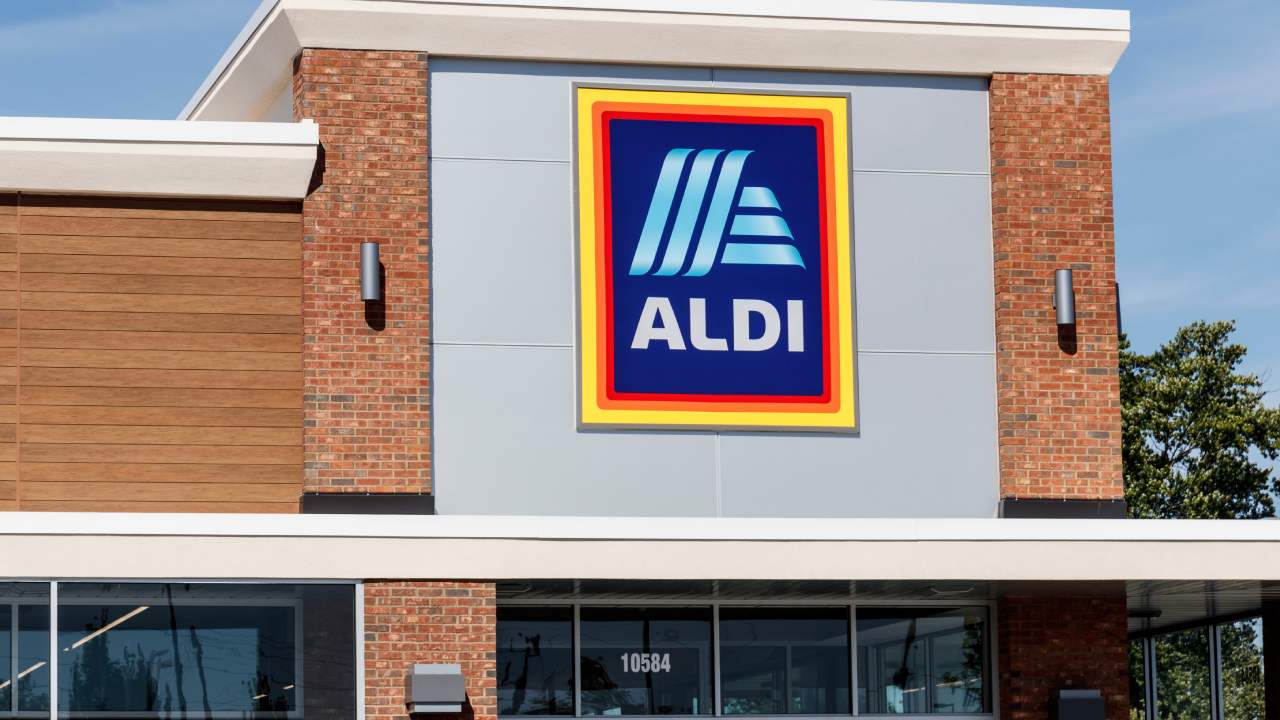
ALDI has attracted praise from Australian environmental organisations for its commitment to 100 per cent renewable energy.
It announced on Wednesday that it was committing for its Australian operations to be 100 per cent powered by renewable energy by 2021.
“ALDI is the 64th biggest user of electricity in Australia, powering 555 stores and eight distribution centres around the country,” Aldi said in a statement.
“The business’ shift to renewable energy sources should provide clear evidence to Australia’s top energy users that renewable alternatives are affordable when factored in to long term planning.”
The commitment comes after two ten-year deals with wind farms that will power all of the German supermarket’s NSW and Victorian stores.
ALDI Australia CEO Tom Daunt said that the supermarket wanted to build on its reputation for providing products at affordable prices.
“As we continue our journey in Australia, we want to reassure our shoppers that how we conduct business is equally important as the value we offer,” Daunt said.
Greenpeace has welcomed Aldi’s move and called on Aussie supermarket rivals Coles and Woolworths to match the commitment.
“Renewable energy is the cheapest form of energy and is bringing down power bills across the country,” said Greenpeace Australia’s Lindsay Soutar.
“In a sun-soaked country like Australia, it just makes so much sense to use [roof] space to generate clean and affordable power.”
“ALDI making this commitment demonstrates it’s both possible and desirable for our biggest supermarkets to run entirely on renewable energy and paves the way for Coles and Woolworths to do the same.”
ALDI has appeared to beat Coles to the punch, as Coles has installed solar panels for 68 supermarkets.
In August last year, Coles also signed an agreement to secure three new solar plants.
“Our ambition is to be Australia’s most sustainable supermarket and we’re always looking for opportunities to make a positive difference through our commitment to sustainable products, sustainable environmental practices and sustainable communities,” a Coles spokesperson told Yahoo Finance.
“We’re focused on managing waste (including food waste) and recycling, building more energy efficient stores and reducing greenhouse gas emissions. At the same time, we’re working to maintain food security and adapt to extreme weather events and the impacts of climate change.”
Not to be left behind, Woolworths has focused its efforts elsewhere and has installed LED lighting for energy efficiency.
“Further investments have included the installation of solar power systems across a range of trading stores,” its website states.
A spokesperson revealed to Yahoo Finance that the supermarket is committed to reducing energy use across the business.
“We’re continuing to install more efficient lighting and refrigeration systems, whilst also generating renewable energy for our stores through our new solar panel systems,” they said.
“We recognise there is more to do and continue to look for ways to reduce our environmental impact.”