Spending time at the beach or taking a walk in the park can help us recover from the mental and physical impacts of life’s stresses. But physical distancing measures to contain COVID-19 have included closing beaches, playgrounds and parks, adding to the challenges to our mental health. When we stay home to flatten the curve, how can we help ourselves by taking advantage of the benefits associated with nature?
The evidence for nature supporting human well-being has grown in recent decades. We researched the links between nature and urban residents’ well-being and found there are benefits of nature that we can still enjoy now, even in lockdown. Our findings point to some of the ways we can improve our well-being by engaging with everyday nature close to home.
1. A room with a view
We reviewed the evidence, collected survey data on self-reported well-being and biodiversity indicators, and organised focus groups in Sydney and Melbourne, Australia, and Auckland and Wellington, New Zealand, to better understand participants’ relationship with urban nature.
If you’re stuck at home, the good news is there is plenty of research that suggests a view through a window of vegetation or a body of water can provide a micro-break. A view of nature through a window has even aided hospital patients’ recovery from surgery. A short, 40-second glance at a green roof supports cognitive restoration better than a view of concrete.
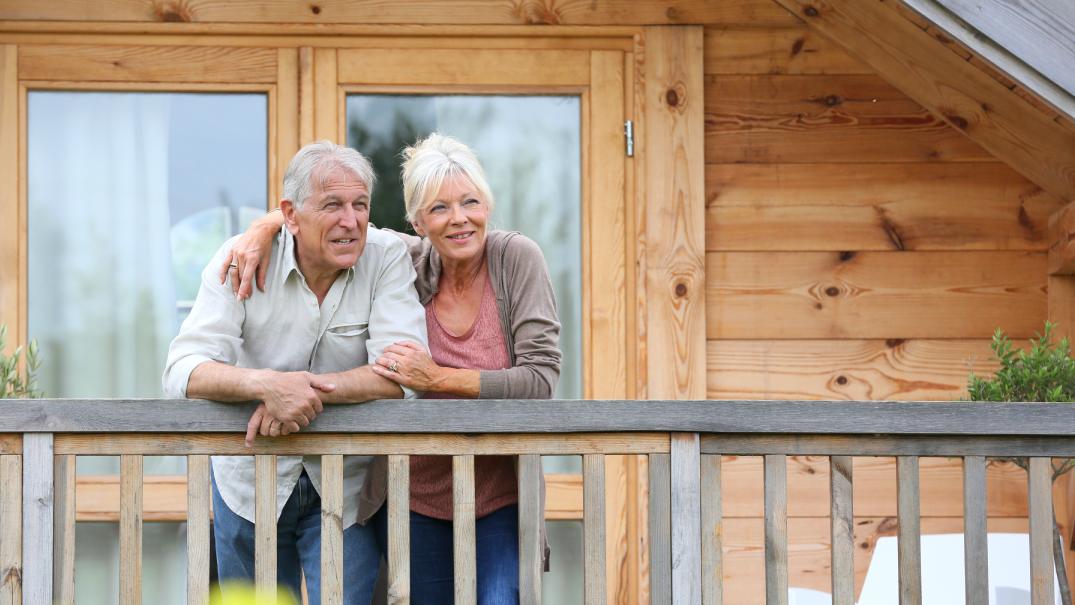
Our research found urban residents had greater self-reported well-being when they had nature nearby or visible from their homes. Participants valued a view of vegetated areas – green space – and bodies of water – blue space. One participant said:
I could live in something that was pretty grim if it had a balcony that looked out [at nature].
Participants in our focus groups also highlighted the importance of seeing changes in the natural world, such as change in the weather or the seasons. Even if your view does not have a lot of vegetation or water, a view of the sky can allow engagement with nature’s dynamism.
A view out a window at nature’s dynamism can improve our well-being. Lucy Taylor, Author provided
2. Gardening – indoors and out
If you’re lucky enough to have a yard or balcony, now may be a good time to do some gardening. Gardening can offer benefits such as reductions in stress, anxiety and depression. As a physical activity, gardening can also improve physical fitness and support weight loss.
Gardens can also provide habitat for wildlife, potentially introducing you to new plants, pollinating insects and birds. Urban biodiversity benefits us too.
Our study found strong links between gardening and self-reported well-being. If you don’t have a yard, gardening on a balcony or tending to indoor plants also has benefits. One participant explained:
Having a small vegetable garden and flowers in pots makes me feel happy and content … It is wonderful to see things grow in the city.
Gardening in a yard, on a balcony, or even tending indoor plants does us good. Peter Lead, Author provided
3. Green exercise
We know exercise is good for physical fitness and mental health. “Green exercise”, or exercise that takes place in and around nature, can improve your mood and self-esteem.
Our study found strong links between how often urban residents exercised and their self-reported well-being. One participant described how important green exercise is to them:
Being able to walk my dog down at the beach or go up into the hills is a great stress relief and keeps me fit and healthy and, best of all, it’s free.
Another participant described exercising in a public park:
I feel significantly calmer, [my] breathing rate goes down. I love the feel of that moist air going into my lungs from all the trees and I really do feel different.
To limit infection, residents of cities around the world are subject to a range of national and local constraints on when and how they leave the house to exercise. It is important to follow physical distancing guidelines, but it is also important to exercise rather than be both isolated and sedentary.
Urban nature now and for the future
Nature can support our well-being now, when we all could use the help, but we need to protect it. Climate change talks have been postponed because of the COVID-19 pandemic, but it is clear climate change has not stalled, even taking into account the effect of lockdown on emissions.
There are lasting ways to reduce our emissions and create low-carbon and cooler cities. And the earlier we act, the better the outcomes will be.
If you have a yard, planting trees might be a good lockdown activity now and will ultimately benefit your future.
Taking time to notice nature – via a glance outside, tending plants in pots or gardens, or via green exercise – will improve your well-being. Appreciating nature and having access to it has never been so important.
Written by Lucy Taylor, Dieter Hochuli and Erin Leckey. Republished with permission of The Conversation.