This article contains affiliate links. If you make a purchase through these links, OverSixty may earn a commission at no additional cost to you. Our recommendations are independently selected.
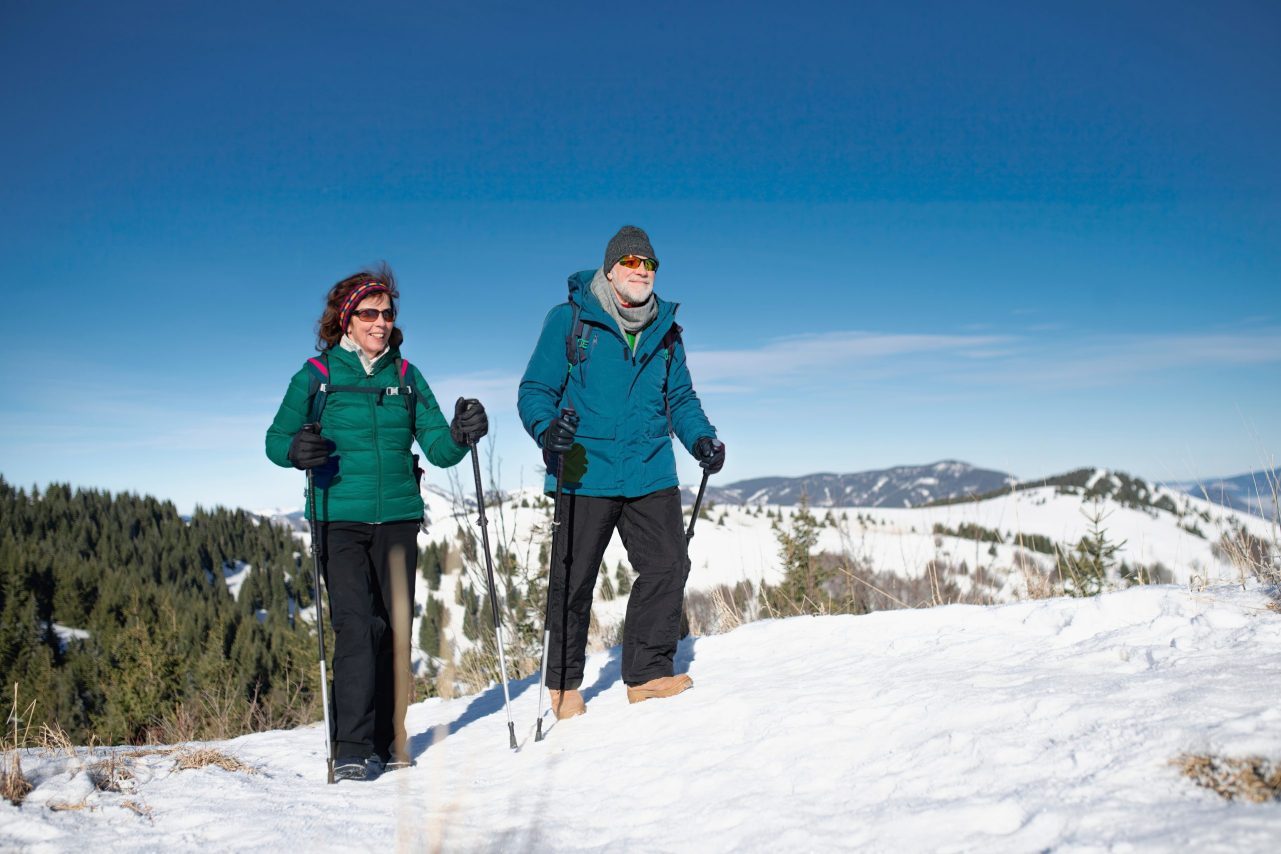
There is a particular hush that falls over Hakuba or Niseko in February – fresh powder squeaking underfoot, onsen steam curling into a grey sky, a beer that tastes better than it has any right to after a day on gentle groomed runs. Japan’s ski season has become one of the most loved winter escapes for Australian couples over 60, not because anyone is chasing black diamonds, but because the whole picture – the snow, the food, the hot baths, the trains that run to the minute – suits a slower, more comfortable kind of adventure.
Why the snow country slows everyone down
Getting there, though, is the part worth thinking through properly. A Sydney to Japan flight runs eight to ten hours each way, landing you in a cold climate at the tail end of a long stretch in a cabin seat. This is exactly the sort of sector where the gap between economy and business stops being about status and starts being about the next three days of the holiday.
The eight-hour question every couple asks
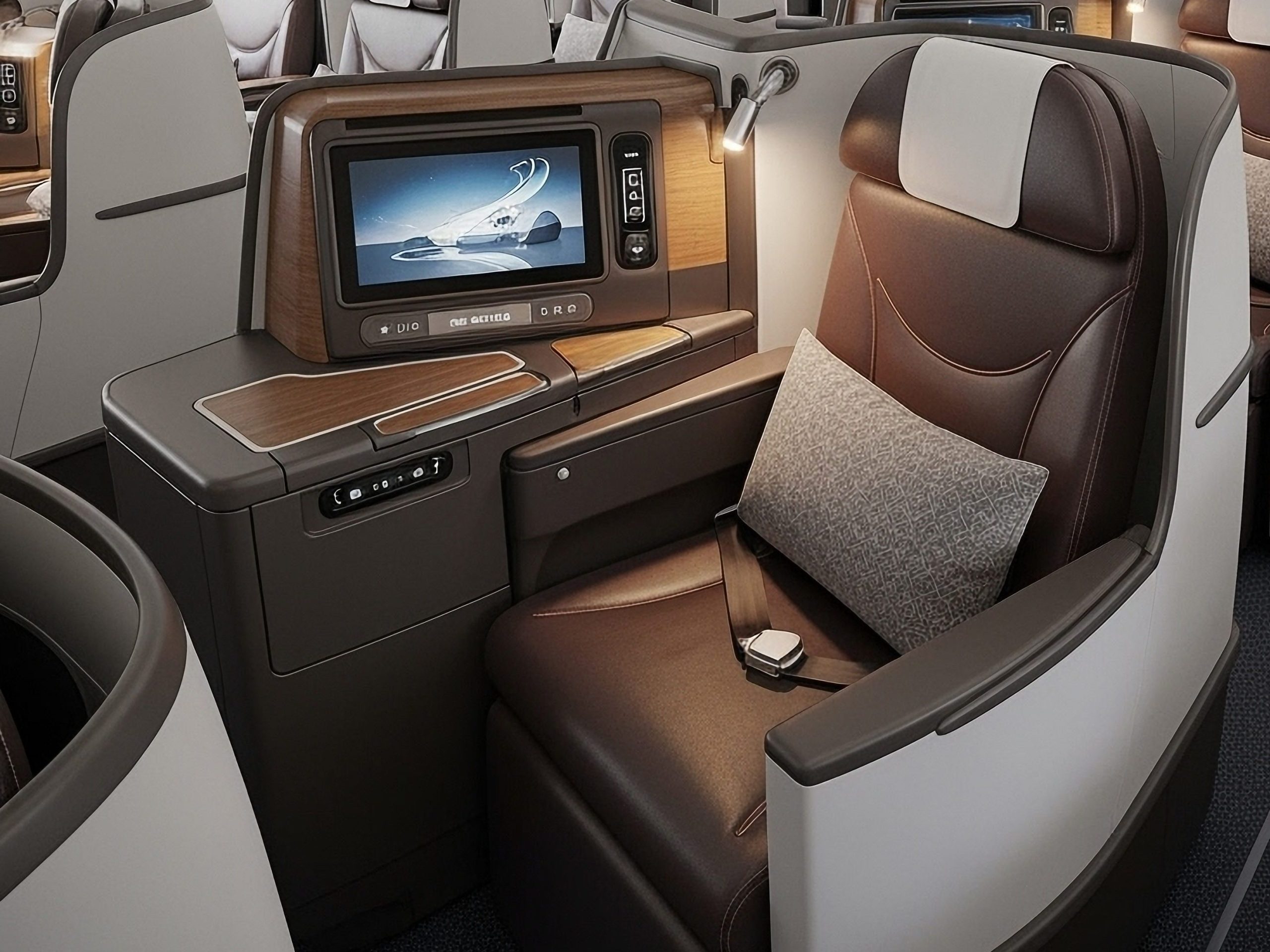
A lie-flat seat means arriving in Tokyo or Osaka having actually slept, rather than stepping off the plane stiff and out of sorts before a transfer to the mountains. The real question isn’t whether you can afford business class – it’s what a comfortable arrival is worth to the opening days of a ski trip you have been planning for a year.
What the flat bed actually buys
Business class on this route typically means a proper flat bed, real legroom, priority boarding that spares you the scrum at the gate, and lounge access before departure – a proper chair, a shower if the airport has one, food away from the crowd. On arrival, business passengers are usually first off the plane, first through immigration and first to the bags, which matters more than people expect when the next leg is a shinkansen connection or a transfer bus into the snow.
Economy still gets you to the mountain
Economy remains a perfectly sound way to reach the slopes, particularly for travellers who sleep well upright or who are happy to build a rest day into the front end of the trip. Where business class earns its keep on this particular route is less about the champagne and more about protecting the body clock. Long-haul travel followed straight away by cold weather and altitude asks more of you than a beach holiday does, and arriving rested rather than depleted changes how those first days on snow actually feel.
Booking early keeps both options open
February 2027 sits right at the heart of peak Japan ski season, and fares in both cabins tend to firm up as the northern winter approaches. Comparing business and economy early, against your own real dates, is the only way to see whether the premium on a given day is worth paying, or worth banking instead for lift passes and onsen stays.
What business fares actually look like right now
There is no published Sydney to Japan business fare to point to just yet, so the numbers below are context rather than a booking price. Google Flights currently lists Sydney to Denpasar business class from $3,121 return and Sydney to Perth business class from $1,861 return – not Japan fares, but a rough guide to where Australian business pricing sits over comparable distances. KAYAK’s search for business class returns to Japan out of the United States shows fares clustering between roughly $4,000 and $4,300, useful only as an indication of what long-haul Japan business pricing looks like elsewhere in the world. Skyscanner lists an economy return to Tokyo from around $730 out of the US, which at least puts some real distance between the two cabins before Sydney-specific figures come into it.
Where to compare before you decide
This is where BYOjet is worth a look. Rather than one fixed headline fare, BYOjet works as a comparison tool – you punch in your own February 2027 dates out of Sydney and see business and economy sitting side by side, which is a far better way to judge the actual premium on offer than eyeballing fares from other routes. For a couple weighing up whether the flat bed is worth it for this particular trip, running the real dates yourself beats guessing from averages every time.
Confirm before you book: search your own February 2027 Sydney to Japan dates directly on BYOjet, since fares and seat availability on this route tend to tighten the closer you get to peak ski season.
