Australia’s retirement system is facing a serious breakdown, with hundreds of thousands of older Australians at risk of entering retirement still renting and without enough superannuation to stay afloat.
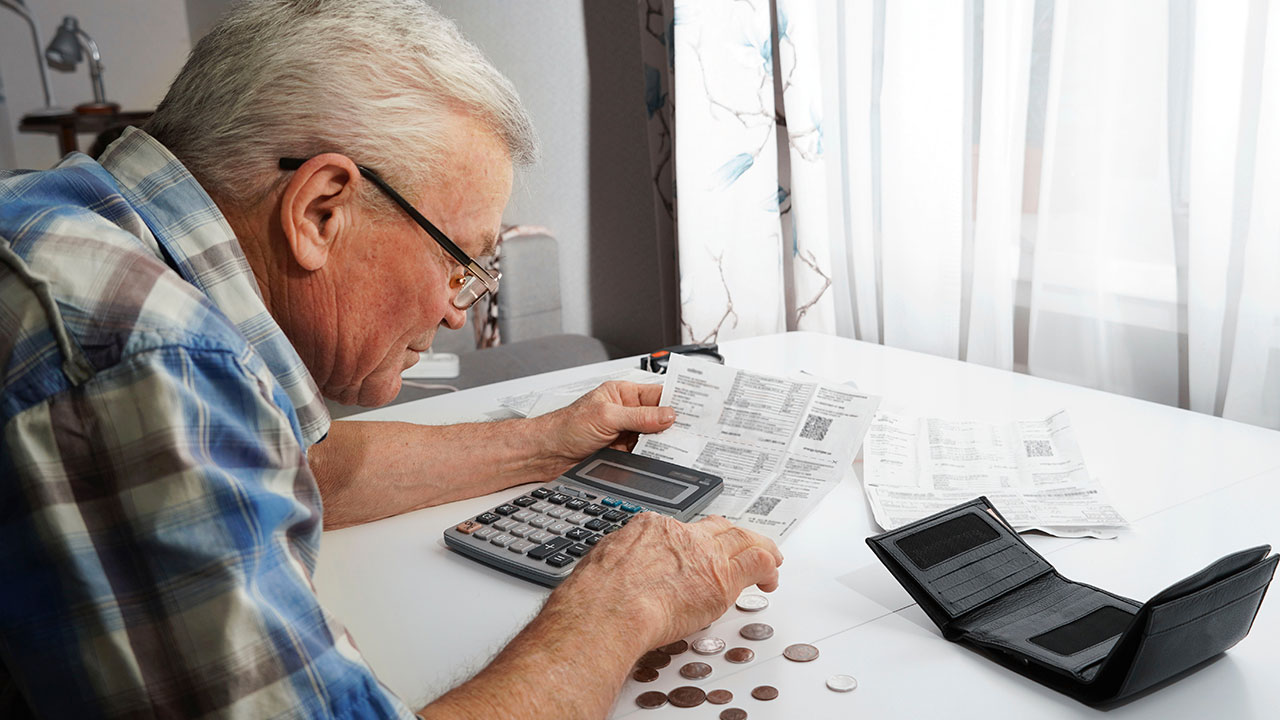
A survey commissioned by Home in Place of 772 renters aged 55 to 69 found a bleak outlook for many nearing retirement. One in three said they expected to run out of super within five years if they had to rely on it to pay rent. Four in 10 said they “definitely can’t” afford private rent on the age pension, while six in 10 said they spend more than 30 per cent of their income on rent, placing them in housing stress.
Home in Place group executive manager Martin Kennedy said the superannuation system was never designed for people renting in retirement.
“These people are very unlikely to become homeowners, as if you are deep in the second half of your career, the chances of getting a home loan are very slim for obvious reasons,” he said.
“What that means is this group of people are likely to be stuck renting forever and that is a problem because our whole retirement system is predicated on people in their later years will have very few housing costs because they will have paid off a home.”
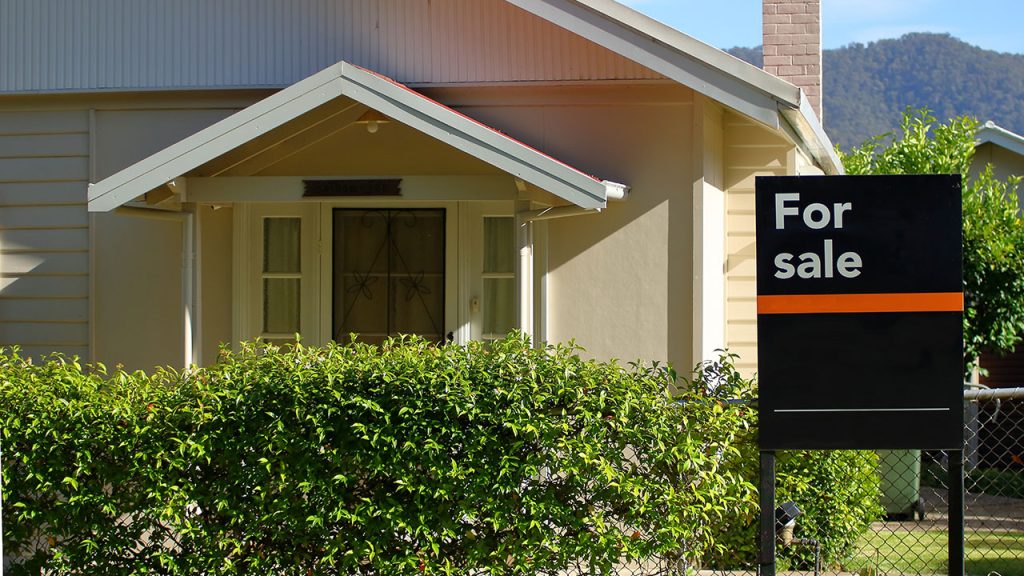
Mr Kennedy said the system also assumes renters will be able to get by on super and government payments, but that is no longer the case.
“Neither of those assumptions hold up, so we are talking about 750,000 Australians heading into retirement without homes that they own, not enough super and in a rental market that makes the aged pension look like pocket money,” he said.
The problem is expected to worsen as fewer younger Australians are able to buy a home. Parliamentary figures show 61 per cent of Australians aged 25 to 34 owned a home in 1981, but by 2021 that figure had fallen to 43 per cent. Mr Kennedy said 20 per cent of older renters believed they would have to work forever, while only 8 per cent expected a comfortable retirement.
Figures from Super Consumers Australia show just how wide the gap has become. It found a single person still renting in retirement needs a super balance of $659,000 to meet basic needs, more than double the $322,000 needed by someone who owns their home. A couple who rent need $786,000 in combined super, compared with $432,000 for a couple who own their home. The estimates are based on a modest retirement that includes some reliance on the age pension and a 90 per cent chance the savings will last until age 90.
That is far beyond what most people have. Australian Taxation Office figures show the median super balance for Australians aged 55 to 69 sits between $170,000 and $210,000.
Super Consumers Australia deputy chief executive Katrina Ellis said the outlook for renters approaching retirement was “pretty grim”.
“By doing these numbers we are quantifying the gap,” she said.
“Renters are exposed to the whims of the rental market and whatever landlords want to charge. They have that as an ongoing, relentless cost throughout their retirement.”
“Meanwhile, people who own their home have very low housing costs once they’ve paid off their mortgage and that is the real gap between renters who face higher costs and homeowners who have stable payments in retirement.”
Ms Ellis said the retirement system, including super and the age pension, was built around the expectation that retirees would own their homes. She said government support for older renters was also failing to keep pace, particularly Commonwealth Rent Assistance.
“The big thing that is not keeping pace is the government’s commonwealth assistance payment which they pay to pensioners who are renting a property,” she said.
“The government did two adjustment payments in 2023 and 2024 because they realised it was falling behind, but now it is just going up with CPI.”
Ms Ellis said that meant rent assistance briefly caught up in 2024 before falling behind again in 2025. The Australian Bureau of Statistics said rental prices rose 3.9 per cent in 2025, or closer to 4.3 per cent when government assistance is excluded, while overall CPI rose 3.8 per cent.
“Automatically there’s a gap and that payment really needs to keep up with rent,” Ms Ellis said.
Mr Kennedy said the warning signs of a housing crisis among older Australians were already clear.
“The numbers are right there for anyone that cares to look at them, (this housing crisis) is coming and it is entirely predictable, so why aren’t we preparing for it?” he said.
He said 10 per cent of all new homes built in Australia should be social or affordable housing. The federal government has set a target of building 1.2 million new homes in well-located areas over five years from mid-2024, including a one-off $2 billion payment to states and territories to permanently increase social housing stock. But Mr Kennedy said the response did not go far enough.
“For around 750,000 Australians, the retirement system is simply not fit for purpose,” he said. “We need more social and affordable housing to avoid disaster.”