Western Australia’s new AI-assisted road safety cameras have come under increasing scrutiny after more than $1 million in fines were withdrawn within the first six months of operation. The issue is particularly relevant for touring drivers who often travel long distances with passengers, children and gear on board.
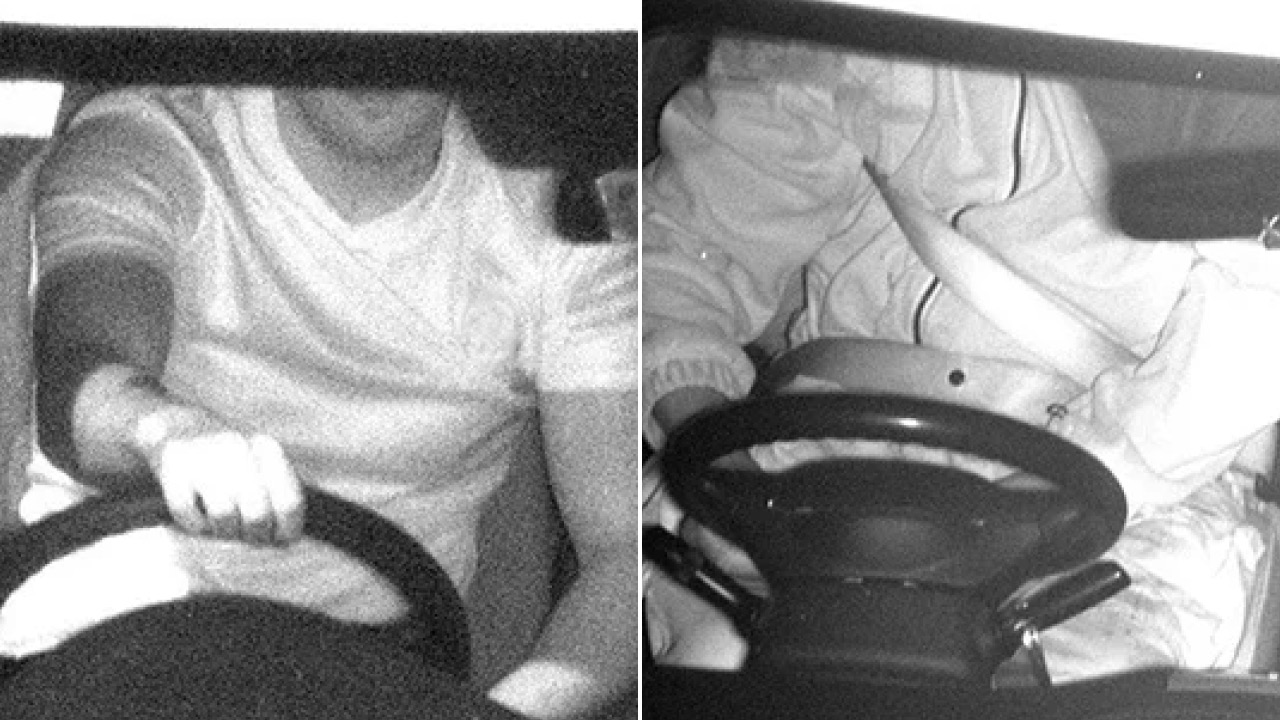
The cameras were introduced in October last year and use artificial intelligence to detect possible seatbelt and mobile phone offences. Since the rollout, authorities have issued more than 53,000 seatbelt-related infringements across the state.
But not all of those penalties have stood. Around 2,000 fines were revoked after an internal review by the Department of Transport, equating to roughly $1.1 million in cancelled infringements.
Between October 8 and April 17, 3,381 motorists formally challenged their fines. About 60 per cent of those reviews resulted in penalties being withdrawn, with 2,043 notices ultimately overturned. Despite the cancellations, the enforcement program has still raised more than $29 million in fines, averaging close to 300 infringements per day across the period.
Some drivers have also reported receiving multiple fines within a short timeframe, which they say leaves little chance to change behaviour before being penalised again.
A significant share of infringements has involved passengers, especially children, being incorrectly restrained. For drivers in touring settings, that can be a real concern, particularly when rear-seat passengers are involved on long trips through regional and remote areas. Some motorists argue they cannot safely intervene while driving, yet still face automated penalties.