A new treatment for Parkinson’s disease is now available in Australia.
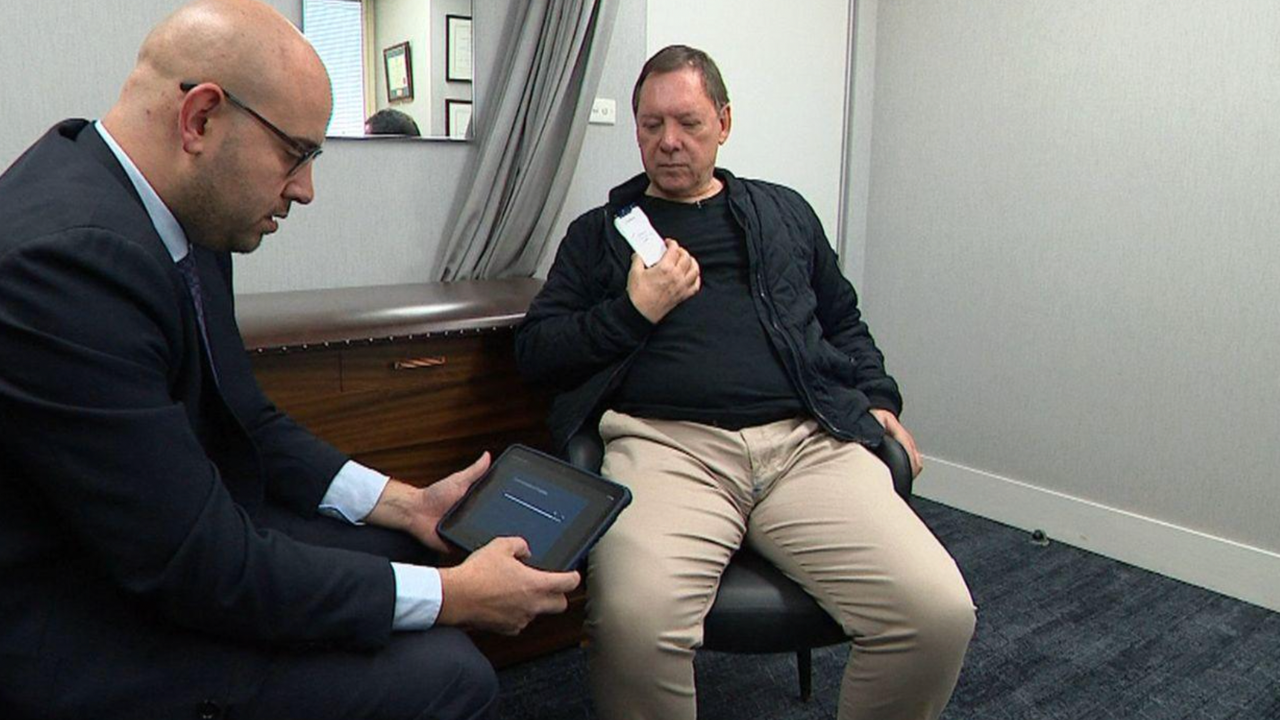
Walter Grkovic has become the first person in the country to receive adaptive deep brain stimulation, a new form of therapy designed to better manage the condition’s symptoms.
“It’s great, I’m making history,” he said.
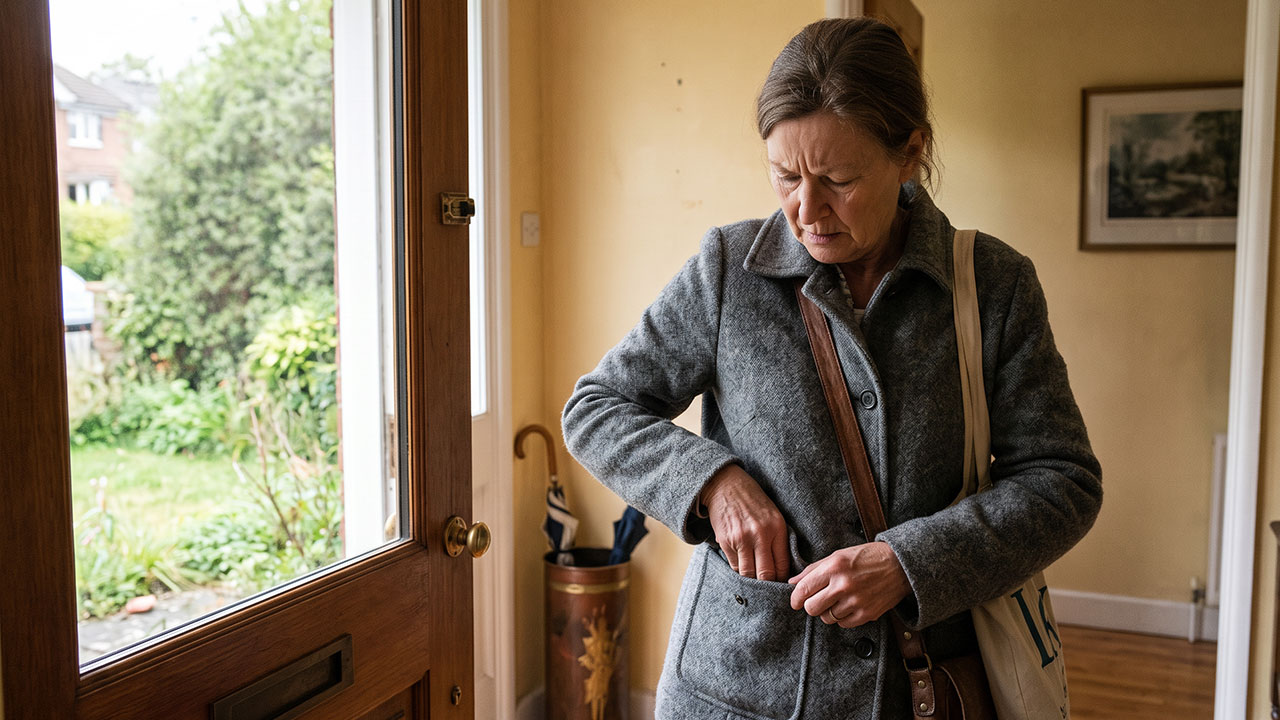
Parkinson’s disease is a neurological condition that affects movement, often causing tremors, stiffness and sudden “freezing” episodes that can make it difficult to walk or perform everyday tasks.
More than 150,000 Australians live with the condition, with around 50 new diagnoses each day.
The new treatment builds on an existing therapy known as deep brain stimulation, where doctors implant thin electrodes into parts of the brain that control movement.
The electrodes are connected to a small battery device in the chest, similar to a pacemaker, which sends electrical signals to help regulate abnormal brain activity.
What makes the new version different is that it can respond in real time, rather than delivering constant stimulation. The device monitors brain signals and automatically adjusts the level of stimulation as symptoms change.
Neurologist Joel Maamery said the technology marked a significant step forward.
“I think of it as the next generation of brain stimulation,” he said.
“Adaptive stimulation allows us to sense the abnormal signals within the brain and the device actually increases its own output in real time to provide therapy for that patient at that time.”
“It’s a real breakthrough,” he said in an interview with 7News.
He added that the treatment has been available in the US and Europe for the last 12 months, and it’s finally approved in Australia as well.
“It really is a wonderful step and a new option for treatment for people who struggle with this condition for such a long time.”
While the treatment is not a cure, doctors hope it will reduce the daily ups and downs many patients experience when medication wears off.
For Grkovic, who was diagnosed about a decade ago, those fluctuations had become “debilitating” and increasingly difficult to manage.
“I had this dystonia in my feet where it would all cramp and curl,” he said.
“It was agony. I had this debilitating anxiety that was all through my body that was incredibly painful.
“I had these periods of freezing when I was stuck on the floor and I just couldn’t move.
“There was definitely a lot of fear around how am I going to survive or get through the day basically.”
While medication initially helped control his symptoms, he said his condition worsened significantly in recent years.
“The first five years it was manageable because the medication seemed to control the symptoms,” he said. “And then five years ago, all the symptoms seemed to come on all at once really badly.”
After undergoing deep brain stimulation surgery earlier this year, Grkovic said his mobility had already improved, allowing him to walk unassisted with fewer severe episodes.
The adaptive upgrade could further smooth out those “off periods”.
“The good thing about the new technology is because it can detect when I need more stimulation, it’ll self-regulate,” he said.
“It will iron out those off periods that I might be having when the medication runs out and make me feel just on all the time.”
Doctors say it will take time to fully understand how well the device adapts, as it learns each patient’s brain patterns.
“This really is the next step along the journey as we learn more about the brain and what treatments we can provide for our patients,” Maamery said.
Researchers are also exploring whether similar technology could one day be used to treat other neurological conditions, including epilepsy and depression.
For Grkovic, a former actor, the treatment offers renewed hope.
“Hopefully if all goes well and if I’m up to it go back to performing again which would be really good,” he said.
Image: 7News