Farmers are calling for an increase of at least 20 per cent a litre, taking the price to close to $2, arguing that higher diesel, fertiliser and transport bills are squeezing farms so tightly that production could be cut further and shortages may follow. Woolworths has indicated it will pay an extra 10 cents per litre to farmers supplying its Farmers’ Own Brand, and a spokesperson said it was “working to find the right path through” with suppliers, farmers and transport partners. The spokesperson added: “We know Aussie households are feeling real pressure when it comes to rising costs and fuel prices. We’re committed to doing what we can to buffer customers at the checkout and absorbing some of those extra costs in our supply chains,” a statement read.
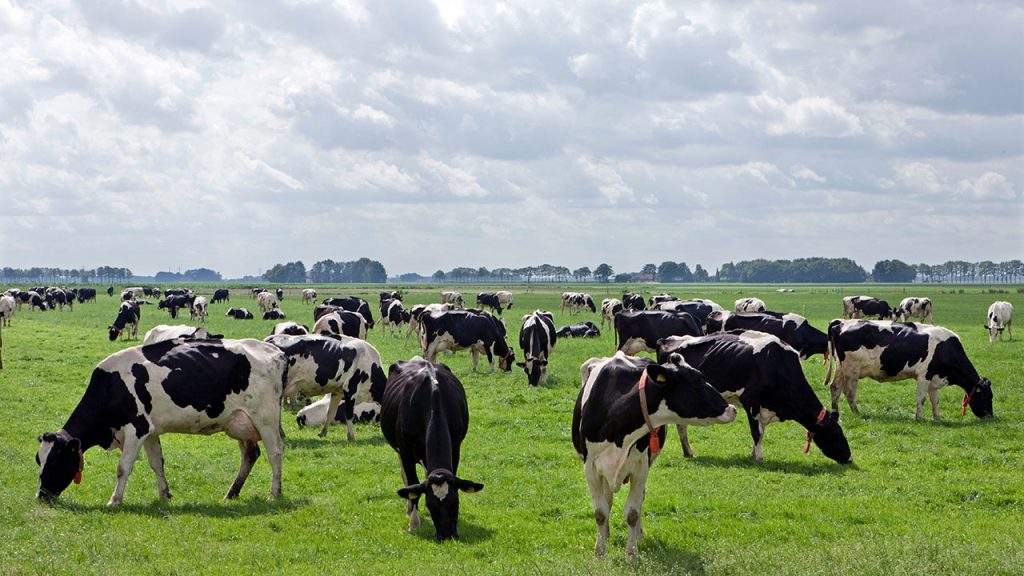
Lactalis, Australia’s biggest dairy company, has announced it will pay an extra five cents a litre to its roughly 800 farmer suppliers from May 1 to help offset fuel and fertiliser prices. Norco is also expected to lift prices for its 190 dairy farms across NSW and Queensland, with details to be confirmed after a board meeting later this month. Coles has also said it will continue supporting suppliers while trying to provide value for customers.
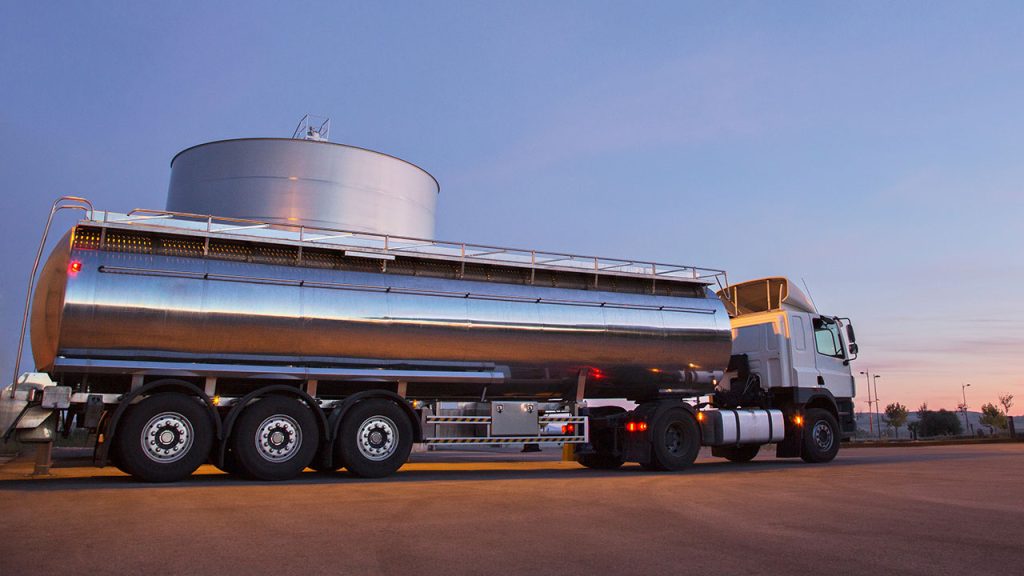
Fuel and supply costs have surged during the conflict, with disruption around the Strait of Hormuz affecting global oil and trade flows. The Australian Institute of Petroleum reports average regional diesel prices are about $3.20, up six cents in a week. Farmers are also being hit by fertiliser pressure, with about 60 per cent of Australia’s urea, the most widely used nitrogen fertiliser, sourced from the Middle East, and supply interrupted for weeks. The transport sector is feeling the strain too, with a recent survey finding 70 per cent of truck operators fear they will go under if the fuel crisis lasts six months.
The stress is already showing on farms. Some dairy producers in NSW and Queensland have reduced milk output in recent weeks, creating flow-on effects through the supply chain. Others are cutting back on fertiliser, which can reduce pasture growth and the number of cows that can be milked. One farmer warned, “It has the potential to be an absolute disaster. Every farmer I talk to at the moment is making a loss,” one farmer told 7News. Dairy farmer Tim Bale also described difficult decisions now being considered: “I talked to another farmer today who’s talking about putting off staff, maybe reducing a hundred cows,” dairy farmer Tim Bale told ABC News. He said farmers need certainty as costs climb: “They [dairy farmers] need confidence … if I kept going with the same normal fuel, normal fertiliser I use, it would probably take out my profit this year.”
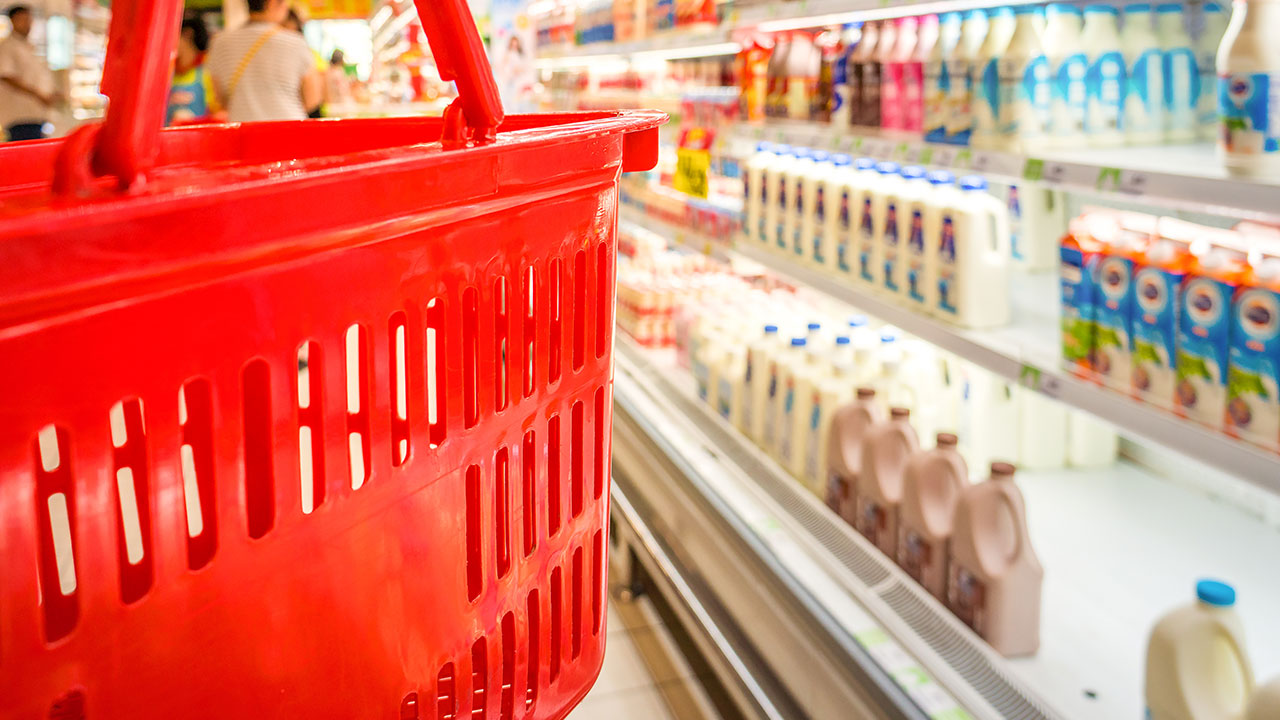
Farmers say the outcome could be shortages, not only of milk but also products like cheese and butter. Coles and Woolworths branded full cream milk is currently sold at about $1.60 a litre, a price the dairy industry has previously said is unsustainable, and supermarkets are reported to be resisting a move towards $2 a litre because customers are already under pressure at the checkout.
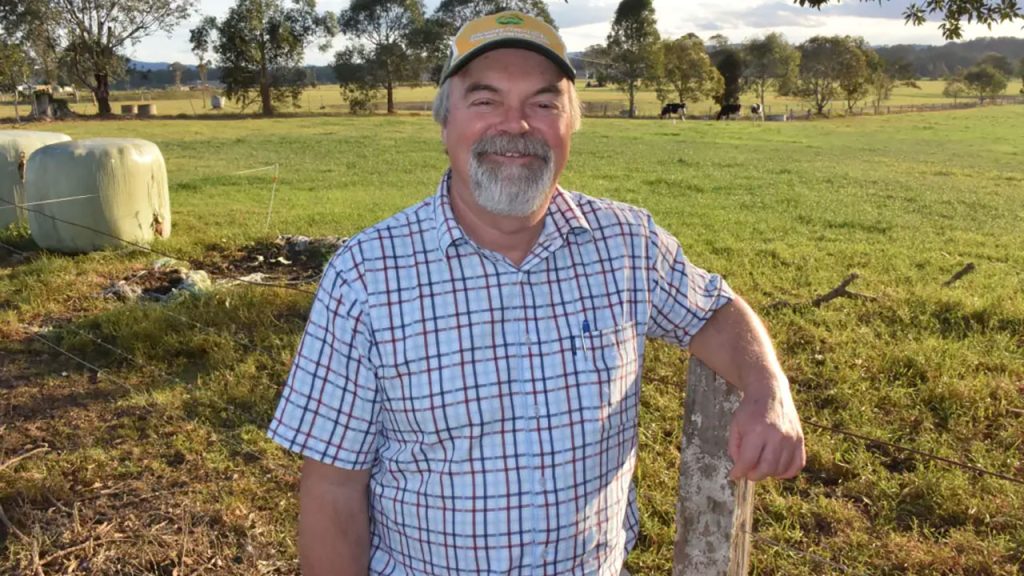
The push for change has also been backed by eastAUSmilk, which recently called for a 30 cent per litre rise. Mr Bale believes shoppers would accept a higher price if it genuinely supported farmers. “The feedback from most consumers is that if farmers got some of it or the bulk of it, they’d be very happy to pay more and would still continue to buy milk,” the farmer said. “We just want a fair price.”
Australia’s milk production has fallen to around 8 billion litres a year, well below New Zealand’s 21 billion litres, adding to concerns about long-term supply if local farmers cannot cover rising costs.