Electric vehicle sales climbed sharply in March, reaching their highest share of the Australian new car market to date, according to the latest VFACTS figures. A total of 15,839 battery electric vehicles were sold during the month, accounting for 14.6 per cent of all new vehicle sales. That is almost double the share recorded a year earlier, when battery electric vehicles made up 7.5 per cent of sales in March 2025.
Despite that strong EV result, overall new vehicle sales eased back. VFACTS recorded 105,058 vehicle sales in March 2026, which was 3.3 per cent lower than March 2025. With 25.5 selling days in both March 2025 and March 2026, this equated to “a decrease of 139.1 vehicle sales per day in March 2026.”
The monthly picture was mixed across the main segments, with the Passenger Vehicle Market down by 1,062 vehicle sales (-7.5%) over the same month last year, the Sports Utility Market up by 582 vehicle sales (0.9%), the Light Commercial Market down by 2,570 vehicle sales (-10.5%) and the Heavy Commercial Vehicle Market down by 498 vehicle sales (-12.0%) versus March 2025.
Federal Chamber of Automotive Industries chief executive Tony Weber said the jump in EV demand was clear, but warned against assuming it signals a permanent shift. “It is too early to determine whether this represents a structural shift in the market. More consumers are considering EVs due to the disruption to fuel supply caused by conflict in the Middle East, along with the review into the fringe benefits tax concession for EVs,” Mr Weber said.
He said the industry is positioned for longer-term growth in electric vehicle uptake. “The automotive industry would welcome a sustained shift to EVs, given its substantial investment in bringing more than 100 EV models to the Australian market and the industry’s efforts to meet ambitious NVES targets.”
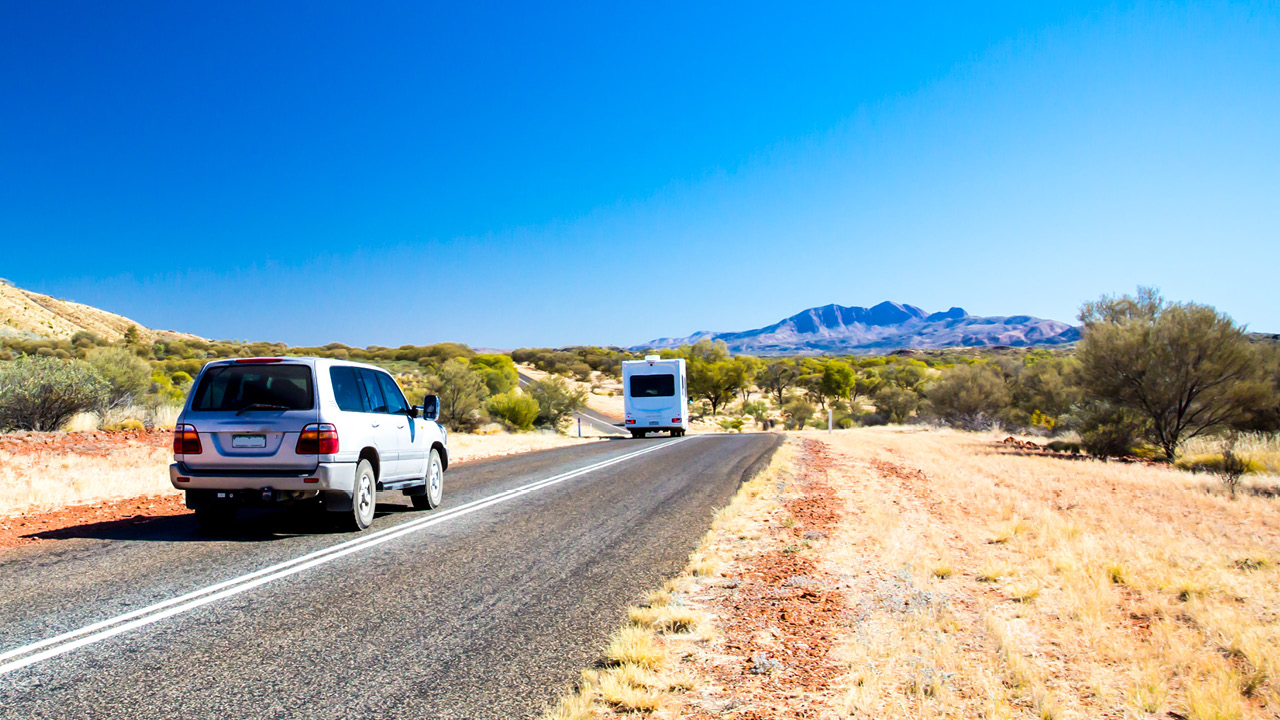
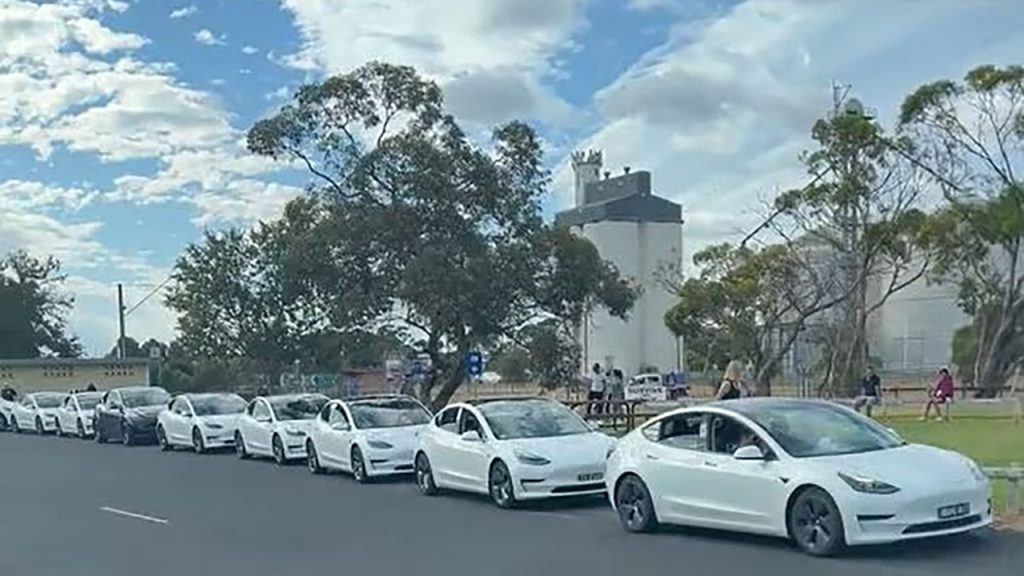
However, he stressed that lasting growth will depend on whether infrastructure keeps up with interest from buyers, particularly beyond the major cities. “A long-term shift to EVs will require Australian governments to sharpen their focus on public charging infrastructure, particularly in regional areas and locations where home charging is not practical.” He added: “Ensuring infrastructure keeps pace with consumer demand will be critical to enabling sustainable growth in EV adoption beyond short-term influences.”
Toyota led the market overall in March with 16,574 sales, followed by Kia, BYD, Mazda and Ford. The top-selling models were the Ford Ranger, Toyota HiLux, Nissan X-Trail, Mitsubishi Outlander and Hyundai Kona.