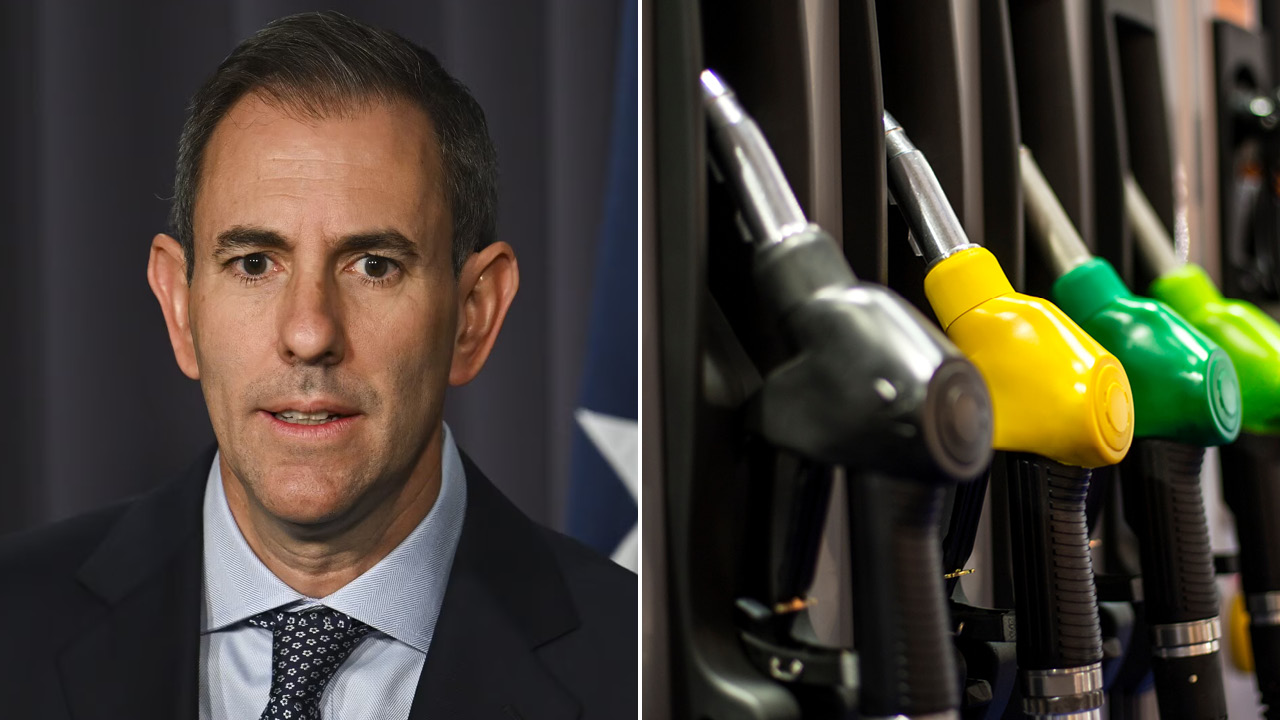
Australians will not be subjected to fuel rationing despite growing concern about shortages, with the federal government stressing its focus is on maintaining supply rather than restricting access as conflict in the Middle East disrupts global shipping routes.
Attorney General Michelle Rowland dismissed talk of rationing, saying, “We are not considering that. We are focused on security of supply,” even as fears build about the impact of the Strait of Hormuz situation on Australia’s fuel reserves and household budgets.
Rowland said the government’s approach is to protect supply chains and reinforce arrangements with regional partners, not limit how much people can buy. “Every ship that was supposed to arrive has arrived, and we know that by shoring up arrangements with some of our closest trading partners in the area… they are the best ways that we can continue to ensure that we have that security of supply,” she said.
She confirmed these supply security measures have been extended beyond April into May, with strengthened arrangements involving key partners including Japan and Singapore.
Rowland acknowledged many Australians are feeling uneasy, especially as families try to plan day to day life while prices climb and warnings circulate. “You’ve got viewers tuning in today who are on school holidays, who are rightfully anxious about what is going on and the impact of the closure of the Strait of Hormuz and what that’s doing to our supply chains, to our agriculture stocks,” she said.
The government’s comments come as US President Donald Trump again criticised allies during a global press conference, singling out Australia. “And it’s not just NATO. You know who else didn’t help us? South Korea didn’t help us. You know who else didn’t help us? Australia didn’t help us,” Trump said.
Rowland defended Australia’s stance, stressing the country is not joining offensive operations. “The United States, of course, is one of our longest and most important allies. But I will say this, Australia is not taking offensive action in this war. We will not be deploying troops,” she said. “The actions that we have taken are defensive ones, noting that this has come in response to requests from the Gulf states. And it’s designed to protect Australian citizens who are there.”
She added that Australia remains in regular contact with American officials while continuing to push for calm. “There is a constant contact between our officials, between our people in Washington, and also at a ministerial level as well,” she said. “We will continue as a country to call for a de-escalation of this conflict. Your viewers are being impacted adversely by events on the other side of the world that they did not cause, and Australia did not cause.” She added, “This war cannot end soon enough.”