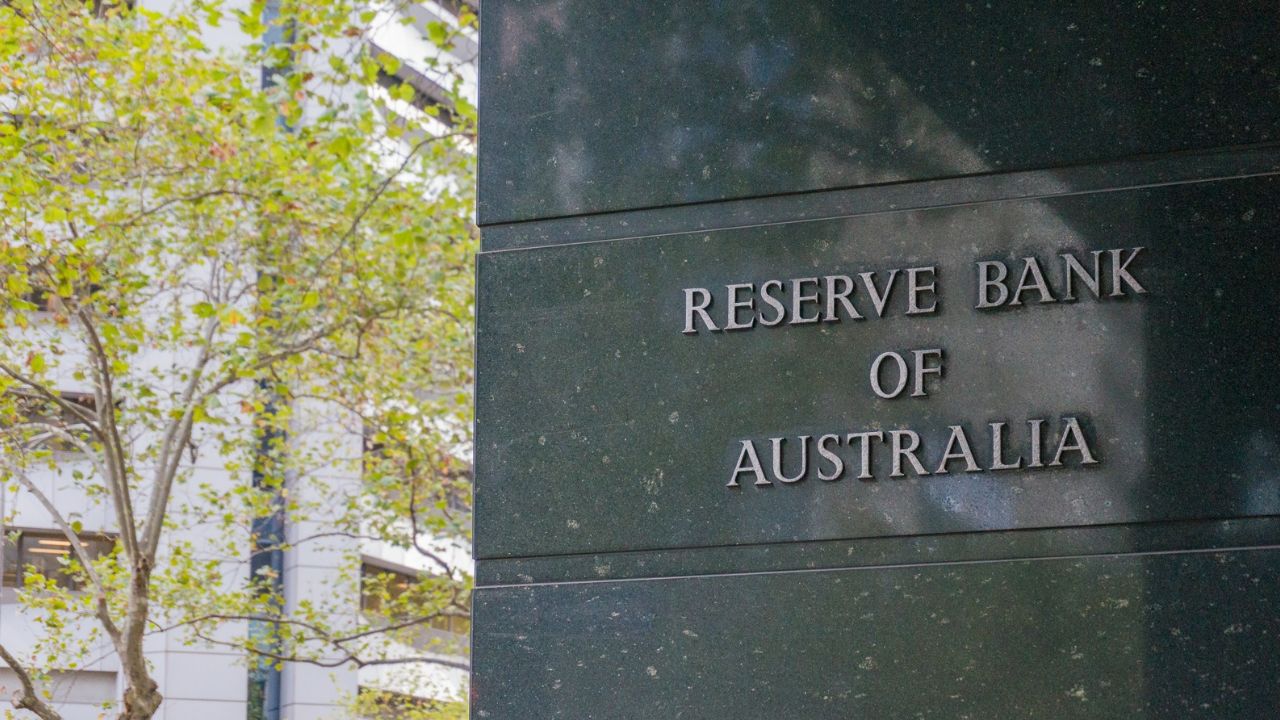
The Reserve Bank has confirmed that surcharges on credit and debit card payments will be banned from October, in a move expected to save Australians $1.6 billion each year in unnecessary fees.
The changes were announced by the Reserve Bank of Australia on Tuesday after a lengthy consultation process that included strong opposition from some small businesses.
Under the reforms, businesses will no longer be able to add extra fees when customers pay by card from October 1.
The central bank said the current system is no longer working as intended because most Australians now pay electronically and often cannot avoid surcharges.
The changes apply to Visa and Mastercard cards, but not to American Express, which is regulated differently.
Customers are not the only ones expected to save, as businesses are also expected to benefit from lower payment processing costs, with merchants forecast to save about $910 million annually.
The reforms also include lower caps on interchange fees and new transparency rules to make it easier for small businesses to compare payment providers. Smaller businesses typically pay higher fees than larger retailers, which can negotiate better deals.
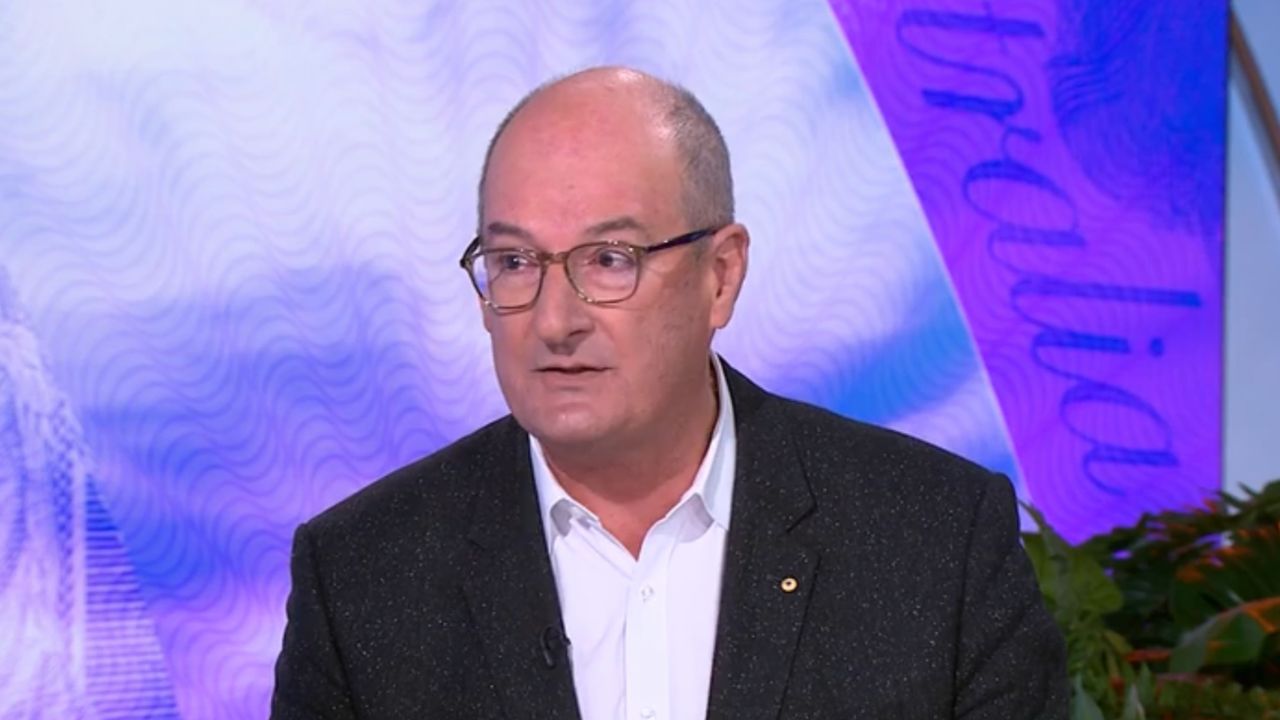
Reserve Bank governor Michele Bullock said the changes would make card payments simpler and easier to understand.
“Surcharging no longer works as intended,” she said.
“Consumers and businesses find the rules complex and confusing, surcharges are often not well disclosed, and most consumers want surcharging to stop,” Bullock said.
The Reserve Bank also said the current system has meant many card users have effectively been paying for rewards points and frequent flyer programs, even though only some customers benefit from those schemes.
Most changes will come into effect this October, with some next April.
Image: GillianVann / Shutterstock.com