Researchers have reached a major milestone in a groundbreaking trial that could transform stroke prevention for older Australians. The Heart Research Institute (HRI) has completed the screening phase of the Australian arm of the world’s largest clinical trial investigating whether systematic checks for atrial fibrillation (AF) – a common but often silent heart rhythm disorder – can prevent strokes.
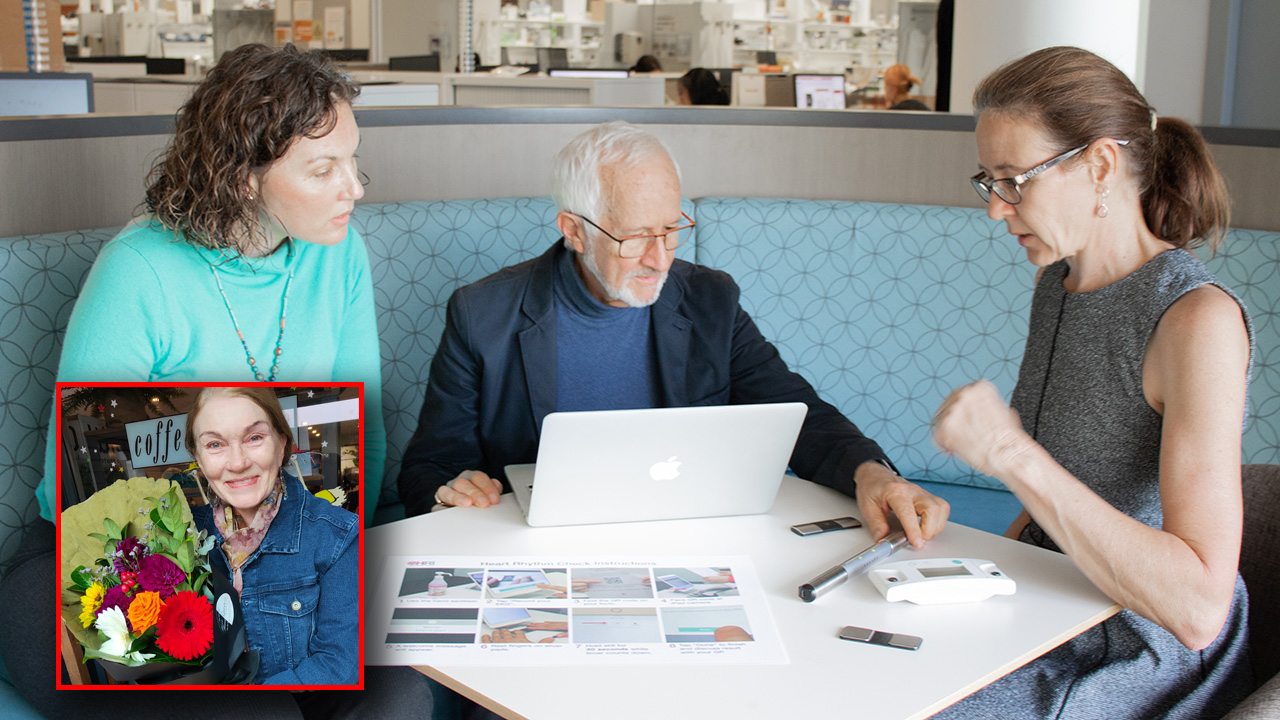
More than 600 Australians aged 70 and over across New South Wales, Western Australia and Tasmania have taken part in the SAFER-AUS trial. Participants used a handheld ECG device at home, checking their heart rhythm four times a day for three weeks. Early results are promising: previously undiagnosed cases of AF have already been identified, offering a vital window to prevent potentially life-threatening strokes.
“Atrial fibrillation often goes unnoticed because people feel perfectly well,” said HRI’s Professor Ben Freedman OAM, who leads the trial. “We regularly see people only discover they have AF after suffering a stroke. If we can find it earlier, we have a real opportunity to prevent these devastating events.”
AF affects roughly 10 per cent of Australians over 70 and increases stroke risk up to fivefold. Around a third of all strokes in Australia are linked to this condition, which often shows no warning signs until it’s too late.
For participants like 72-year-old grandmother Maryanne, the trial has been life-changing. She only discovered her AF after a severe stroke – a stark reminder of why early detection matters.
Dr Nicole Lowres, who co-leads the SAFER-AUS trial, said the research could pave the way for national screening programs similar to those for breast or bowel cancer. “This is about shifting stroke prevention upstream,” she said. “If systematic screening proves it reduces strokes, it could be implemented across Australia immediately.”
The international SAFER Trial, including a UK arm with over 100,000 participants, aims to influence global healthcare guidelines on how AF is detected and managed.
Professor Freedman, who has experienced a stroke himself, said the work is deeply personal. “Prevention is everything. Even stopping a fraction of strokes by finding AF early would change countless lives, relieve families, and ease pressure on our health system.”
The SAFER-AUS trial has been supported by the Medical Research Future Fund (MRFF) and the NHMRC Clinical Trials Centre, University of Sydney, which coordinated the project.
With the halfway mark reached, the trial offers hope that a simple, at-home screening could soon become a lifesaving tool for older Australians, turning silent heart risks into early action and brighter futures.
Images: Supplied