Around three million Australians could be better off by about $2,465 a year under a proposal put forward ahead of the Fair Work Commission’s annual wage review. The Australian Council of Trade Unions is calling for a 5 per cent rise to the minimum wage, timed for when the commission renews pay rates from July 1.
If adopted, the full-time minimum wage would increase from $24.95 an hour to $26.19, lifting the annual figure from $49,296 to $51,761. The ACTU says the change would especially benefit workers in sectors such as hospitality and retail, along with disability and health care.

ACTU Secretary Sally McManus argues the case for a rise is strengthened by current global and domestic pressures, including conflict in Iran and interest rate increases from the Reserve Bank of Australia. “Everyone knows the lowest paid workers in Australia are doing it tough because they have borne the brunt of cost-of-living increases as landlords put up rent and supermarkets and fuel companies pumped up prices to inflate their profits,” she said. “We will not accept the lowest-paid workers in Australia going backwards because of the Reserve Bank and Donald Trump. “Workers were the ones who felt it the most last time inflation spiked; we cannot let this happen again. This is why low-paid workers need and deserve a decent pay rise.”
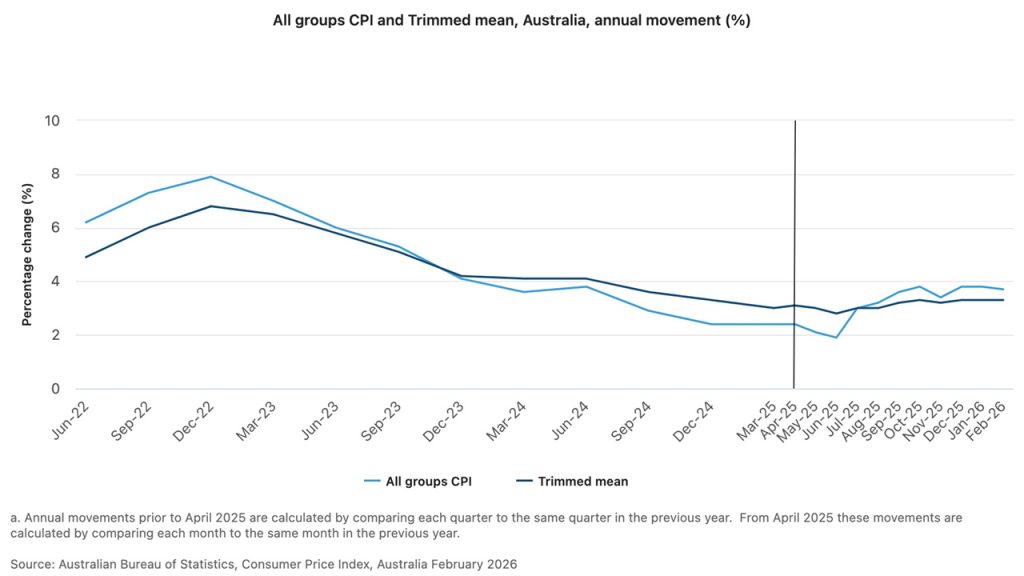
Treasury modelling has suggested inflation could reach 5.5 per cent if global oil prices climb to $US120 a barrel in the event of a prolonged war in Iran. Inflation had already been trending up before the overseas conflict, coming in at 3.8 per cent over the 12 months to January, above the target range.
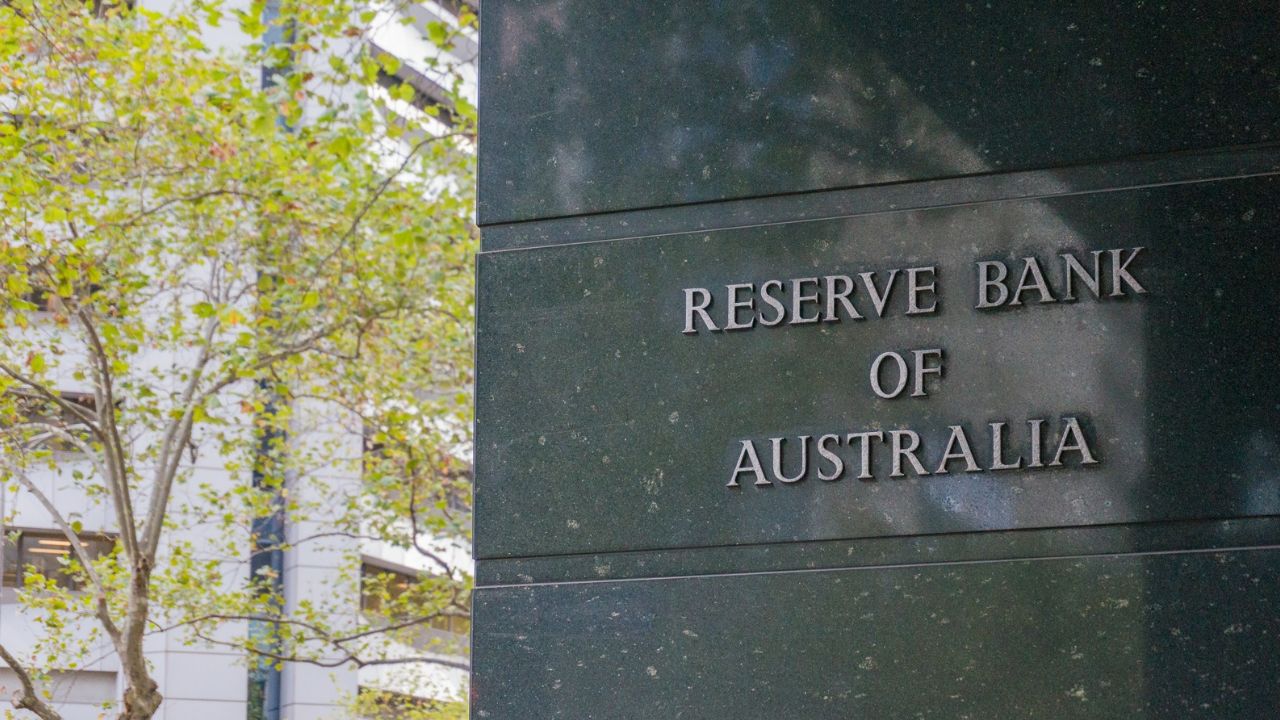
The Reserve Bank attributed its latest 0.25 percentage point rate rise to inflation pressures, while also warning about the risk of a global recession. “The best contribution we can make to full employment and in fact to things like investment and productivity and so on, is to have low and stable inflation,” RBA Governor Michele Bullock said at the time.
The ACTU says housing and power costs are key drivers of inflation, and argues the proposed minimum wage increase would account for only about 0.6 per cent of the national wage bill. McManus also pushed back on claims that higher wages would worsen inflation. “Of course, employer groups will say that any wage rise will put pressure on inflation, like they do every year, and every time they have been wrong,” she said.
The Fair Work Commission will consider submissions as part of its annual review of the minimum wage and award minimum rates, with hearings scheduled for May. Any approved changes are typically applied from the first full pay period on or after July 1.