
For many Australians trying to lose weight, the rise of new prescription weight-loss medications has been a game changer. But emerging research suggests the drugs alone may not be the full answer – and that what happens outside the doctor’s consult can make a powerful difference.
A new study from the University of Melbourne, analysing data from nearly 10,000 adults, found people using medication alongside structured lifestyle support lost around 30 per cent more weight than those relying on medication alone over six months. Women saw even greater results, losing about 35 per cent more on average.
The research examined patients using a holistic digital program from Moshy, which combines medical treatment with dietitian access, personalised meal plans, habit tracking and ongoing clinical support.
Moshy Chief Medical Officer Dr Kieran Dang says the findings highlight a shift in how obesity is understood and treated. “Medication can be a powerful catalyst for change, but it’s the everyday behaviours – what people eat, how they move, how supported they feel – that turn short-term results into long-term health,” he says.
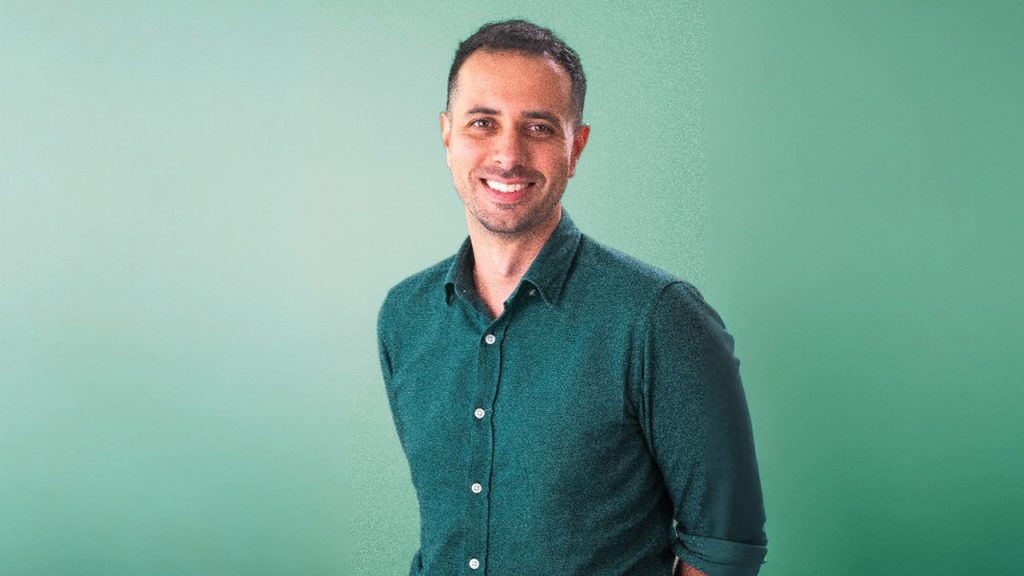
“This study shows that when people have the right tools and accountability built into their routine, they can lose more weight and lose it faster.”
For Melbourne dog walker Karen Holman, that support proved life-changing.
For years, Karen’s livelihood depended on staying active, walking multiple dogs daily and spending long hours on her feet. But chronic back pain – one of Australia’s leading causes of disability – gradually took a toll. As her weight climbed past 90 kilograms and she developed fatty liver disease, the physically demanding work she loved began to feel impossible.
She says she felt trapped in her own body and feared losing her small business.
With medical weight-loss treatment combined with telehealth coaching, Karen was able to change long-standing emotional eating habits, build healthier routines and steadily lose 28 kilograms. The weight loss also eased pressure on her back, allowing her to return to work, pain-free.
Experts say her experience reflects a broader trend; sustained weight loss is rarely just about medication or willpower alone, but about consistent behavioural change supported over time.
Dr Dang says the findings reinforce that obesity should be treated as a chronic, complex condition. “Modern medical weight loss treatments have revolutionised obesity treatment, but they work best when combined with behavioural support,” he says.
“Digital health tools are helping us rethink what obesity management looks like, proving technology and medical science can work hand in hand to deliver better outcomes.”
For many Australians, that combination could be the crucial element in turning short-term weight loss into lasting health change.
Images: Supplied