Pauline Hanson’s One Nation is recording a sharp lift in support as Australians look for relief from rising costs, with ongoing fuel shortages adding to the pressure on household budgets.
One Nation’s primary vote has jumped by two percentage points to 24 per cent, in a shift that highlights growing willingness among voters to move away from the major parties when marking their first preference. The latest figures also show a broader appetite for alternatives, with polling indicating that half of all voters would consider backing a non-traditional party, including the Greens, independents and One Nation candidates, in what is described as a first-of-its kind record from the Resolve Political Monitor.
Labor, which won the May election on a 34.6 per cent primary vote, has now slipped to 29 per cent. The Coalition has also fallen heavily, dropping from 37 per cent in March 2025 to 22 per cent. One Nation, which was polling at 7 per cent last March and even lower at the May election, has climbed steadily since then to reach 24 per cent, overtaking the traditional opposition for the first time. The Greens and independents have each edged up by one percentage point.
Support for One Nation is strongest in New South Wales, where 29 per cent of respondents said they would make it their number one choice, putting the party ahead of Labor on 28 per cent.
Resolve pollster Jim Reed said Labor’s decline was linked to interest rate rises and fuel shortages, describing the situation as the “straw that broke the camel’s back” for voters already worn down by years of cost of living strain. “This proves our thesis that One Nation are acting much like Reform in the UK, first taking vote share from the Right and then the Left,” he said. “They are taking votes from those who feel ill-served, ignored or rejected by the major parties and they’re voting for change, any change.”
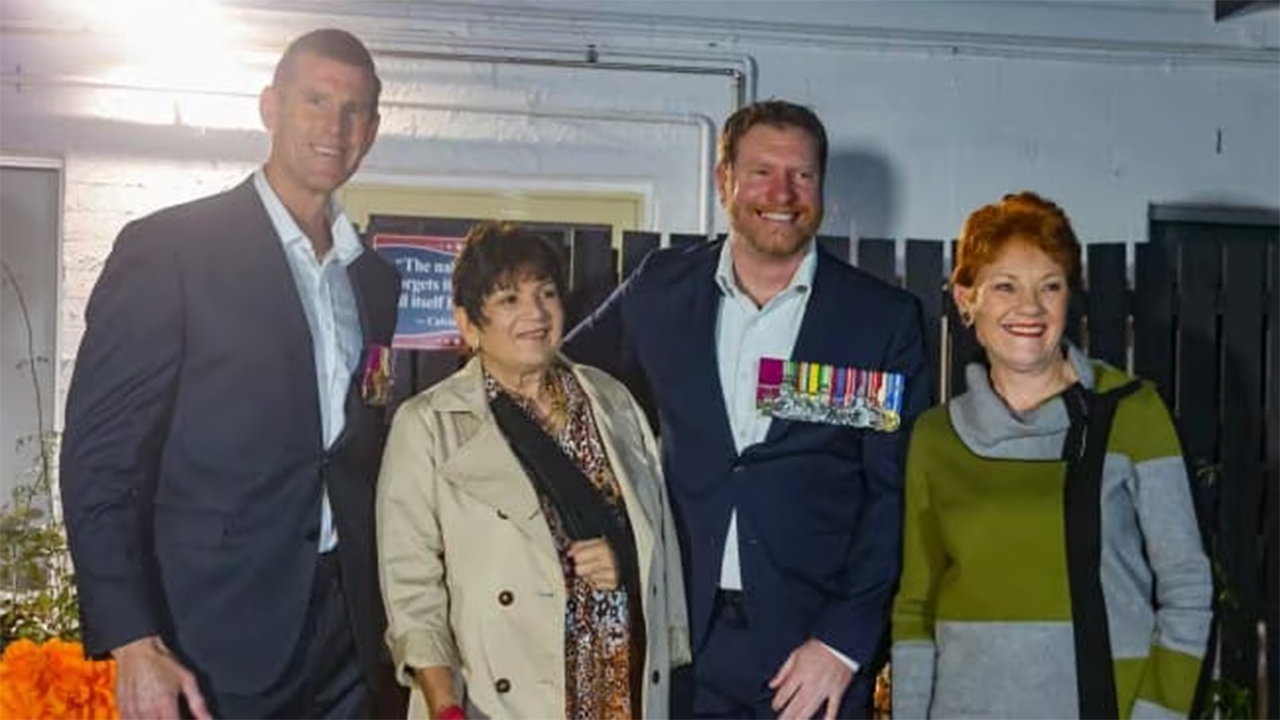
The upcoming Farrer by-election on May 9 is expected to be a key test for One Nation’s momentum. The party will be aiming to take the lead with Narrandera agribusiness veteran David Farley in a seat held by the Liberal Party since 2001.
The by-election was triggered when Sussan Ley stepped down as opposition leader and left politics on February 26.