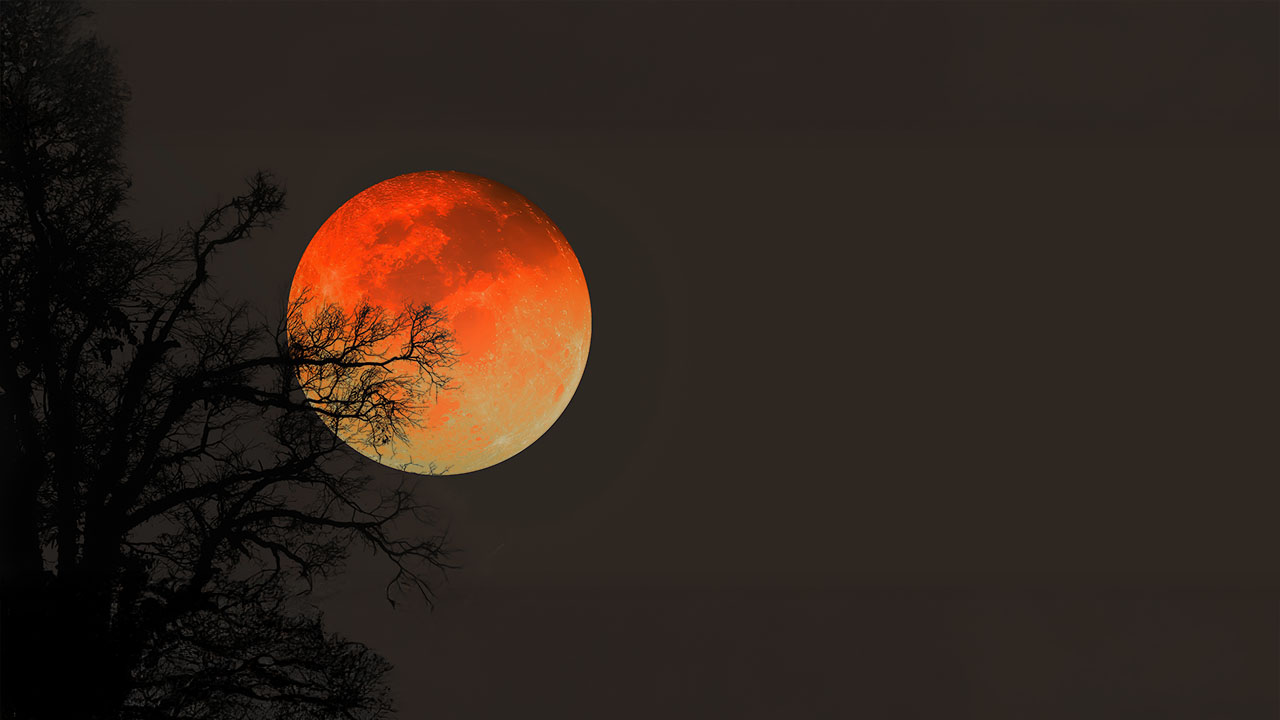
Australians who looked up on Tuesday night were treated to a rare “blood moon”, with the night sky taking on an eerie red glow. A total lunar eclipse was visible across the country, apart from rain-affected regions, and those under clear skies saw the moon shift into a distinct rust-coloured tone.
Blood moons don’t happen often. They typically occur every 18 months to three years, and this kind of spectacle “is not expected to appear again anywhere in the world until 2029.”
View this post on Instagram
The eclipse was especially striking over Brisbane, where clear conditions helped make the event easy to see. The alignment was visible for about an hour from around 9pm. A total eclipse happens when the Earth lines up precisely between the sun and the moon, sending the moon into Earth’s shadow.
That shadow is what creates the red look. As sunlight passes through Earth’s atmosphere, it’s filtered and bent onto the moon’s surface, giving it its trademark colour. “The more dust or clouds in the earth’s atmosphere during the eclipse, the redder the moon will appear,” NASA says.
If you missed this one, there’s still plenty for southern skywatchers to enjoy this year. Mercury, Mars and Saturn will gather closely in the eastern sky between April 19 and 22. Later on, early risers can catch the Geminid meteor shower, expected to peak on December 15. Then, on Christmas Eve, a “supermoon”, when a full moon arrives at the closest point in its orbit to Earth, will brighten the sky.