Cruising has long been the ultimate way to see the world without the stress of constant packing and unpacking. But there’s a lesser-known trick experienced travellers quietly rely on: booking in the shoulder season.
Sitting just outside peak holiday periods, shoulder season – typically late spring or early autumn – offers a sweet spot of lower fares, fewer crowds and milder weather.
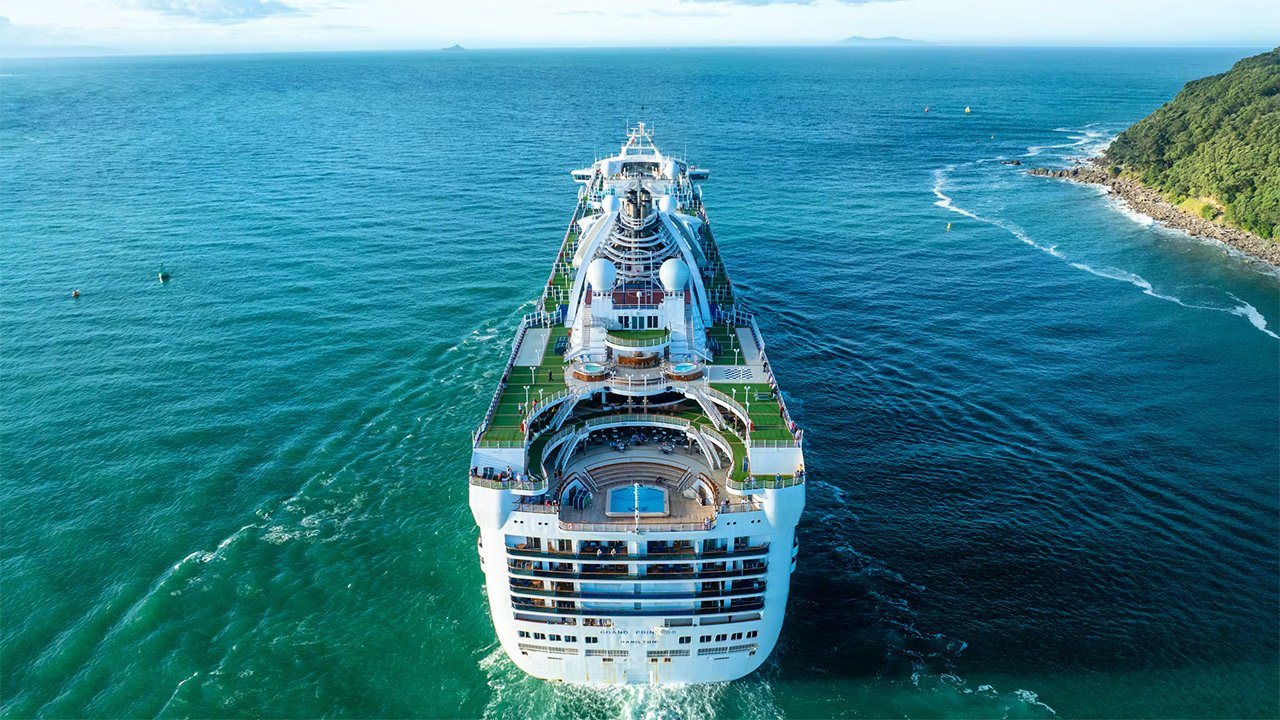
Mediterranean in October is a perfect example. By the time October rolls around, the summer rush has faded. The intense heat that can make sightseeing exhausting has eased, yet the sea is still warm and the cafés of Italy,Spain and Greece remain lively. Popular ports such as Rome, Barcelona and Athens feel noticeably calmer, with shorter queues at major attractions.
Japan in late autumn is another standout. November sailings often coincide with stunning autumn foliage, particularly in ports like Kyoto and Kanazawa. Temperatures are comfortable for walking tours and cruise fares can be more competitive once the cherry blossom crowds have gone.
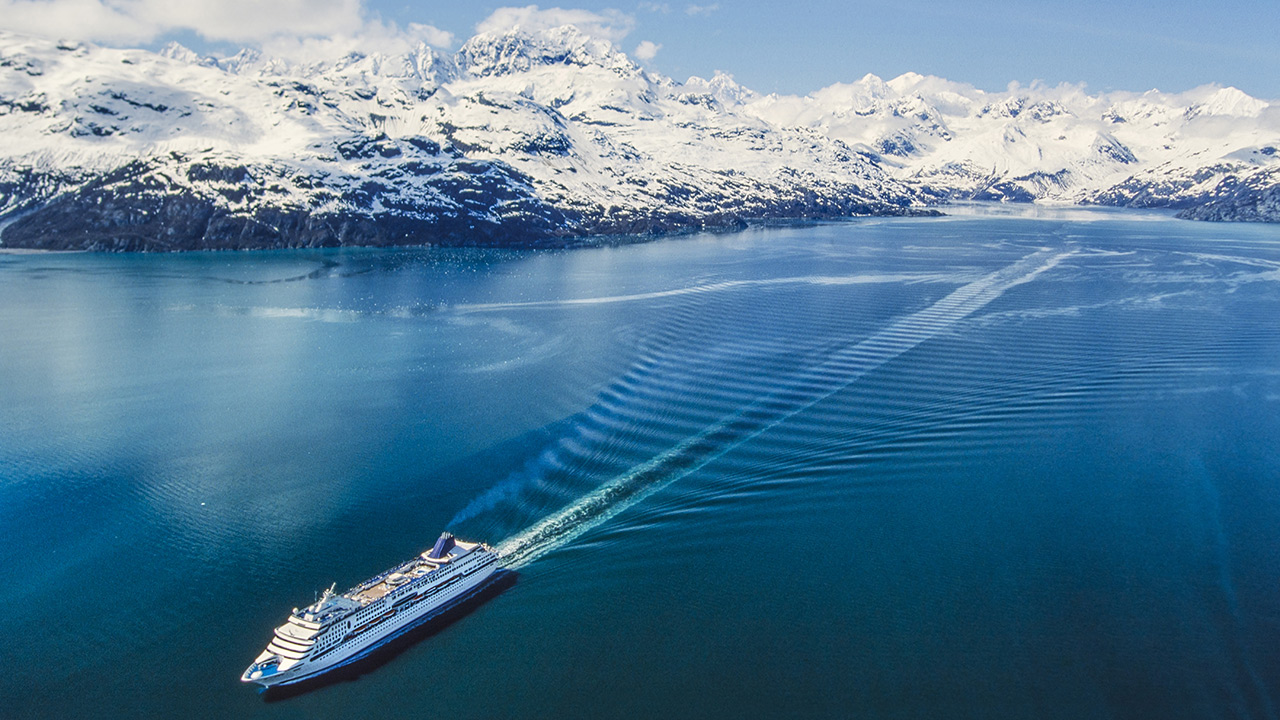
Alaska in May is another top contender. Early-season cruises often come with decent pricing and travellers may encounter fewer ships in port. Wildlife viewing can be excellent as animals emerge in spring and snow still crowns the mountain, making for gorgeous scenery without the busier midsummer atmosphere.
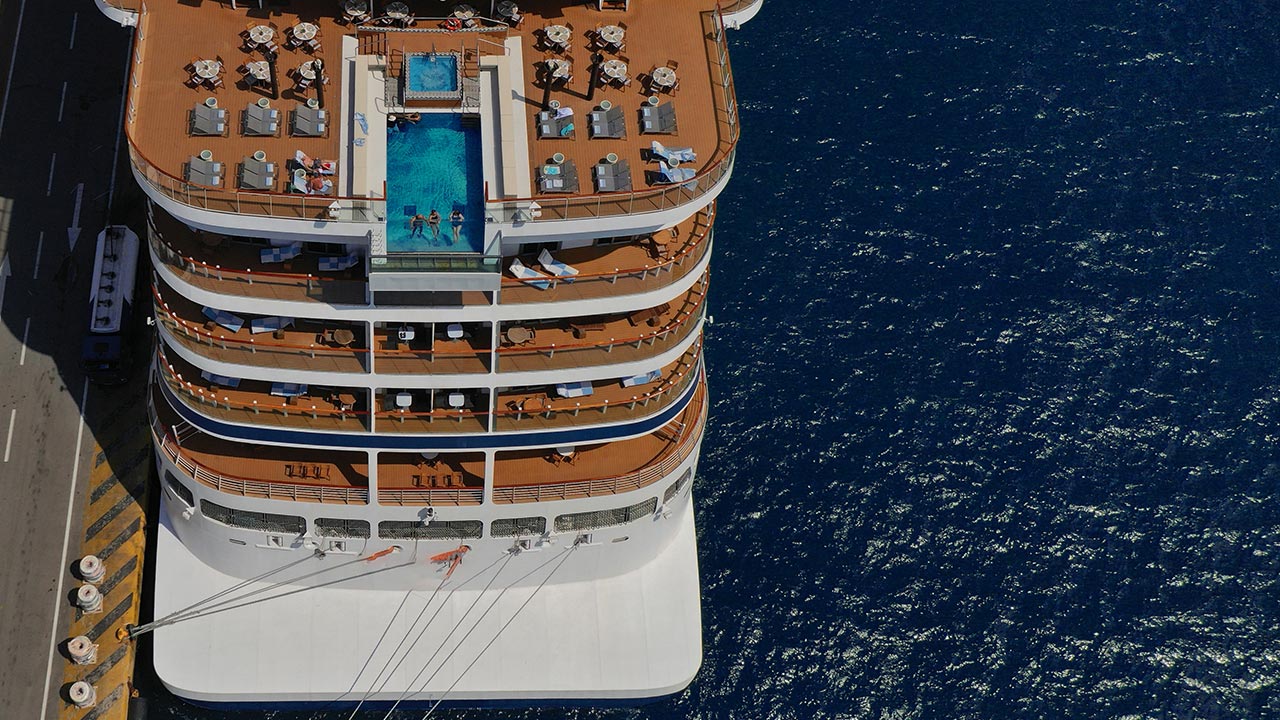
Shoulder season also brings practical advantages. Airfares can be lower and popular shore excursions are less likely to sell out. Onboard, dining rooms, theatres and pool decks feel more relaxed.
Of course, travellers should be mindful that weather can be less predictable than in peak season and some seasonal attractions may have shorter hours. But for many seasoned cruisers, that’s a small trade-off for better value and breathing space.
Looking beyond peak travel months way just might take your next cruise from crowded to quietly exceptional.
Images: Shutterstock