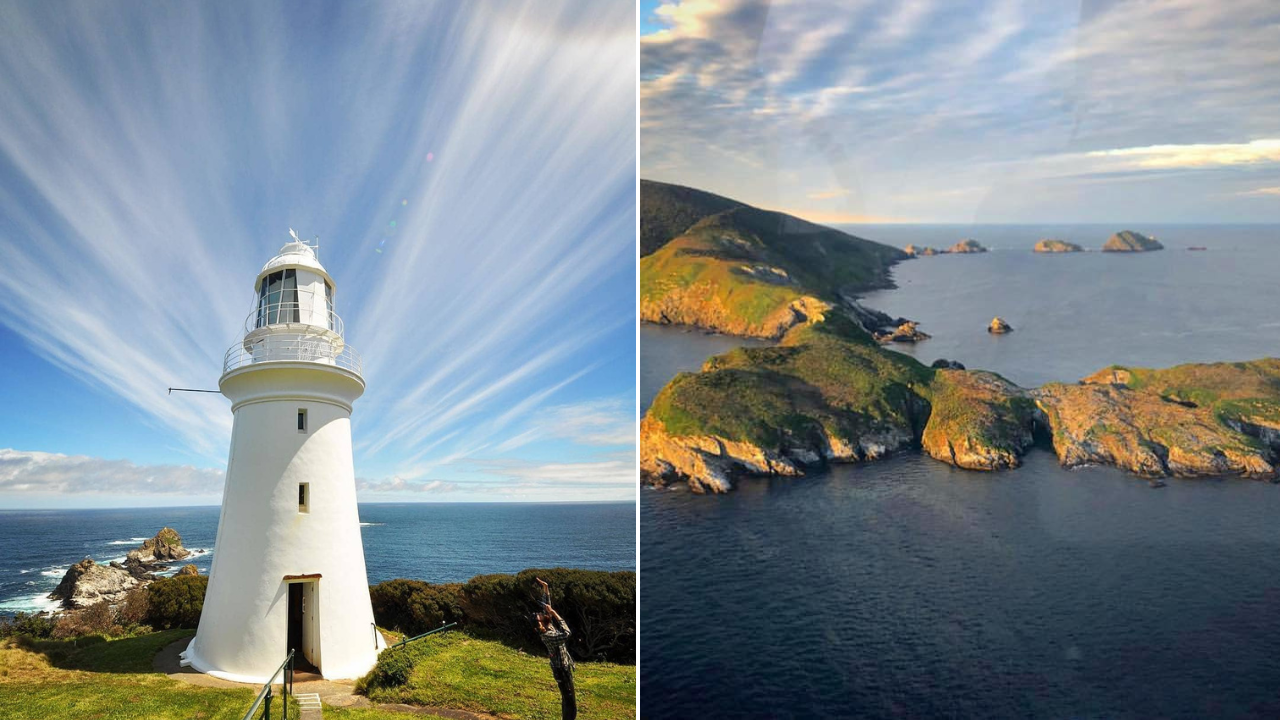
Applications are officially open for two adventurous souls keen to swap city traffic for roaring winds, wild seas and a lawn mower – all on one of Australia’s most remote islands. The catch? You’ll be working for free.
Maatsuyker Island sits about 10km off Tasmania’s south-west coast and forms part of the Tasmanian World Heritage Area. It’s remote, rugged and wildly beautiful – the sort of place that makes your weather app nervous.
The island’s lighthouse was built in 1981 and remained staffed until 1997, earning it the title of Australia’s last permanently manned lighthouse. These days, the original light has been replaced with an automated beacon – but the island still needs two volunteer caretakers to keep things ticking along.
Karen Hofman and James Ware famously ditched their corporate jobs to take on the role in 2022.
“We were in Tasmania travelling and I thought I’d look up to see if there were any volunteer positions going. The Maatsuyker Island job was up, and it was just perfect timing for us,” Hofman said.
Caretakers handle essential island duties such as lawn mowing, hedge trimming and clearing drains – all while being dramatically windswept.
The Bureau of Meteorology sweetens the deal with a $25-a-day payment to record two daily weather observations. Given the island’s temperament, that’s likely the most exciting diary entry you’ll ever make.
“They say if you don’t like the weather in Tasmania come back in half an hour but on Maatsuyker Island it was even more extreme than that,” Hofman said.
And she’s not exaggerating. The island has recorded wind gusts up to 200 km/hr and sees rainfall around 250 days a year – essentially a six-month spa treatment for your raincoat.
Despite the wild conditions, caretakers aren’t completely cut off. There’s AM radio, an emergency landline and internet access – so you can still check the footy scores while being gloriously marooned.
“That forced us to completely slow down and enjoy the island for everything it was giving us,” Ms Hofman said.
“You learn to live without convenience. You can’t just go get a carton of beer or a box of chocolates. It’s so good to be out of your comfort zone and experience a bit of inconvenience,” Ware said.
Volunteers can bring up to 700kg of food, linen and entertainment at the start of their six-month placement, with a small resupply halfway through.
During their stint, Karen and James discovered new hobbies.
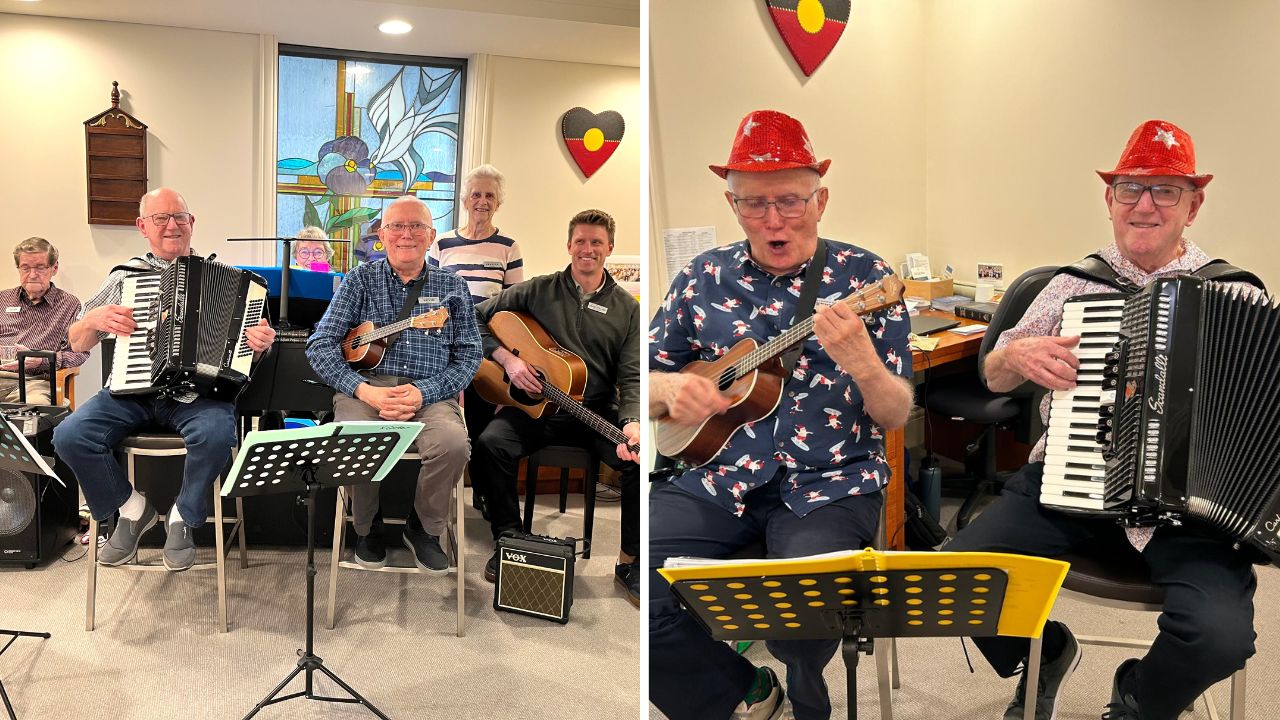
“I would encourage people to take up a hobby. Bring something you would like to learn, like a ukelele or knitting,” Hofman said.
“There are times when you just can’t get out because of the weather so just have things in place.”
Wildlife lovers will be thrilled to know they’ll be sharing the island with 800,000 shearwater birds, little penguins and several species of seal – essentially the cutest housemates imaginable.
Despite being unpaid, the role is no holiday. Applicants must submit a CV, demonstrate high fitness levels, have experience in remote environments and prove they can cooperate peacefully in isolation.
“[Parks Tasmania] have got to have confidence in you because they drop you off in a helicopter than pick you up six months later,” Ware said.
“We were quite happy to be stranded on an island together, which is part of the interview process,” Hofman said.
“I think they like our skills, but they look more at how we interact with each other to make sure we don’t kill each other after a few months.”
Applications close February 27, with six-month placements available between September 2026 and 2028 – perfect for anyone who’s ever fantasised about swapping office politics for actual wind politics.
Images: Instagram