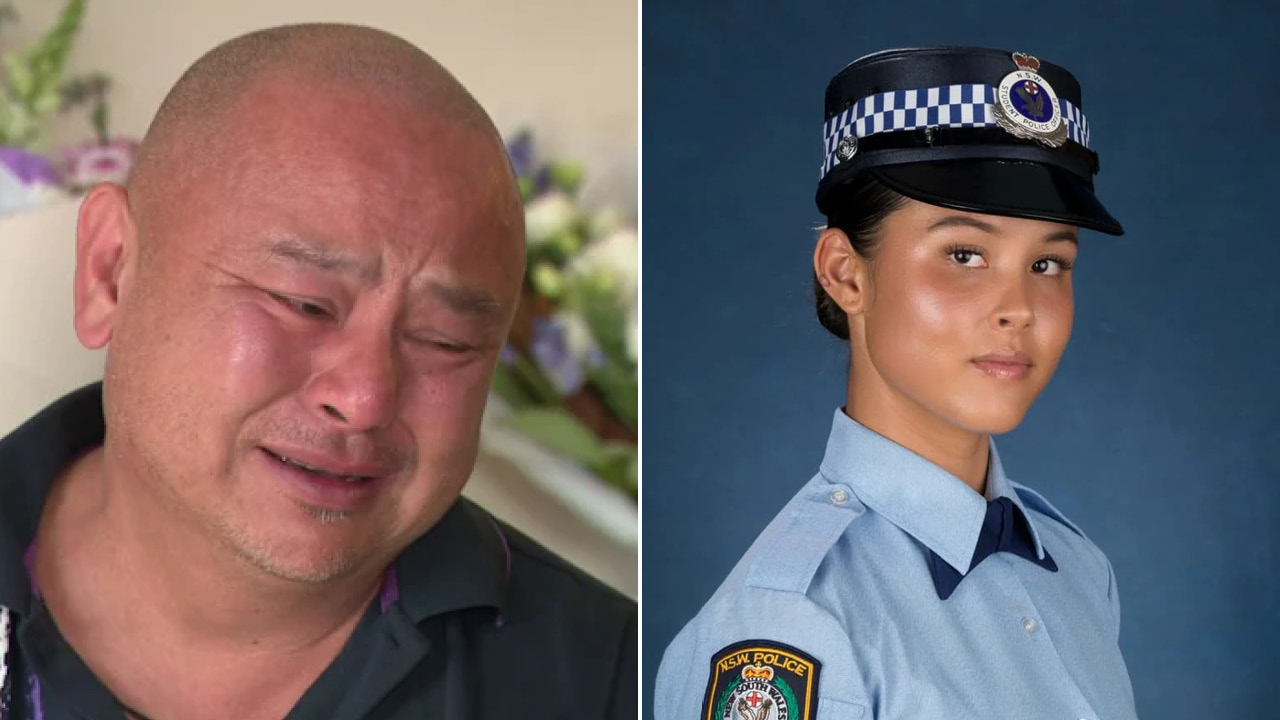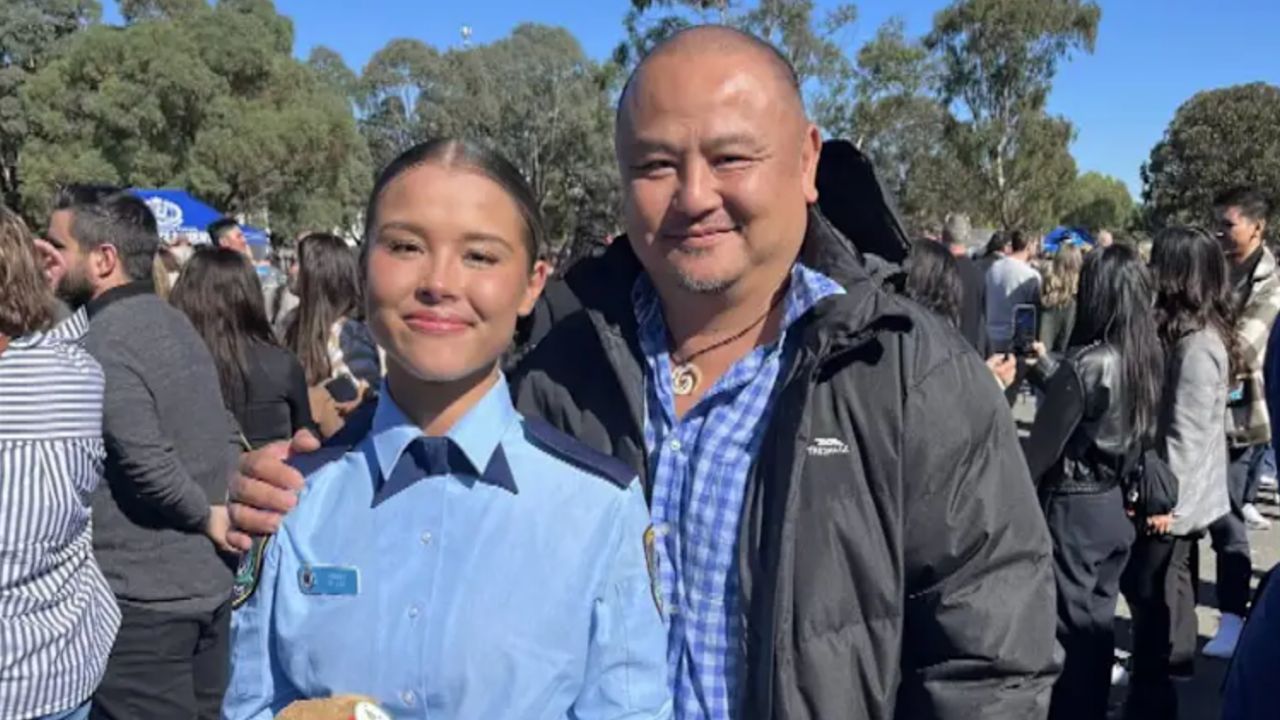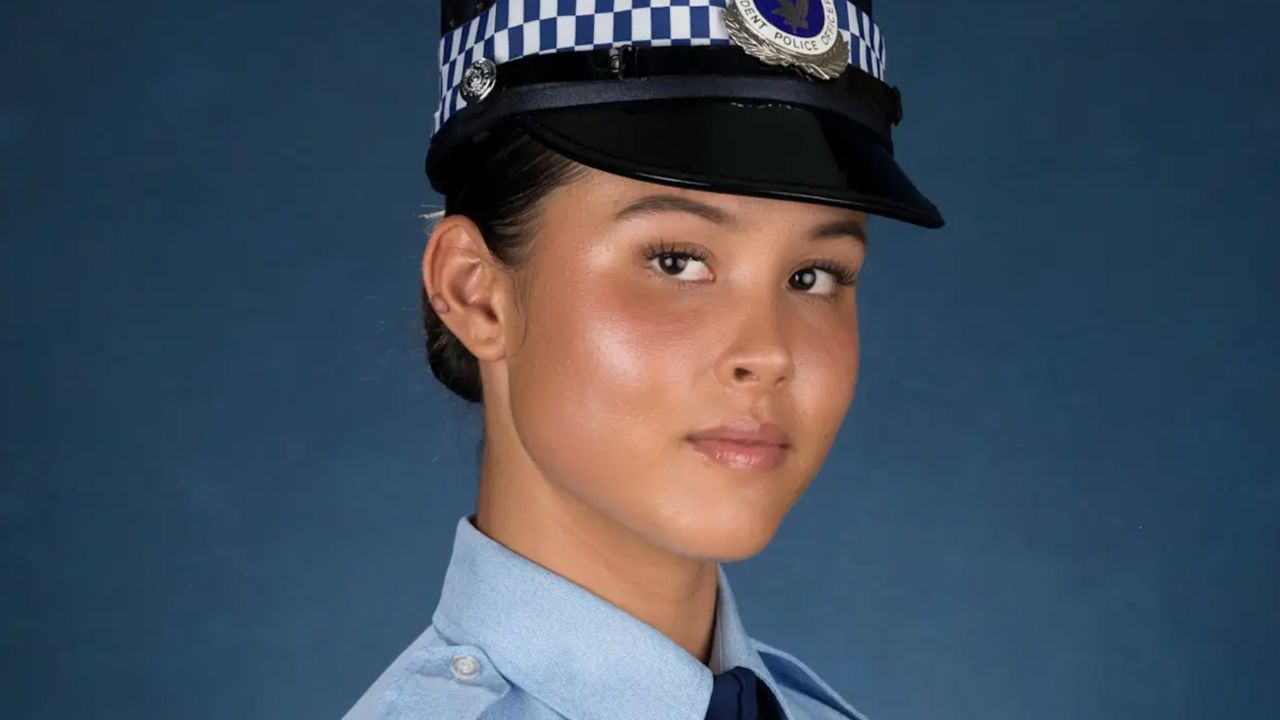
A young Canadian backpacker found dead on Fraser Island (K’gari) had been travelling around Australia on what her family described as the trip of a lifetime, as authorities continue to investigate the circumstances surrounding her death.
Piper James, 19, was discovered early Monday morning on the waterline near the Maheno shipwreck on the island’s eastern beach.
Two men driving along the beach found her body, which police say was surrounded by about 10 dingoes.
Her father, Todd James, paid tribute to his daughter on social media, remembering her warmth and determination.
“We will always remember her infectious laugh and her kind spirit. I admired her strength and determination to go after her dreams,” he wrote, according to Canadian media.
The teenager had arrived in Australia from Canada in November with a close friend, according to the Courier Mail.
An avid motocross rider, she spent several months travelling up and down the east coast, visiting Bondi Beach, surfing at Manly, spending time with friends in Cairns and sailing the Whitsunday Islands.
New details have since emerged suggesting there were signs of defensive wounds on her body, though police say the cause of death has not yet been determined.
Authorities confirmed there were markings indicating she had been “interfered with” by dingoes, which roam freely on the World Heritage-listed island.
An autopsy was scheduled for Wednesday, amid speculation that drowning could also be a contributing factor.
The backpacker had been camping with friends near the Maheno shipwreck when she decided to go for a swim at about 5am. Her body was found roughly 90 minutes later.
Fraser Coast Mayor George Seymour said it was difficult to understand how drowning alone could explain the circumstances.
“It looks likely, doesn’t it,” he said, when asked whether dingoes may have been involved.
“It’s just hard to imagine that she drowned and then was on the beach. If she drowned, she might have washed up on the beach days later.
“But to go swimming at 5am and be found at 6am – it does seem more likely [to be dingoes].”
The tragedy has renewed attention on long-standing safety warnings for visitors to K’gari.
On December 12, alerts were issued for “heightened dingo activity” in the area, following reports that they had been ripping tents, approaching campers and stealing food and personal belongings.
The warnings remain in place for the summer holiday period until January 31.
“Rangers are urging visitors to be dingo-safe at all times on K’gari after heightened dingo activity has been recorded at several locations along the eastern beach,” the alert states.
“It is recommended that visitors be extra vigilant in these areas and consider camping in a fenced … camping area.
“Ensure no food or strongly scented items are stored in tents and that all food and rubbish is securely stored in strong lockable containers or vehicles.”
Rangers increased patrols on the island following Monday’s incident.
Seymour said visitors to K’gari were regularly reminded of the risks associated with the island’s natural environment.
“You cannot go over to K’gari without being bombarded with safety messaging about dingoes and about driving, and I think that’s probably saved more lives than we would know over the years,” he said.
“In the end, it is a wilderness. It’s preserved. It’s World Heritage-listed for the natural values, which include dingoes, and it’s why people want to go there – and there are risks with that.”
Fatal dingo attacks are rare, with the last recorded incident occurred almost 25 years ago, in April 2001, when nine-year-old Clinton Gage was fatally mauled while holidaying on the island.
“In that time, there have been multiple deaths from vehicle rollovers, shark attacks, drownings, so it (dingo attack) is certainly not the most dangerous thing on K’gari,” Seymour said.
Image: Facebook