Accused Bondi Beach shooter Naveed Akram reportedly made two requests while being treated in hospital under police guard, days after the devastating attack that claimed the lives of 15 people.
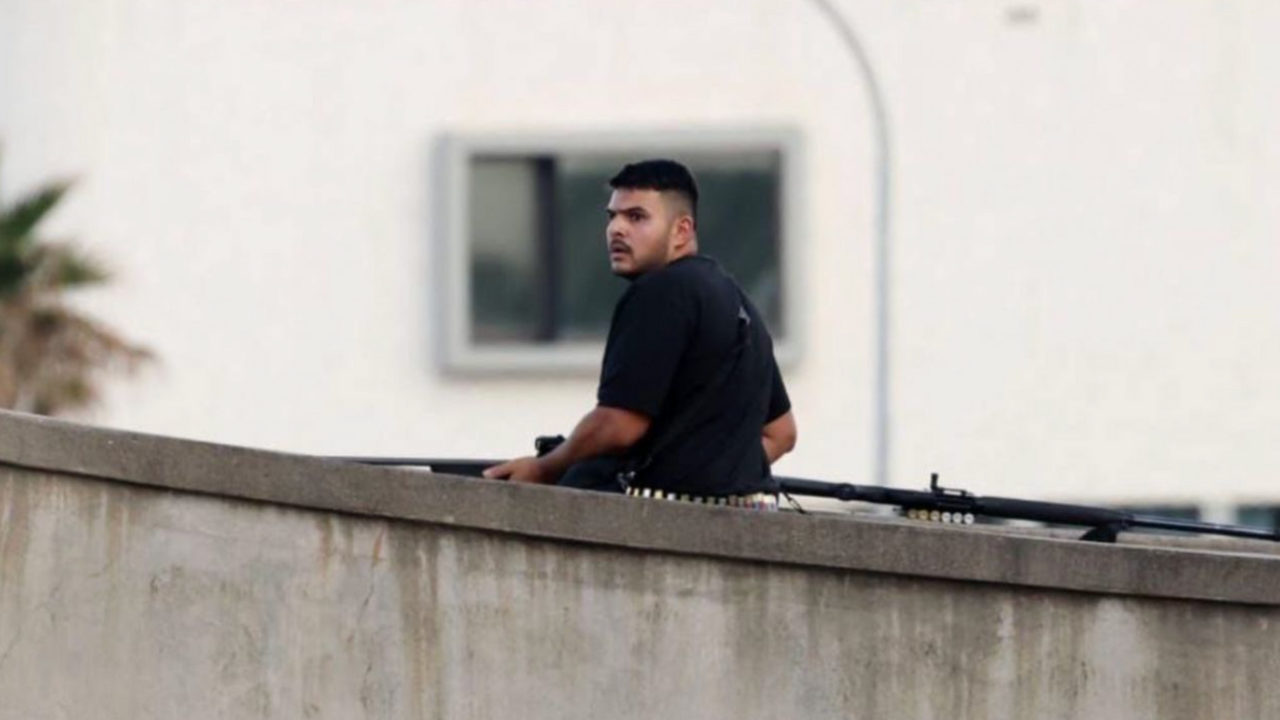
The 24-year-old has been charged with 59 offences, including 15 counts of murder and offences relating to committing a terrorist act, following the alleged shooting at a Jewish festival during the first night of Hanukkah at Bondi Beach on December 14.
Police allege Akram acted alongside his father, Sajid Akram, in a premeditated attack that lasted just over six minutes.
Sajid Akram, 50, was shot dead by police at the scene, while Naveed Akram was badly injured.
According to The Sunday Telegraph, while detained at Long Bay Hospital in Sydney, Akram requested to speak with a Muslim chaplain and asked for a copy of the Quran.
Ahmed Kilani, a private contractor working with NSW Corrective Services, agreed to meet with Akram. Prison sources described the accused as “polite” and “compliant”.
The meeting reportedly lasted between 10 and 15 minutes and is understood to be the only non-legal and non-medical visit Akram has received since his imprisonment.
Akram was also granted access to a copy of the Quran and is understood to have spent much of his time alone reading.
NSW Corrective Services states that chaplains are not public service employees but are permitted access to correctional facilities through an accreditation process or with approval from the commissioner.
“Chaplains are from various faith traditions, including Christian, Muslim, Jewish, Buddhist, and Sikh. They are trained to minister to inmates and staff of many faiths or without religious faith,” the department’s website states.
“Chaplains work alongside other professionals in correctional centres to ensure that the needs of the whole person are being addressed.
“A chaplain is expected to be a listening, caring, and familiar figure who gives comfort and encouragement. They are to be accepting, objective, and trustworthy, conveying reliability and reassurance.”
Kilani, who also supported victims following the Christchurch massacre in 2019, is one of several chaplains working with corrective services across different faith traditions.
Jewish leader Rabbi Eli Schlanger, who was killed in the Bondi shooting, was described by Kilani as a “prison chaplain colleague” in a public tribute.
“As a Muslim, I want to say this clearly: violence against innocent people has no place in my faith or in any faith,” he wrote.
“Islam teaches the sanctity of life, compassion, and standing for humanity in moments of pain like this.
“My deepest condolences go to the families and loved ones of those who lost their lives. Especially my Prison Chaplain colleague, Rabbi Eli Schlanger, and his family.
“There are no words that can ease this kind of grief, but please know you are in our thoughts and prayers.”
In a separate post, Kilani reflected on his work as a volunteer Disaster Recovery Chaplain following the Christchurch terror attack, which claimed 51 lives.
“I spent a week getting by on 3-4 hours of sleep everyday supporting the victims and their families, washing dead bodies, attending funerals everyday and doing media interviews,” he wrote.
“I have first hand experience of the enormous emotional and psychological pain that impacts a community when tragic events like this happen.
“To this day I have to remain very composed when I discuss my experiences so I don’t break down.”
Akram has since been transferred to the Goulburn High Risk Management Unit (HRMU), commonly known as Supermax, where he is being held in isolation from other inmates.
The facility has previously housed some of Australia’s most dangerous prisoners, including convicted terrorists, serial killer Ivan Milat, and gang leader Bassam Hamzy.
Images: X (Formerly Twitter)