Labor’s proposed hate speech legislation has sparked warnings from free speech advocates that Australia could follow the UK’s approach, where dozens of people are reportedly arrested each day over offensive online posts.
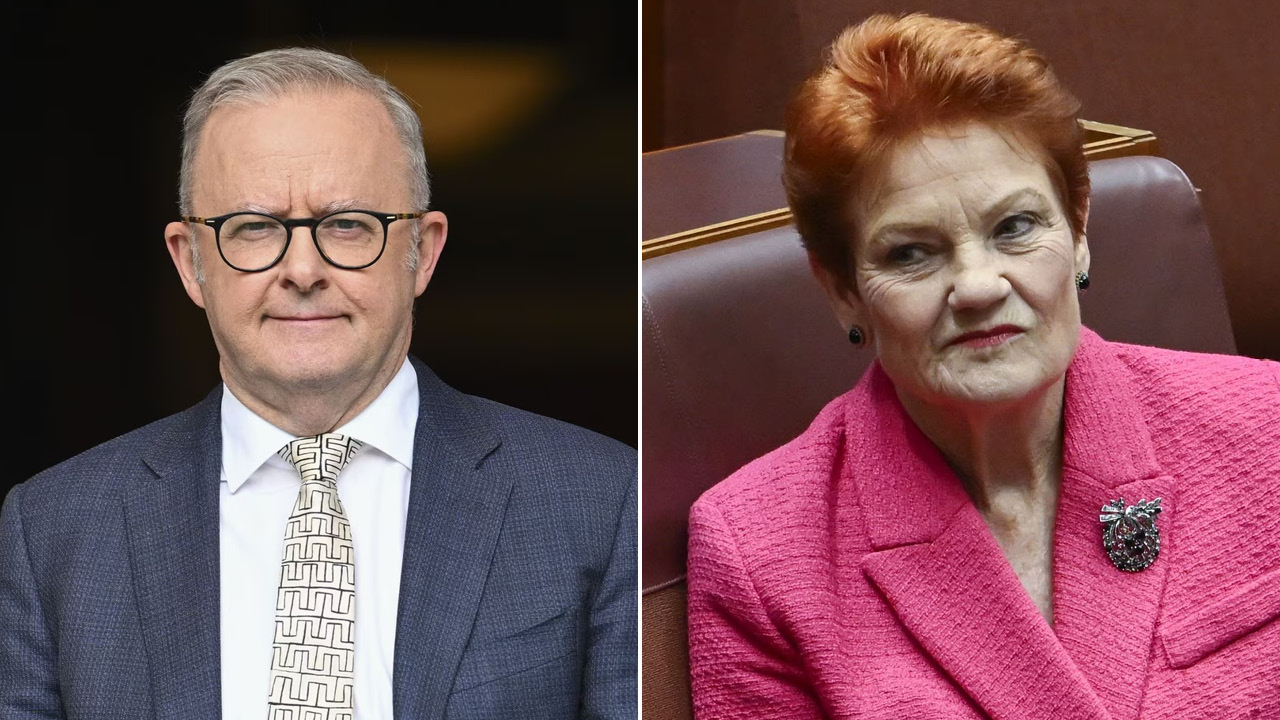
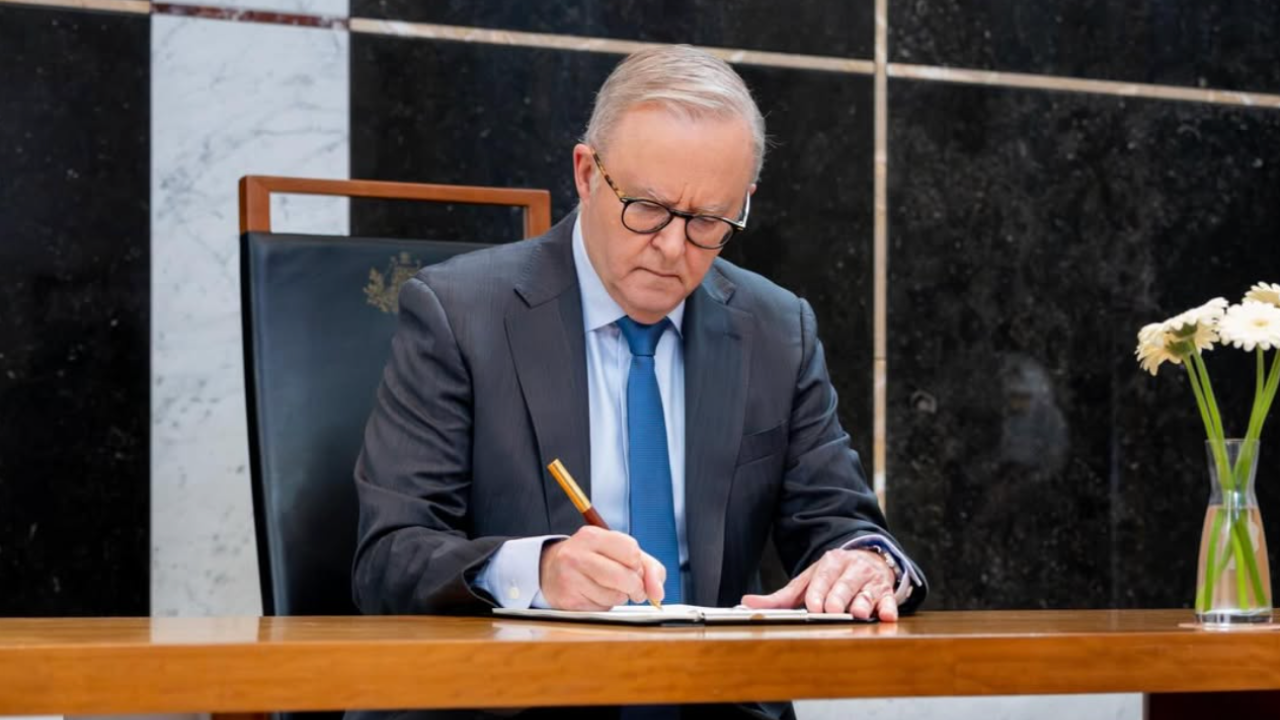
The Combatting Antisemitism, Hate and Extremism Bill 2026, unveiled by Prime Minister Anthony Albanese on Monday in response to the December 14 Bondi Beach terror attack, proposes wide-ranging changes to security, migration and speech laws.
Albanese has recalled parliament ahead of a vote on the legislation scheduled for Tuesday, as Labor faces opposition from both the Coalition and the Greens, who on Thursday labelled the bill “unsalvageable”.
The Free Speech Union of Australia (FSU), a non-profit advocacy group, said the most worrying aspect of the draft legislation was the creation of a new racial vilification offence.
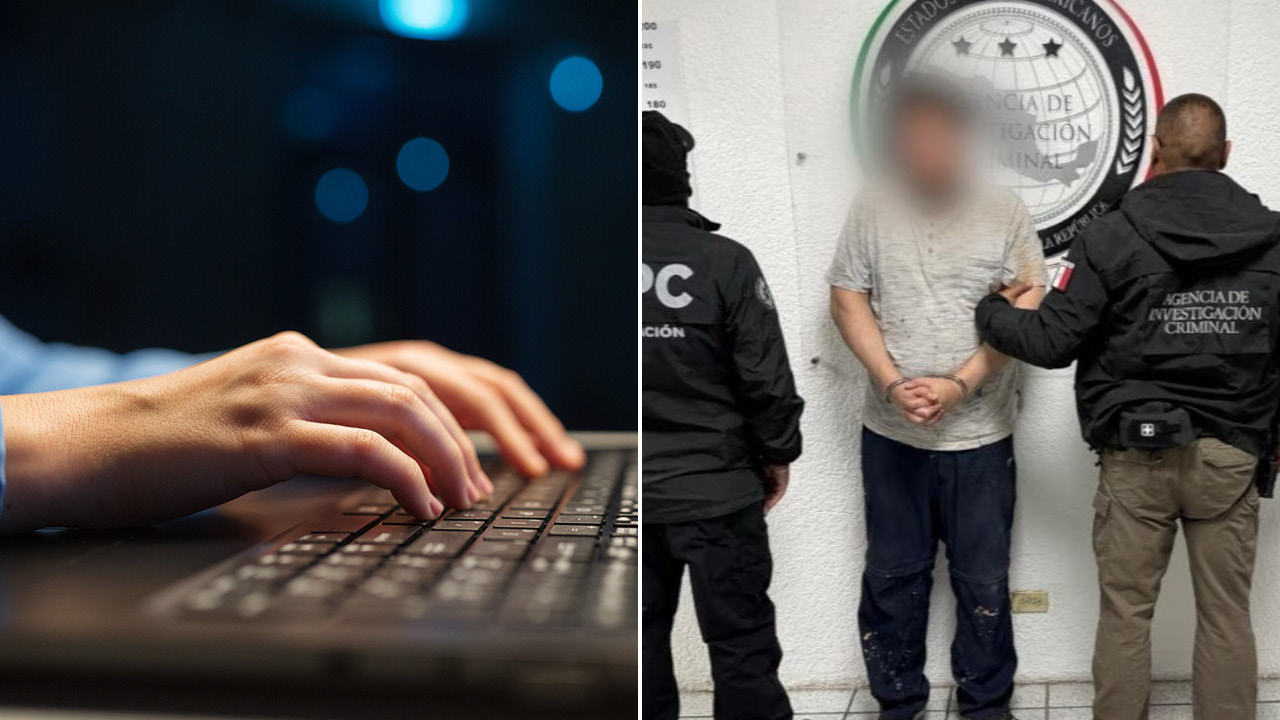
“This is an expanded copycat of provisions in the UK that are being used basically to arrest 30 people a day (for social media posts),” said Dr Reuben Kirkham, a director of the FSU.
“The UK provisions are a lot less severe than this one. In the UK the speech actually has to be likely to incite racial hatred. In this case all it has to do is cause someone to fear harassment, which is a very low test. It doesn’t even have to cause racial hatred. There’s no defence (if you) didn’t intend to disseminate (offending material).”
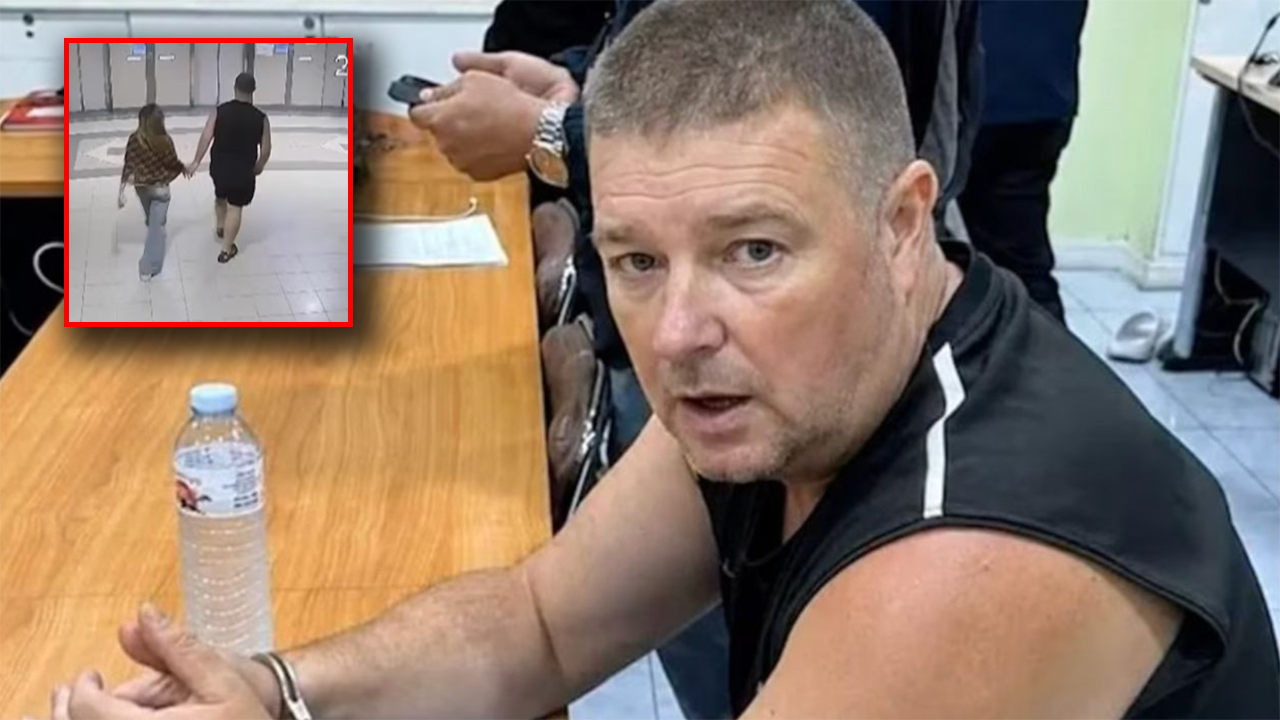
Custody data obtained by The Times last year found UK police were making about 12,000 arrests annually over offensive social media posts.
In one case, a blogger was arrested in the middle of the night after sharing a meme that read “f*** Hamas”. He was later released without charge.
Under Section 5 of the proposed Australian legislation, it would be a criminal offence to publicly promote or incite racial hatred against a person or group “because of the race, colour or national ethnic origin of the target or target group”, or to “disseminate ideas of superiority over or hatred of another person, or group of persons, because of the race, colour or national or ethnic origin of the target or target group”.
The offence would apply where “the conduct would, in all the circumstances, cause a reasonable person who is the target, or a member of the target group, to be intimidated, to fear harassment or violence, or to fear for their safety”.
The bill states it is “immaterial” whether the target or members of the target group “actually are distinguished by the particular race, colour or national or ethnic origin”, whether the conduct “actually results in hatred”, or whether it “actually results in any person feeling intimidated, fearing harassment or violence, or fearing for their safety”.
The legislation defines “conduct in a public place” as communication to the public “using any form of communication … including speaking, writing, displaying notices, graffiti, playing of recorded material, broadcasting and communicating through social media and other electronic methods”.
“Note: Public place is defined in the Dictionary,” it states.
“To avoid doubt, a person may engage in conduct in a public place even if the conduct occurs on private land.”
Dr Kirkham said the bill would have a “remarkable chilling effect on free speech” if enacted.
“They’re going to pass horrible censorship laws that are not going to protect Jews, it’s entirely performative,” he said.
“(This is a) Labor Party crisis of their own making. They’re too busy policing speech they don’t like to prevent terrorism. They’re not enforcing (existing) laws. This will be selectively enforced on speech they don’t like — debates on immigration they don’t like, debates on gender, Islamophobia … it’s all about censorship.”
The 144-page bill also proposes a framework allowing the Attorney-General to designate “prohibited hate groups”, making membership, recruitment and funding criminal offences.
Additional measures include aggravated offences for religious or spiritual leaders who incite hatred and stricter visa rules enabling cancellations based on public statements that promote racial or ethnic superiority.
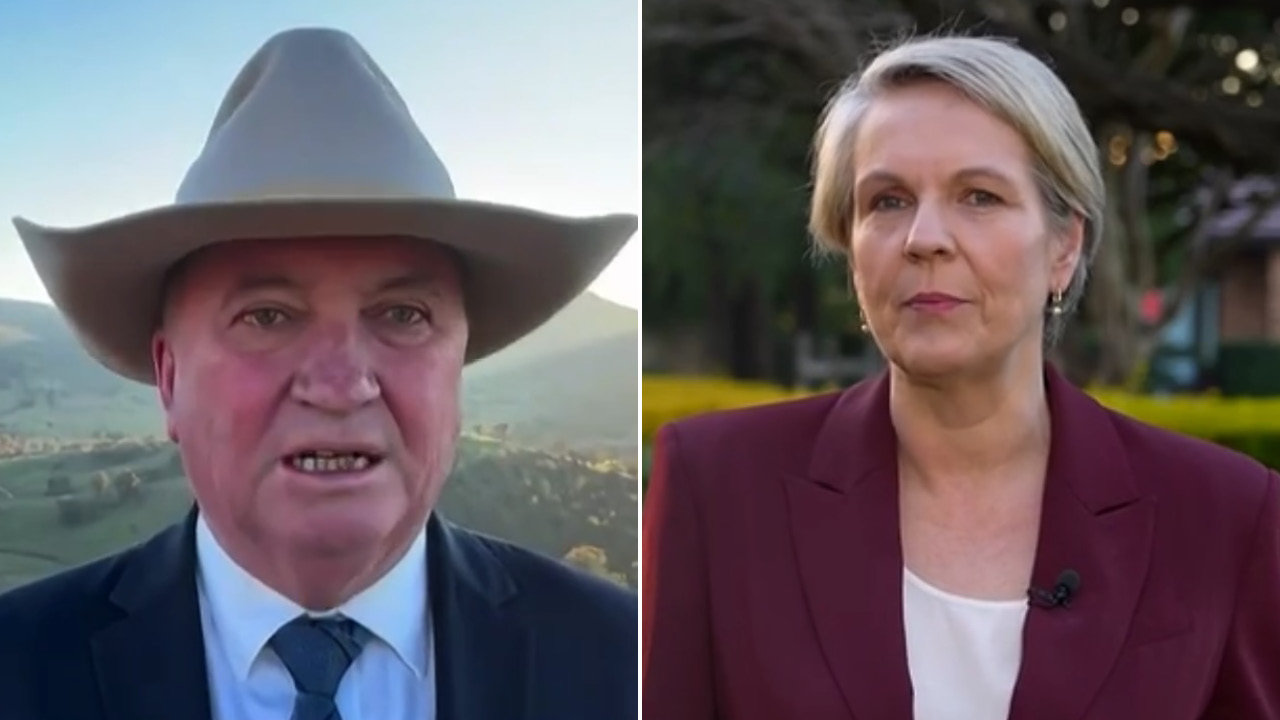
Attorney-General Michelle Rowland said the government acted with “urgency and care” in developing the legislation.
“Let me be clear, once these laws are passed, they will be the toughest hate laws Australia has ever seen,” Rowland told reporters.
Nationals Senator Matt Canavan said the proposed laws “threaten the free speech of all Australians, not just those that have engaged in inciting violence since October 7”.
“We have a perverse outcome where an attack conducted by evil people will potentially result in the rights of all Australians being restricted,” he said.
“The better approach is to target those people committing crimes.
There have been crimes, in my view, committed by hate preachers inciting people to violence in the past few years, but those crimes have not been prosecuted – so why do we think new laws are the solution when the old laws are not being enforced?”
Senator Canavan said several elements of the bill were troubling, including provisions with retrospective effect.
The draft legislation defines a hate crime as causing serious harm to a person, serious damage to property, a person’s death, endangering life, or creating a serious risk to public health or safety.
A prohibited hate group must have advocated, engaged in, or planned a hate crime based on race, colour, or national or ethnic origin.
One legislative example refers to “inciting anti-Semitic hatred against Jews in the public place where a reasonable member of the Jewish community would be intimidated or fear violence”.
The bill extends the definition of hate crimes – including banned symbols or Nazi salutes – to conduct that “was engaged in at a time before [the provision] commenced”, and “would constitute an offence against the provision had the provision been in force at that time”.
“Laws should only be retrospective in the most extreme cases,” Senator Canavan said.
“It’s very dangerous territory here about … drifting into criminalising legitimate political commentary. As repulsive as the ideas of fascists or communists are, I don’t think the right approach is to criminalise fascism or communism. The right approach is to defeat those ideas on the battlefield of free speech.”
He said the bill’s passage was “not a done deal”.
The Coalition party room is expected to meet on Monday ahead of Tuesday’s vote.
Images: Instagram