In the days following the terror attack that claimed 15 lives at Bondi Beach on Sunday, scrutiny has intensified over the federal government’s role in preventing such violence.
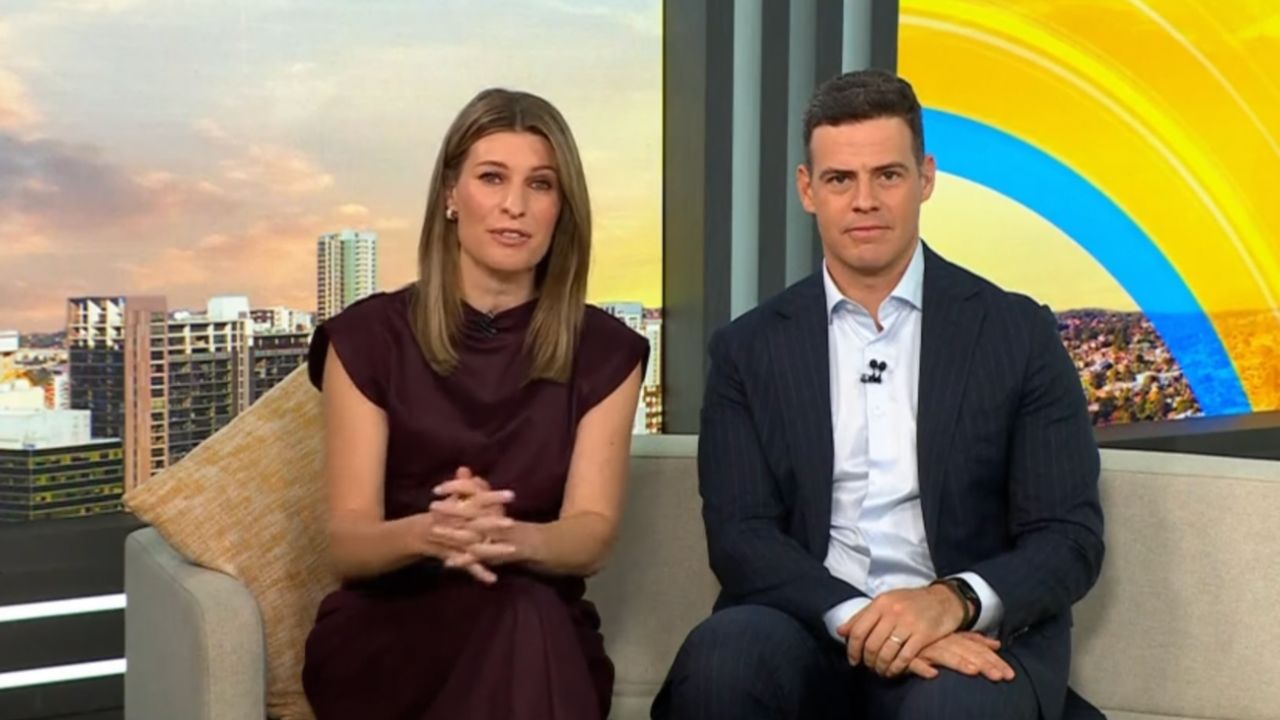
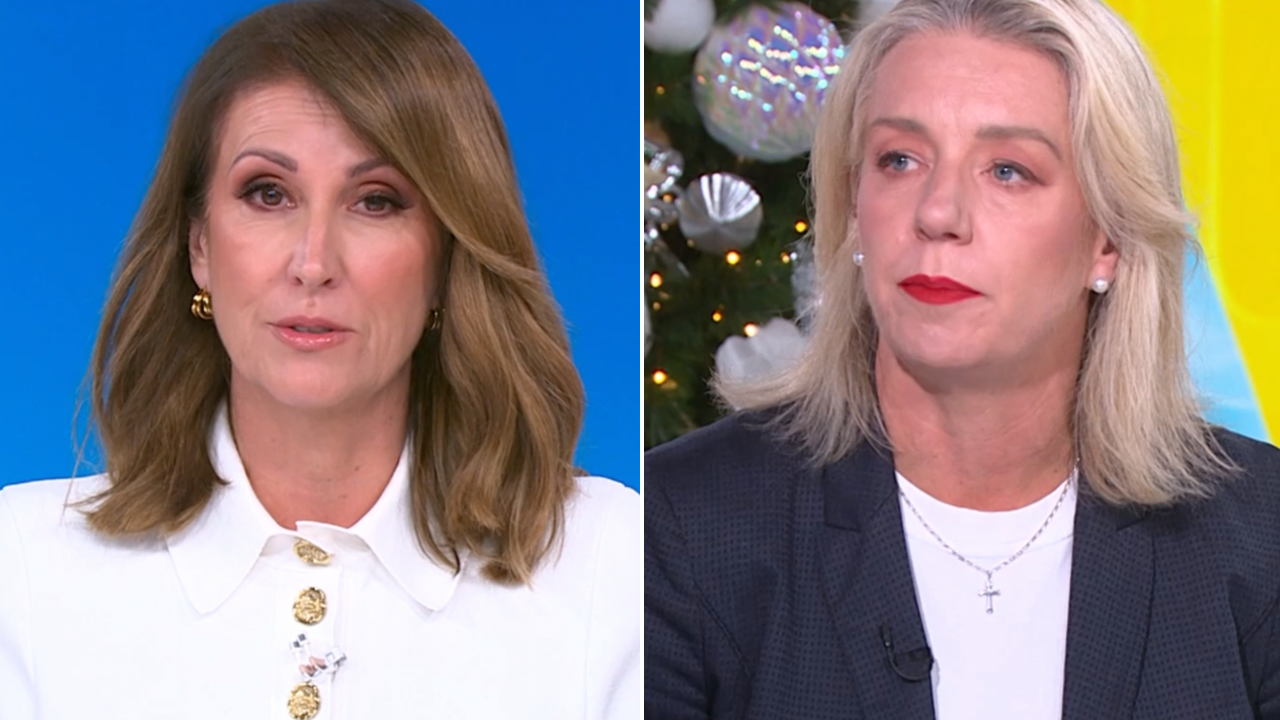
On Wednesday, Sunrise host Nat Barr posed a question reflecting widespread public concern: how could Prime Minister Anthony Albanese have stopped the attack?
The federal government’s renewed push for tougher firearms legislation in the wake of the shootings has been described as a “diversion” by former prime minister John Howard, with critics arguing systemic failures extend beyond gun laws.
The attack has nevertheless drawn attention to gaps in Australia’s firearms framework, including the absence of a limit on the number of guns an individual may own in New South Wales and the fact that several reforms recommended after the Port Arthur massacre remain incomplete.
However, Nationals Senator Bridget McKenzie told Sunrise that focusing solely on firearms avoided confronting what she described as the central issue.
McKenzie said the government’s emphasis on gun reform was “a failure to name the actual reason that Jews were shot on the iconic Bondi Beach over the weekend”.
“Islamic terrorism is now on our shores. It’s not the gun, it’s Islamic terrorism,” she said.
“If you’re going to fix something, you need to be able to name it.
“It is much easier to say it’s the gun, we need gun reform, instead of actually standing up as prime minister and accepting the fact that the global intifada is now here on our shores and has visited so many families, and our broader Australian community.”
When Barr asked how the prime minister could have intervened to prevent the attack, McKenzie pointed to what she characterised as months of inaction following the October 7, 2023, Hamas attacks in Israel.
“You’ve seen a government that, since the October 7 attacks by Hamas in Israel, turned a blind eye to protests where chants like ‘river to the sea’ were made, where terrorist flags and symbols were flown on our streets,” she said.
“Our Jewish community (was) spat on, businesses boycotted, synagogues bombed, and children going to kindergarten under armed guard.”
McKenzie said the government had treated anti-Semitism as “equivalent with Islamophobia”.
“They’ve got their own anti-Semitism report handed down, they’ve done nothing on it,” she said.
“And that is why there is a deep fury, not just in our Jewish community but in the broader Australian society, because our country is broken now.
“The great privilege of government is that you have a responsibility to stand up when needed and they haven’t.”
Attention has also turned to Australia’s intelligence and security agencies, following comments by ASIO Director-General Mike Burgess, who acknowledged the agency was stretched by the volume of threats it is monitoring.
“I think it’s a brave leader of an organisation that says they’re under-resourced, because governments don’t like to be put under the bus,” McKenzie said.
“We need to be seeing additional resourcing for our security agencies.”
Police allege Sajid Akram, 50, and his son Naveed Akram, 24, used long rifles to open fire from a footbridge at Bondi Beach on Sunday night, killing 15 people, including two rabbis, a 10-year-old girl and a Holocaust survivor.
Authorities have confirmed Sajid held a firearms licence since 2023, was a member of a Bonnyrigg gun club and the Zastava Hunting Association, and legally owned six firearms. His son was known to security agencies prior to the attack.
“You can’t be a person of interest and be anywhere near anyone with a firearm licence,” McKenzie said.
“There is a lot to come out as this is investigated seriously.”
Former NSW Police detective superintendent Robert Critchlow said the circumstances surrounding the case raised serious concerns.
“I’m on record saying I don’t like guns, the less the better,” he said.
“If someone’s involved in an immediate family that’s a risk, there shouldn’t be firearms in that house.”
While acknowledging legitimate firearm use in rural or animal control settings, Critchlow questioned the necessity of such access in suburban Sydney.
Despite the political debate and increasing pressure on authorities, he warned against misdirecting responsibility.
“We’ve got to keep the blame on the bad people who did the bad things,” he said.
Images: Sunrise