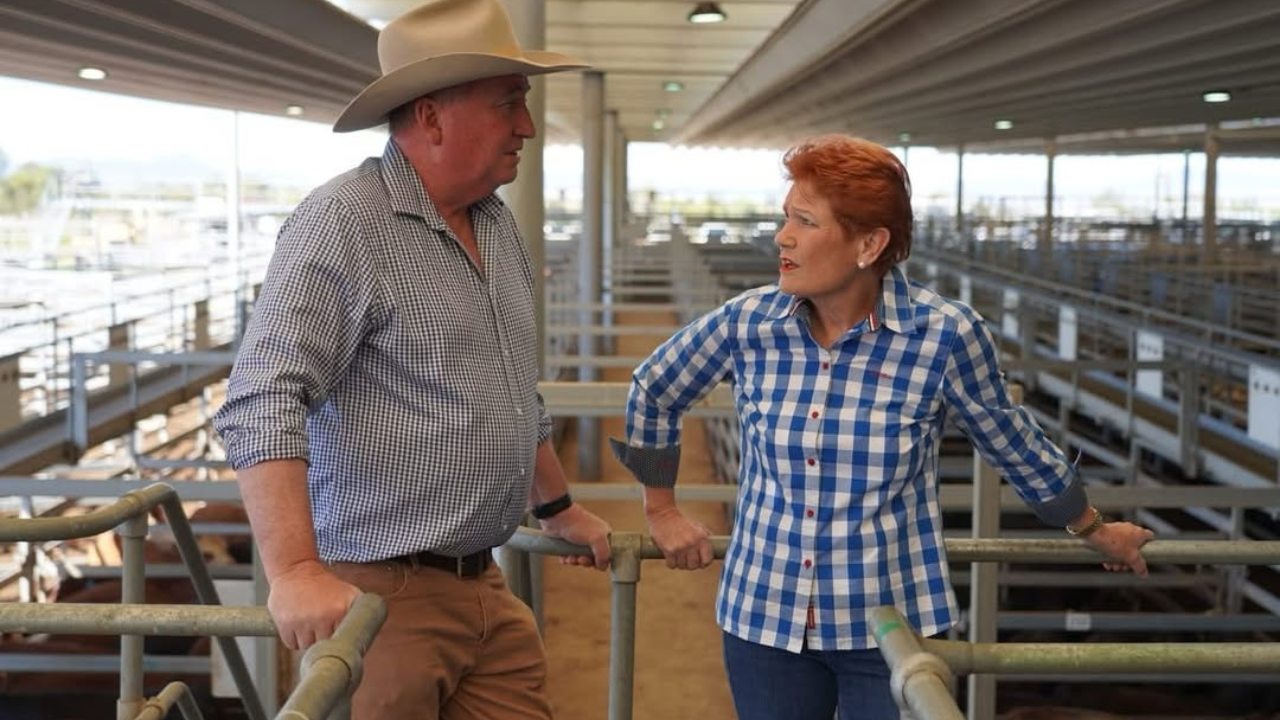
New polling shows One Nation has reached its highest level of support, following Barnaby Joyce’s defection and Pauline Hanson’s widely criticised burqa stunt.
The Guardian Essential Poll, released on Wednesday, recorded the right-wing populist party at 17 per cent on the primary vote – its strongest result to date.
The figure places One Nation behind Labor’s 34 per cent primary vote and the Coalition’s 26 per cent.
The surge comes days after Hanson announced that renegade former Nationals MP Barnaby Joyce would defect to One Nation and head the party’s 2028 NSW Senate ticket.
The Guardian poll of 978 voters, conducted last week before Joyce’s defection, indicated the public was divided over his decision to join the minor party.
Just over 30 per cent said they would be more likely to vote for One Nation if Joyce became its leader, while 42 per cent said they would be less likely to.
Respondents were similarly split on Hanson’s widely condemned burqa stunt in the Senate last month, which resulted in her suspension for the final sitting week.
Forty-two per cent of voters said they were less likely to support One Nation after the stunt, while 35 per cent said they were more likely to.
Wednesday’s result also reflects an increase from last month’s Newspoll, which put One Nation’s primary vote at 15 per cent.
As recently as April, support for One Nation sat at nine per cent, according to the poll. In June 2024, it was just five per cent.
At the 2025 federal election, One Nation recorded a 1.44 per cent swing on the national first-preference vote, receiving 991,814 ballots.
The outcome doubled the party’s Senate representation to four senators.
Hanson, a longstanding figure of political controversy, has increasingly shifted her focus to NSW – a state where One Nation currently holds no representation after multiple high-profile defections, including that of former NSW party leader and one-time prime ministerial aspirant Mark Latham.
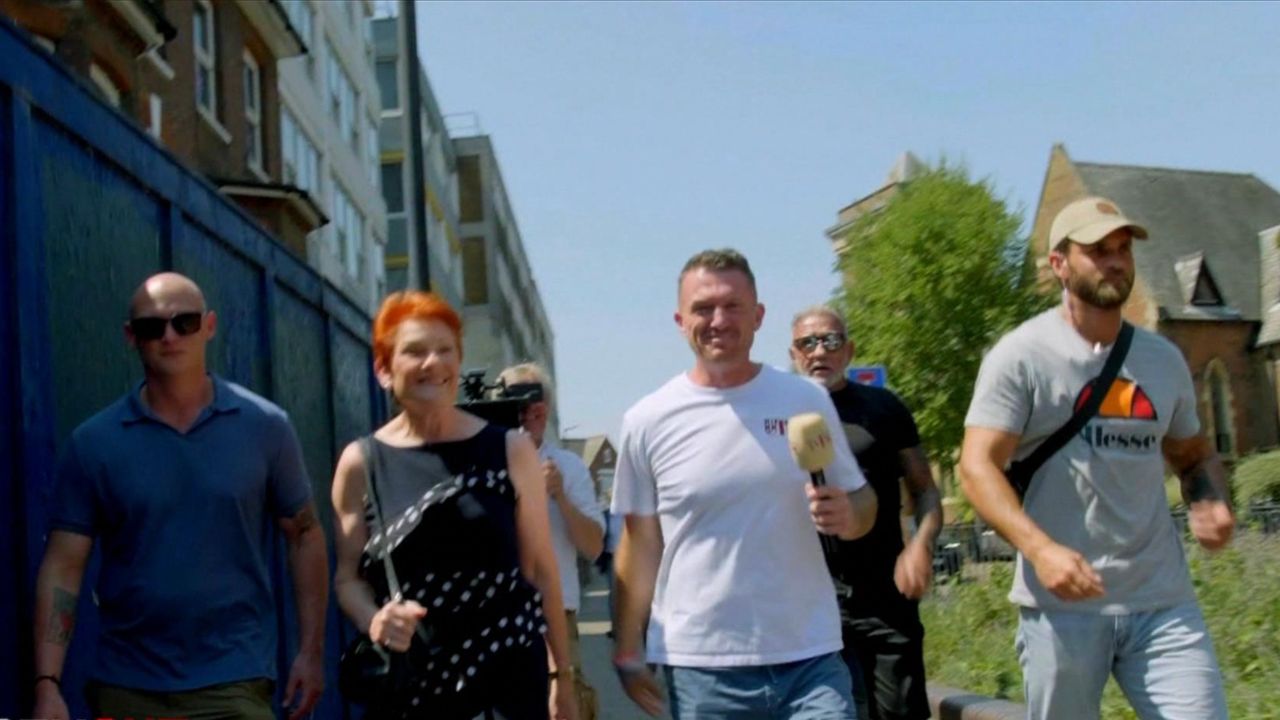
Since the election, Hanson has become a frequent presence at so-called anti-immigration rallies. Appearing at an Australia First event in Melbourne last month, she said the party would field candidates in Victoria at the next election.
Hanson said she “welcomed those people who have come here to find a new life for themselves and their families and future generations”.
“They’ve worked hard to be part of this great nation,” she said.
“But it breaks my heart to see the division that is happening, the division that is happening especially in this state.”
Shortly after her remarks, a counter-protester shouted “go home, Pauline” before being escorted away amid jeers from the crowd.
Conducted in the lead-up to the Christmas period, the polling also highlighted widespread pessimism among Australians regarding cost-of-living pressures and housing affordability.
Although the survey was completed before Tuesday’s cash rate decision, 60 per cent of respondents said they were pessimistic Australia would “be able to deal” with rising living costs.
Nearly three in four respondents expressed concern that groceries, energy, and rent or mortgage payments would increase in 2026, while 58 per cent said they were pessimistic about affordable housing.
Half of those surveyed said they were pessimistic about migration – a topic that has dominated political debate in recent weeks – and 61 per cent worried the world was becoming more divided.
Images: Instagram