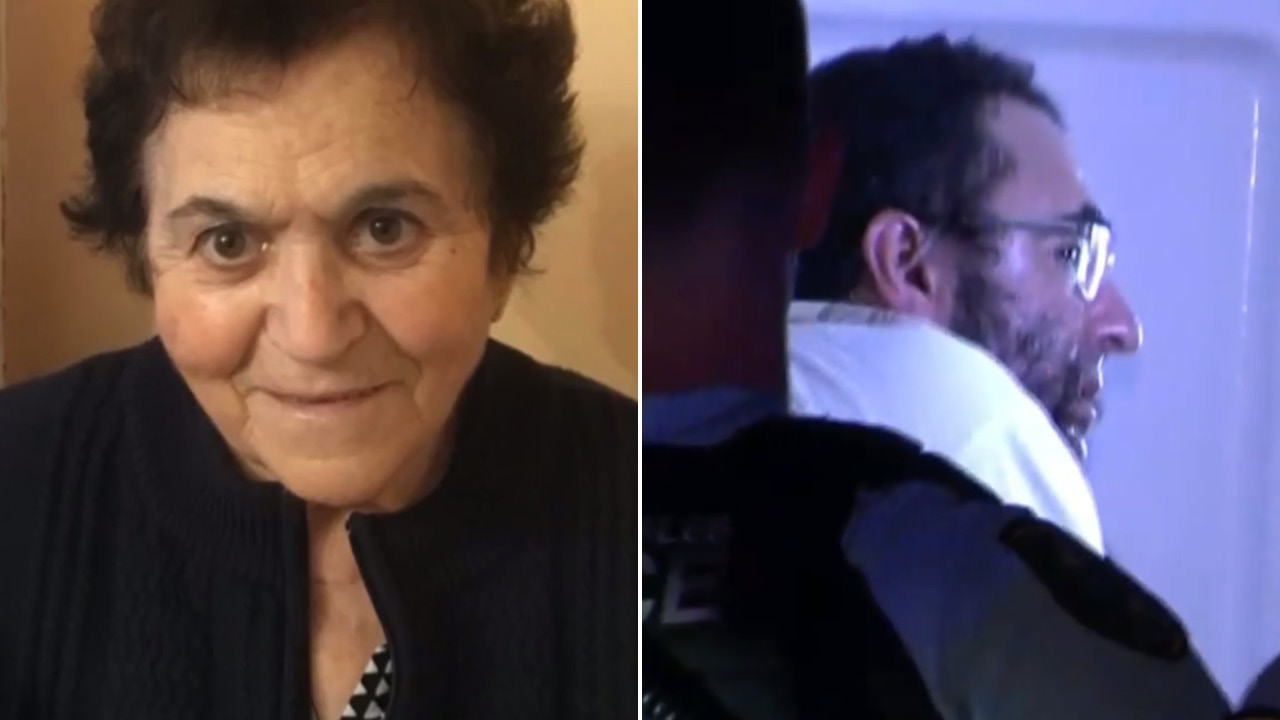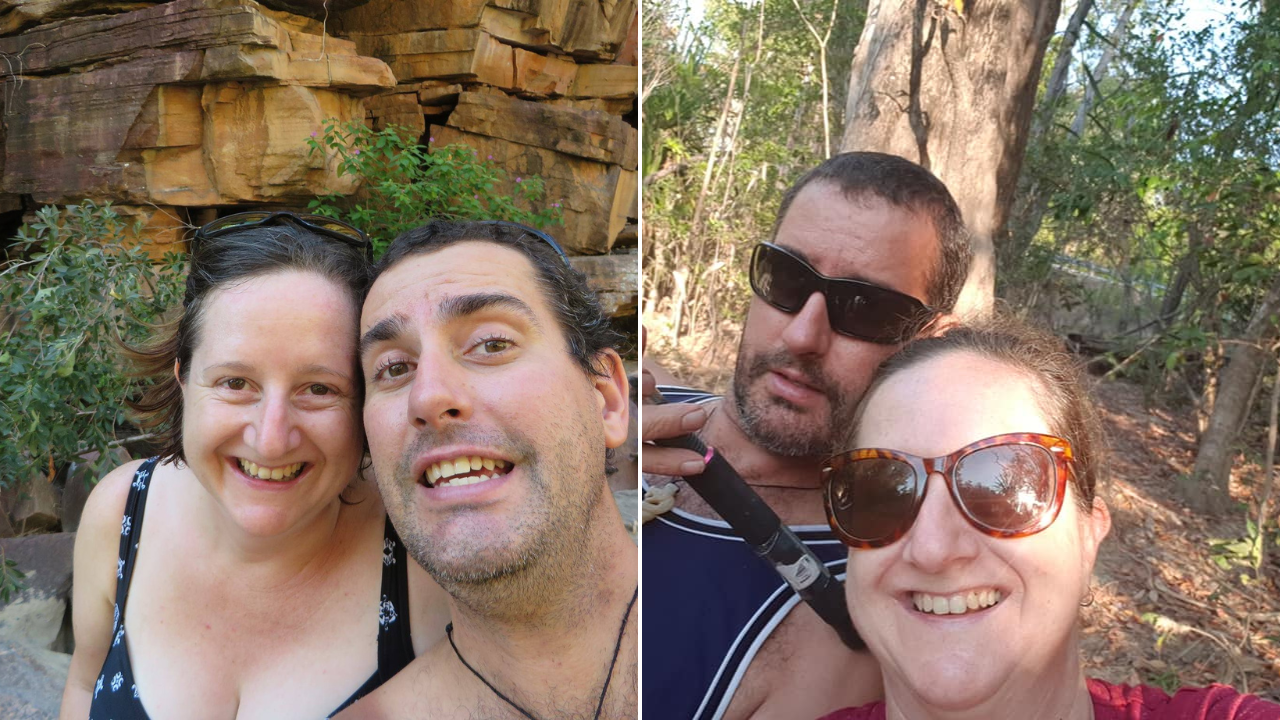
Police have charged the partner of a much-loved Darwin nurse with murder, five years after her death was originally treated as an overdose.
Peter Scammell, 44, was extradited from Victoria to the Northern Territory last week and charged over the death of his long-term partner, Katrina Sheridan Hawker, on September 12, 2020.
Hawker, 43, a registered nurse at Royal Darwin Hospital’s acute medical ward, was found unresponsive in the backyard of their Bakewell home.
A coronial inquest handed down in June last year deemed her death “suspicious”, concluding she died from acute drug toxicity caused by a lethal mix of alcohol and Temazepam – a prescription sleeping medication.
The coroner stated it was highly unlikely the senior nurse had taken the drugs accidentally or in an act of self-harm.
Hawker’s sister Danielle told the inquest she would “never” have taken her own life – an assessment the coroner said aligned with every aspect of Hawker’s circumstances at the time.
She had made extensive plans for the future: she had just purchased a new car, booked annual leave, scheduled an appointment with the Employee Assistance Service, and arranged a lunch with a colleague for the following Monday.
On the day she died, she had bought ingredients for a chicken dish and left the cookbook open on the table.
There was no suicide note.
Hawker was described as “upstanding”, “law-abiding”, “rules based”, and deeply committed to her patients.
She rarely took sick leave, maintained a high level of professionalism, and had been actively studying nursing material shortly before her death.
She had also told her sister she was saving money to leave Scammell due to what she described as his “excessive drinking”.
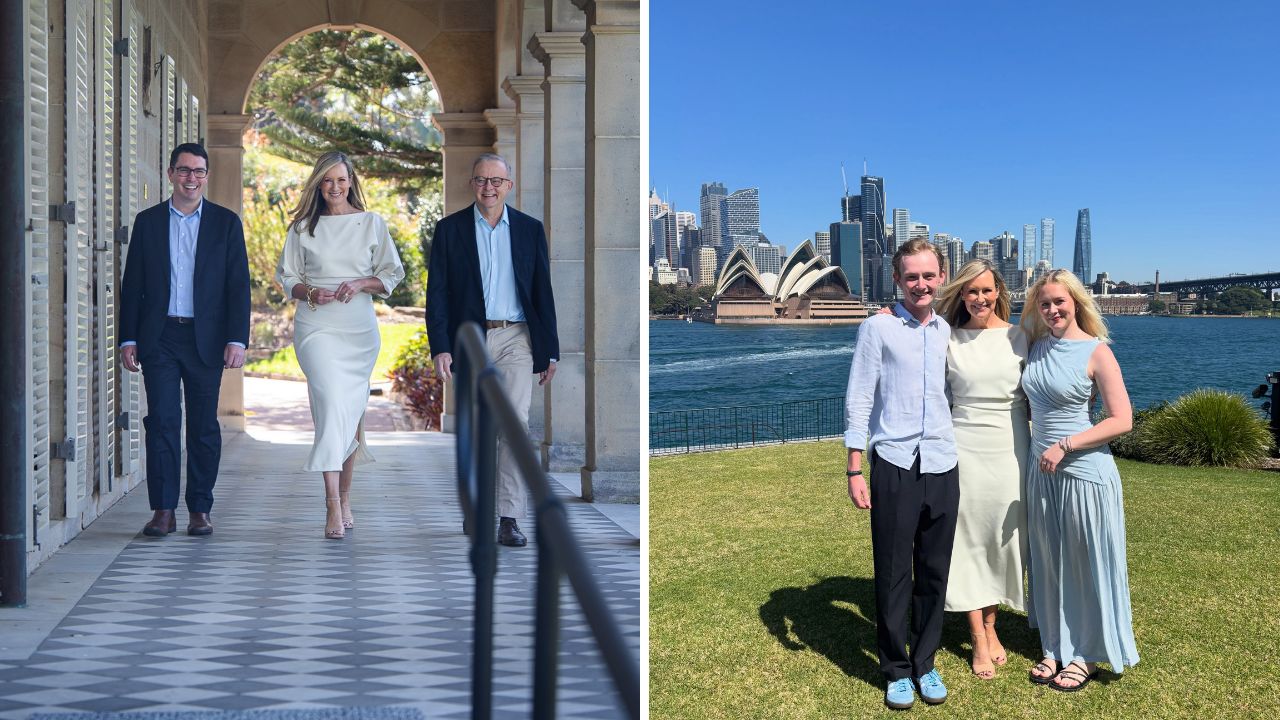
Hawker and Scammell had been together nearly 20 years, and her social media featured many photos of them together.
But neighbours told the inquest they heard arguments “frequently, if not daily”, describing the relationship as “very toxic”.
The pair slept in separate rooms, which Scammell attributed to Hawker’s snoring.
Text messages tendered to the inquest showed Scammell repeatedly referring to Hawker with derogatory nicknames, including “the Kraken”, “Mrs Insanity”, “mental”, “Mrs Bossy Boots”, and “a c***”.
He also joked about killing her.
In one message he asked, “should I smother her with a pillow?”
In another, he told a friend she was yelling at him “over trivial things” before adding, “Snap her up the side of the head, just joking. I’m a nice bloke. There will be no killing today.”
The inquest found Scammell began drinking vodka early on the morning of Hawker’s death.
A neighbour heard the pair arguing around 10.30am before they went to a tavern, a bottle shop and Bunnings.
Another dispute broke out over purchasing the wrong brackets, and the argument continued after they returned home around 12.30pm.
While Hawker later went to Woolworths, Scammell – by then heavily intoxicated – called a friend of 21 years saying he “wanted to kill her”.
Between 12.59pm and 1.08pm, the friend recalled him saying, “I’m tired of her”, “I’m sick of her” and “I’m going to kill her”.
At 1.14pm, Scammell texted the same friend, “Vodka talking, don’t get lost in the mangroves.”
At 3.55pm, Hawker filmed Scammell in the pool – the last verified moment that she was alive.
Her phone recorded movement to the kitchen at 4.23pm, but photos on Scammell’s phone show her lying motionless on a towel in the backyard at 4.33pm and 4.40pm.
The coroner noted, “Given that Ms Hawker appeared fully passed-out at 4.33pm, it seems unlikely that she took her phone to the kitchen at 4.23pm.”
Despite having first-aid training, Scammell did not attempt CPR or call triple-0.
A neighbour contacted emergency services at 6.33pm after Scammell arrived at his door saying, “I think Kat’s dead”, describing her as “purple”.
Scammell claimed she had collapsed after returning from shopping, but the neighbour observed the bonnet of her car was cool.
Paramedics arrived at 6.41pm but could not revive her.
Hawker was declared dead at 7pm.
The inquest found Hawker had ingested at least four to five Temazepam tablets, prescribed to Scammell months earlier.
His fingerprints were located on the inner flap of the medication box, the blister packet, and on a bottle of Grey Goose vodka found on his bedside table.
No fingerprints of Hawker’s were found on any bottle or drinking vessel.
Scammell gave police multiple inconsistent versions of how he discovered her, each differing from the other and from what he told the neighbour.
He later claimed he could not recall where he was or which direction he came from before finding her unresponsive.
His accounts of whether he had taken the pills – or ever seen Hawker take them – also changed repeatedly.
Hawker’s sister told the inquest she would “definitely not” have taken someone else’s prescription medication.
Within days of Hawker’s death, Scammell began speaking with an old high school acquaintance and they became “physically intimate” eight days later and entered a relationship around the time of Hawker’s funeral on October 13.
The inquest also heard Scammell had been unfaithful to Hawker on and off in earlier years.
He was unable to deliver her funeral speech and asked a friend to write and read it for him.
In the weeks following the funeral, multiple friends alleged Scammell told them he was “directly responsible” for her death.
One recalled him saying, “She wouldn’t have taken them by themselves, by herself. I would have had to give them to her. I would have had to put them in her drink.”
Under questioning at the inquest, Scammell was asked whether he may have caused Hawker to ingest the Temazepam.
When counsel suggested the evidence pointed to only one rational explanation, he repeatedly told the court he could not remember.
When asked whether it was possible he caused her to ingest the tablets, he responded, “I can’t 100 per cent say that it didn’t happen or it did happen. I’m just saying I can’t remember what happened.”
The coroner then asked, “So it might have happened?”
Scammell replied, “I’m not going to say that.”
The exchange formed part of the coroner’s justification for referring the matter to NT Police and the Director of Public Prosecutions.
Scammell arrived in Darwin on Wednesday afternoon and appeared in Darwin Local Court on Thursday.
He was granted bail under strict conditions, including electronic monitoring, remaining in the Northern Territory, surrendering his passport, weekly police reporting and a $2000 assurance.
His lawyer, Richard Bryson, told the court Scammell had been traumatised by Hawker’s death, had been unable to work since, and had been travelling with his new partner.
He is due to return to court on February 4.
Images: Facebook