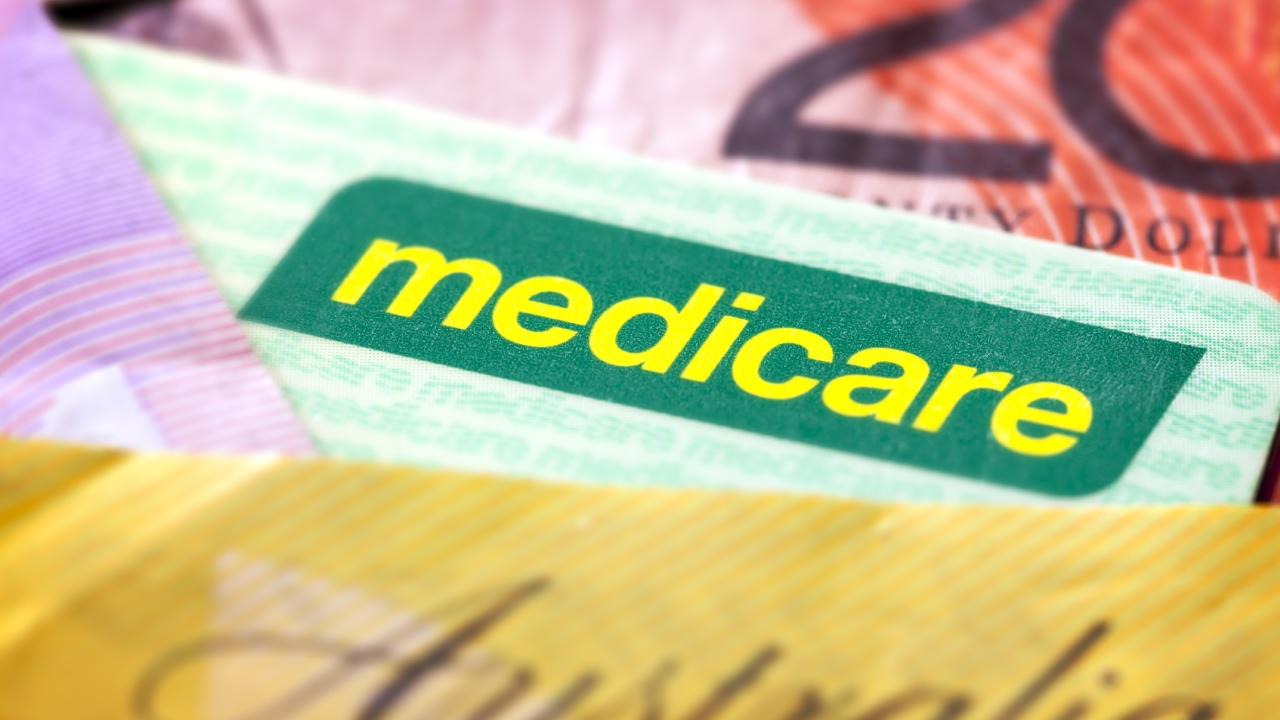
Hundreds of general practice clinics across Australia are preparing to move to full bulk billing within days, as part of the Albanese government’s $8.5 billion Medicare overhaul aimed at reducing out-of-pocket costs for patients.
From this weekend, GPs will receive higher bulk-billing incentives for every patient, not just children or concession card holders.
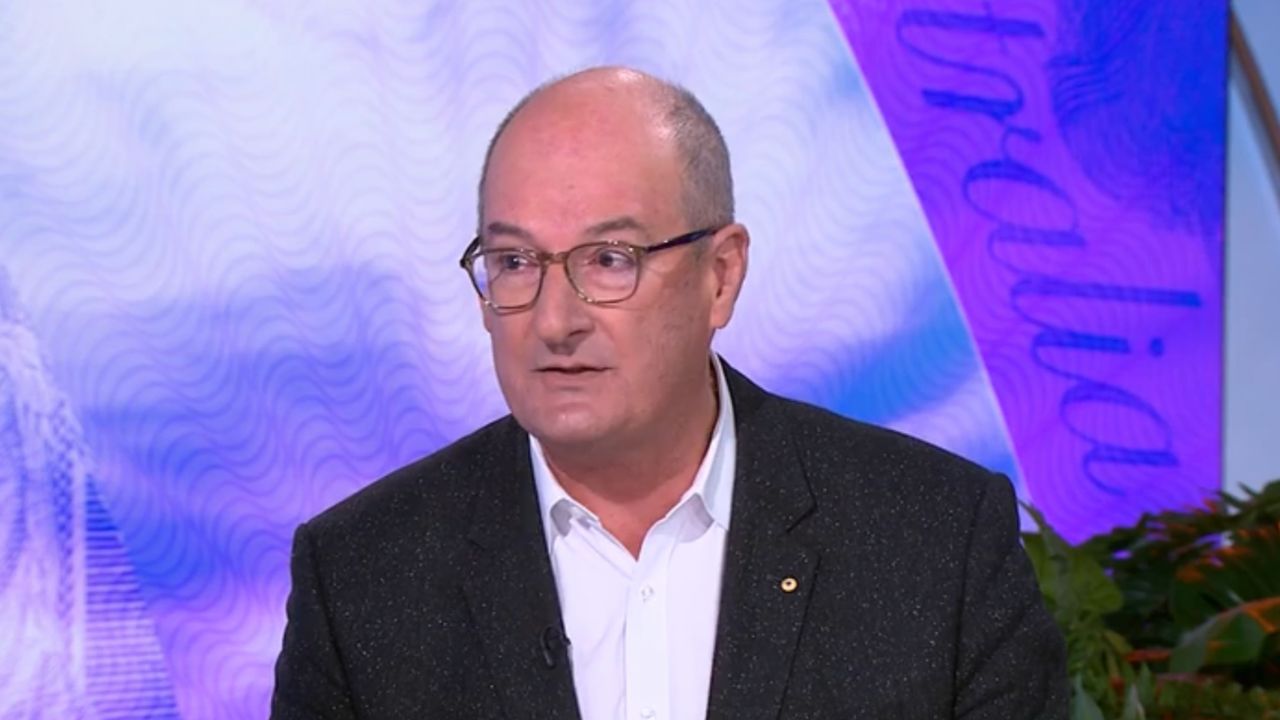
Health Minister Mark Butler said close to a thousand clinics that currently charge gap fees had already signalled their plans to switch.
“We think about 900 practices as of Friday have already indicated to government that this week, they’re charging gap fees and next week, they’ll be a fully bulk billing practice,” Butler said on Monday.
“So, every GP in their practice will bulk bill every single patient that comes through their door.”
He said more clinics are expected to follow suit.
“Now we expect that number to increase, of course, this week. A whole lot of practices that I’m sure will be making the decision to do this but just haven’t informed the government yet,” he said.
“We’re very confident there’s going to be a big expansion of bulk billing.”
The government has set a target of making nine out of ten GP visits bulk billed by the end of the decade, aiming to grow the number of fully bulk-billed practices to 4800, about triple the current number.
However, the projections have drawn scepticism from doctors’ groups and the Opposition, who question whether the policy will achieve the widespread shift being promised.
During Senate estimates earlier this month, Health Department officials admitted there was no formal benchmark to measure the policy’s success until after the next election and said it could take up to four years for most clinics to fully transition.
A survey by the ABC and the Royal Australian College of GPs earlier this year found only a small fraction of doctors believed they could afford to bulk bill more patients under the new incentives, citing rising costs, low rebates and staffing pressures.
Shadow Health Minister Anne Ruston accused the Labor government of overstating the impact of the scheme.
“Anthony Albanese told Australians they’d only need their Medicare card, not their credit card,” Ms Ruston said.
“But the Government doesn’t expect to reach its targets until after the next election, and out-of-pocket costs are still rising.”
Earlier this month, Assistant Health Secretary Daniel McCabe also said that some patients could face higher costs if they are unable to secure a bulk-billed appointment.
“We will have outlier GPs that are charging higher out-of-pocket expenses and if they continue to do that, the average for those sub-set of patients will be higher for a period of time,” he said.
The average out-of-pocket cost for a GP visit was nearly $50 in the last financial year.
However, the health minister remains confident the new incentives will make bulk billing financially viable for clinics.
He said a full-time GP who bulk bills could now earn up to $125,000 more per year under the new system and predicted a domino effect across the industry as more practices make the switch.
Image: Shutterstock