Australia’s unemployment rate has climbed to its highest level in four years, sparking predictions of a possible interest rate cut next month as the economy shows further signs of slowing.
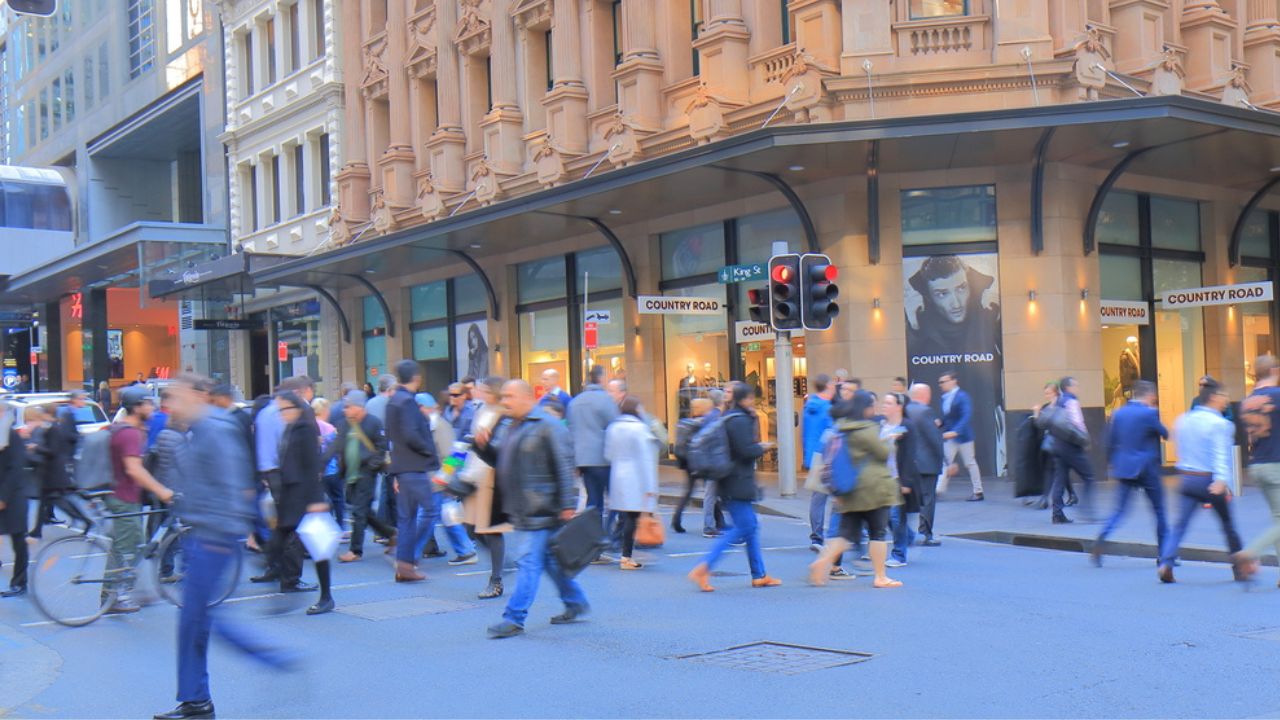
Fresh data from the Australian Bureau of Statistics revealed 34,000 people lost their jobs in September, while 15,000 gained employment, leaving the overall jobless rate at 4.5 per cent, up from 4.3 per cent in August.
The increase came as the participation rate, the proportion of people either working or looking for work, rose to 67 per cent, just below a record high of 67.2 per cent.
This means that the number of jobs created did not match the number of potential employees.
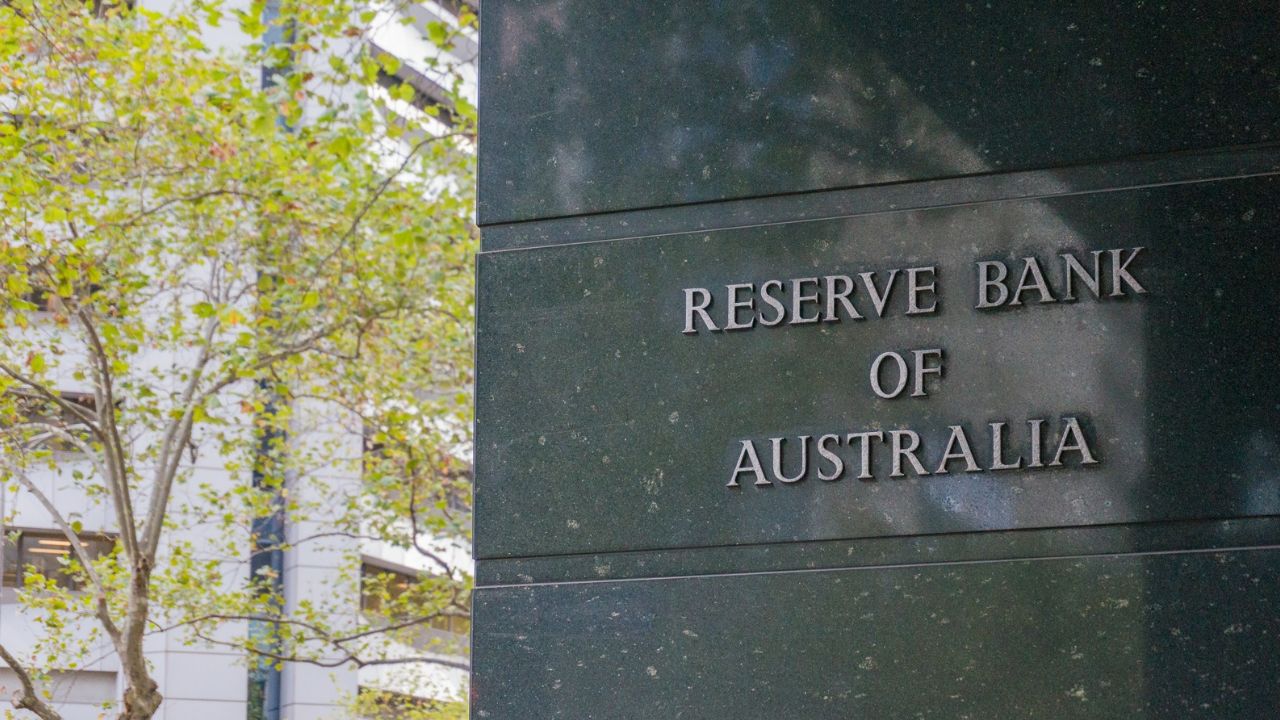
Following the data release, the Australian dollar fell 0.5 per cent to 64.85 US cents, while the sharemarket surged as investors began betting the Reserve Bank of Australia (RBA) will cut interest rates at its next meeting on Melbourne Cup day.
The three-year bond rate also slipped 12 basis points to 3.36 per cent.
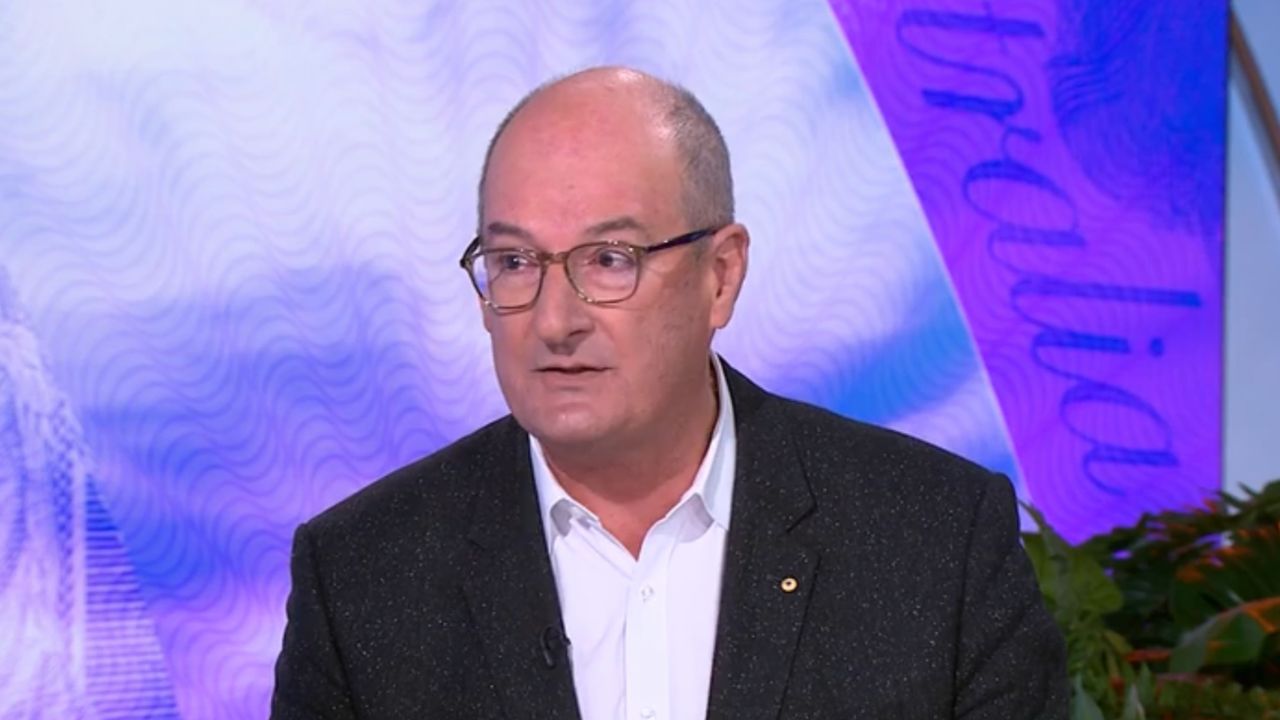
KPMG chief economist Brendan Rynne said the latest figures should raise alarm bells for the central bank.
“At its upcoming meeting, the RBA should be looking [to] bring the cash rate down to a more accommodating level to help businesses invest and encourage households to spend which should collectively help underpin the labour market,” he said.
Despite the spike in unemployment, BDO chief economist Anders Magnusson believes the RBA is unlikely to rush into a decision.
“Today’s release confirms a continued gradual cooling of the labour market that keeps the RBA on course, rather than forcing its hand,” he said.
However, Magnusson noted market sentiment had shifted.
“Market expectations, implied from ASX traded futures, shifted slightly this week toward implying a rate cut rather than a hold at the RBA’s November meeting and will likely shift further that way after this data release,” he added.
Across the states, Victoria recorded the highest unemployment rate at 4.7 per cent, followed by South Australia at 4.5 per cent.
Other states and territories recorded rates between 4.2 and 4.3 per cent.
The number of unemployed males rose by 24,000 to 370,000, while unemployed females increased by 10,000 to 314,000.
Full-time employment rose modestly by 9,000, with male full-time roles up 23,000 and female full-time roles down 15,000.
Economists had earlier forecast a softer increase in unemployment, predicting 20,000 new jobs and a jobless rate of 4.3 per cent.
The unemployment rate remains a key measure for the RBA, which aims to balance employment and inflation.
RBA governor Michele Bullock previously described the jobs market as “a little bit tight,” suggesting there were still more jobs available than workers.
Image: TK Kurikawa / Shutterstock.com