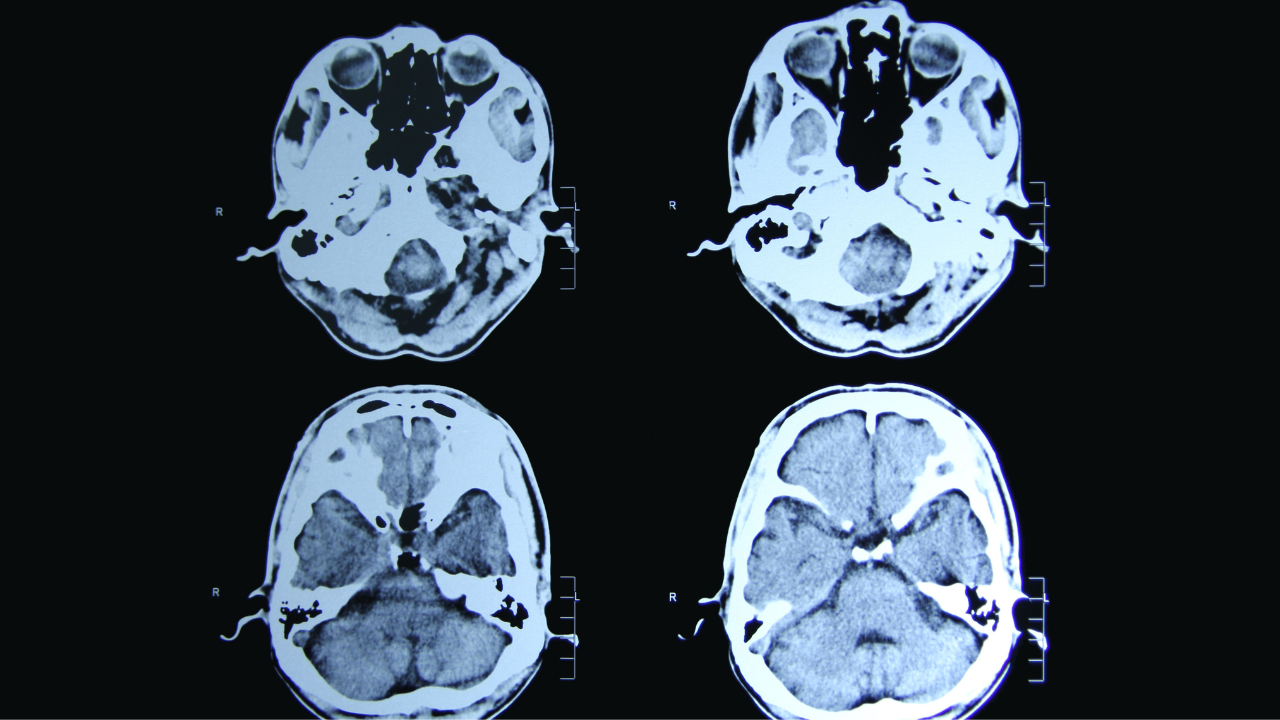
In a medical development hailed as “world-changing,” scientists have reported the first successful treatment of Huntington’s disease – a devastating inherited condition that causes progressive damage to the brain and body over several decades.
Until now, the illness has been considered incurable, with patients typically experiencing a steady and irreversible decline in both physical and cognitive function.
However, a gene therapy trial involving 29 participants has shown a dramatic reduction in the rate of disease progression – by as much as 75 per cent.
Researchers suggest this could mean that one year’s worth of decline could now be spread over four years.
The trial results, described as unprecedented, were announced by pharmaceutical company uniQure in collaboration with the Huntington’s Disease Centre at University College London (UCL).
Experts believe the findings may provide renewed hope to thousands of families affected by the disease, which is estimated to impact around 7,000 people in the UK alone.
The therapy, known as AMT-130, is delivered through a one-time brain surgery lasting between 12 and 20 hours. During the procedure, a special form of DNA is injected directly into the brain to block the activity of the faulty gene responsible for the disease’s progression.
While the treatment does not constitute a cure, it appears to significantly delay the onset and severity of symptoms – a result previously thought unattainable.
“This is going to keep people in work longer, functioning longer, delaying symptoms of disability – this is truly a game-changing result,” said Professor Sarah Tabrizi, the study’s lead researcher at UCL.
“It is huge. I’ve never seen anything that slows functional decline.”
Professor Ed Wild, also from UCL, echoed her remarks, describing the trial as “truly world-changing stuff.”
Dr Walid Abi-Saab, chief medical officer at uniQure, added, “We are incredibly excited about these results and what they may represent for individuals and families affected by Huntington’s disease.”
Huntington’s is a hereditary disorder caused by a faulty gene that leads to the gradual breakdown of nerve cells in the brain. The condition typically manifests in adulthood and is often fatal by middle age.
American folk singer Woody Guthrie, best known for This Land is Your Land, died of the disease in 1967 at age 55. Dame Julie Andrews, known for her role in The Sound of Music, has served as a board member of the Huntington’s Disease Foundation and has long advocated for increased research into the condition.
While further research and long-term data are needed, experts have expressed cautious optimism that this breakthrough could mark the beginning of a new era in the treatment of neurodegenerative diseases.
Images: Shutterstock