A NSW council is proposing limits on how many pets residents can own, in a draft plan critics have described as “appalling” and “ridiculous.”
Eurobodalla Shire Council, covering much of NSW’s South Coast, says the measure is intended to prevent animals from living in conditions that are unhealthy, unsafe, or disruptive to neighbours.
The council says the new regulation aims to prevent animals from being kept in conditions that are unhealthy, unsafe, or disturbing to neighbours.
There is no statewide limit on pets in New South Wales. Local councils have the authority to set their own rules regarding how many animals residents can own.
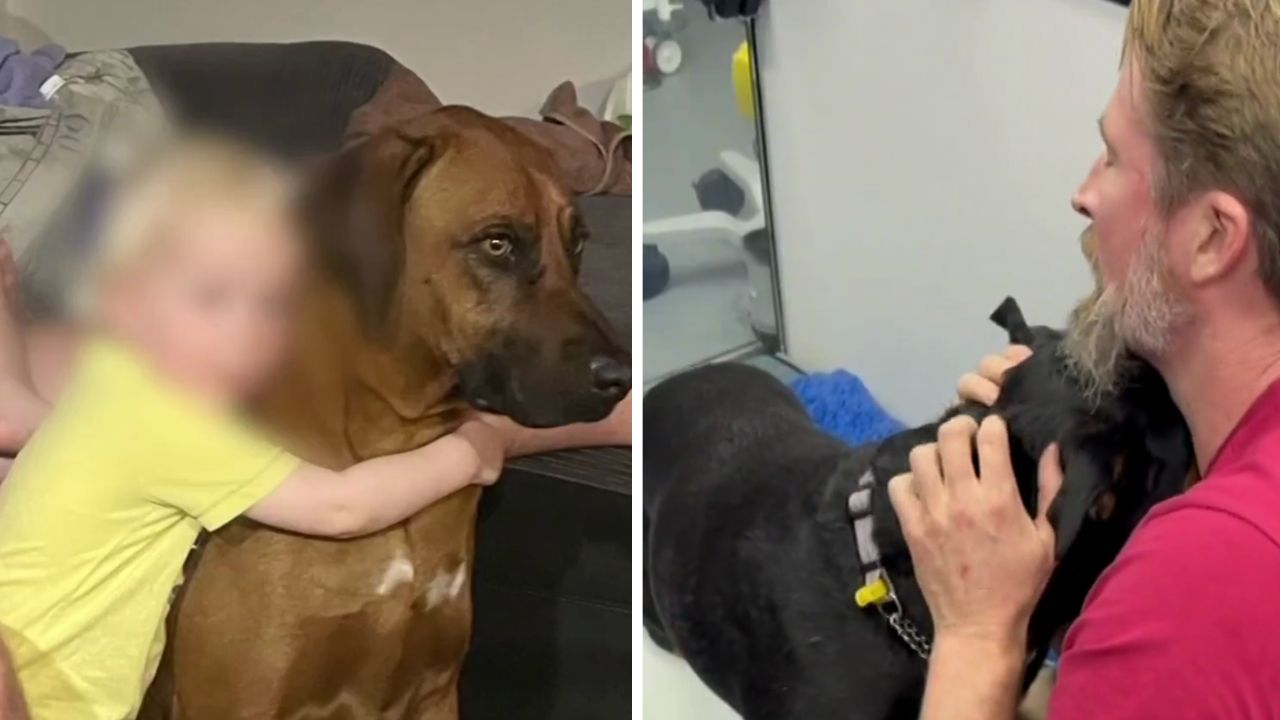
Under the Eurobodalla draft policy, households in urban areas would be limited to two adult dogs, four cats, one rabbit, and two ferrets.
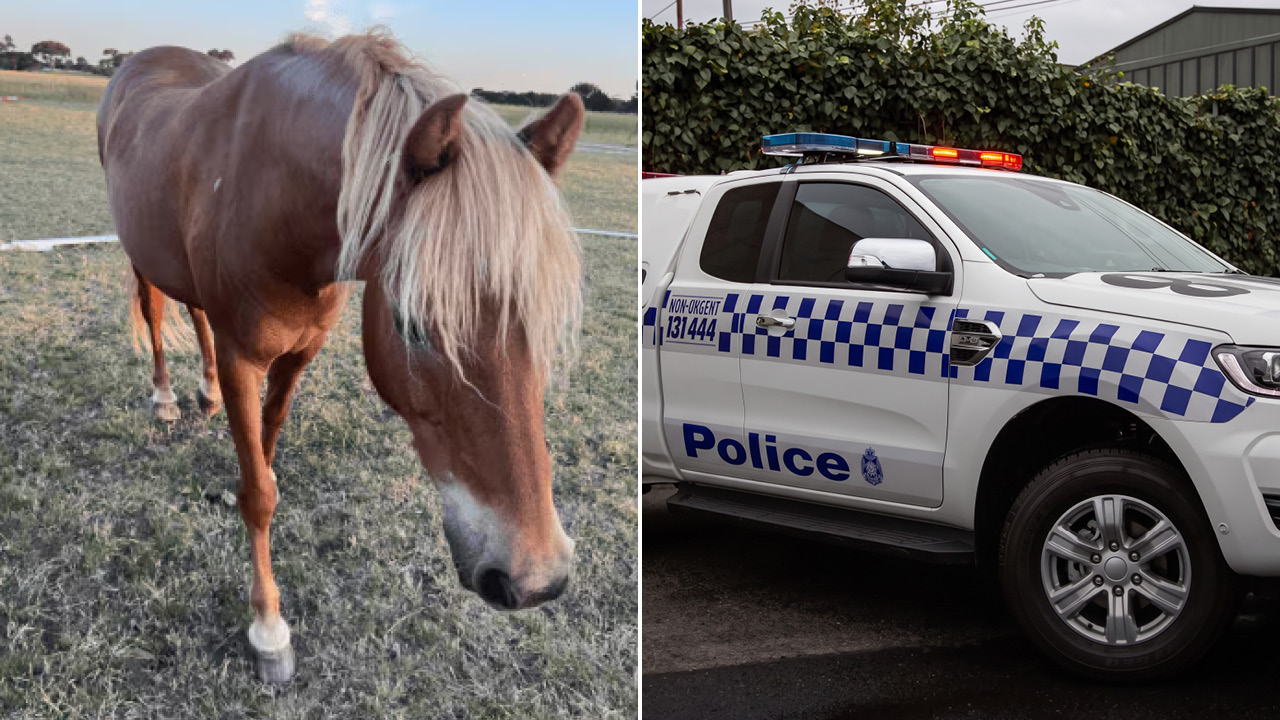
Other rules include a maximum of two horses on urban land, which must be kept at least nine metres from a “dwelling, school, shop, office, factory, workshop, or church.”
Rural properties could keep more pets, including up to four dogs.
Birds would be subject to the “discretion of the investigating officer,” who would consider the type of bird.
Locals have criticised the draft plan online, arguing it unfairly targets responsible owners.
“You can have one dog or cat at a premises that is abused or poorly cared for,” one resident told The Daily Telegraph.
Others took aim at the “one rabbit” policy, calling it cruel.
“I had two and they were best friends,” one person said.
“Why can’t your rabbit have a friend? And many people have three well-cared-for dogs that are not a problem.”
Experts note that rabbits are social creatures that benefit from companionship, and single rabbits can become lonely, stressed, or depressed.
Some residents questioned how the limits were determined, “Cats can cause more damage than one bunny,” one commenter said.
Meanwhile, another ratepayer condemned the proposed policy as “ridiculous and appalling, uneducated overreach.”
Eurobodalla Council maintains the draft plan is intended to reduce animal abuse and promote pet safety and welfare.
“Public concerns communicated to council in relation to this policy will be recorded on council’s records system and handled in accordance with council’s customer service or complaints policy,” the department said.
The story quickly sparked debate on social media.
“First pets, then children!” one critic wrote.
“That’s too low for dogs, the council will need to pay my relocation costs,” another said.
However, not all residents were against the plan.
“If it reduces nuisance barking and/or animal abuse, then every council should adopt this,” one wrote.
Images: Shutterstock