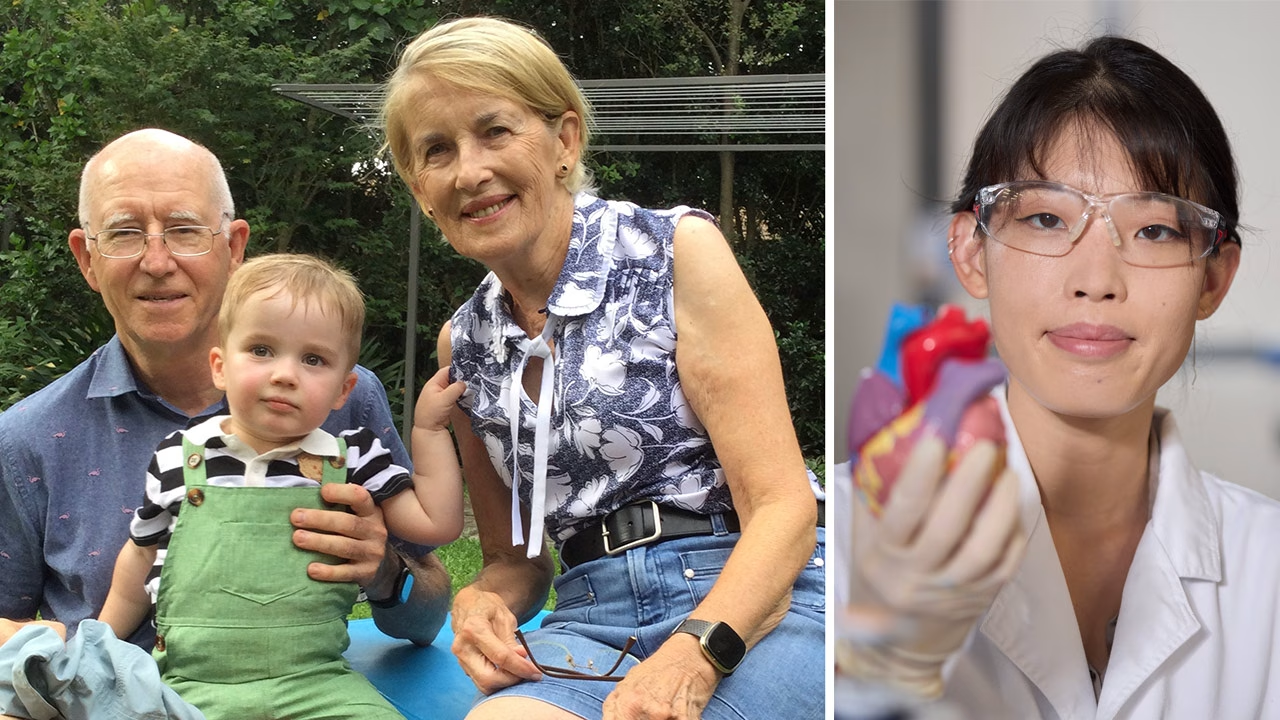
When Lee Hunt beat breast cancer, she thought her toughest battle was over. Until life-saving chemotherapy left her own heart in danger. Like many survivors, Lee found herself facing cardiotoxicity, a little-known but potentially deadly side effect of treatment.
But a groundbreaking Australian research project is giving women like Lee new reason to hope. Scientists at the Heart Research Institute (HRI) have developed microscopic 3D ‘mini-hearts’ – tiny, beating spheroids the size of a grain of sand – to test a new drug designed to protect patients’ hearts without compromising their cancer care.
Led by Professor Julie McMullen, the ambitious cardio-oncology project is an Australian first, and it’s already showing promise. “We want to identify women at risk before symptoms appear, so we can protect their hearts during and after treatment,” Prof McMullen explained.
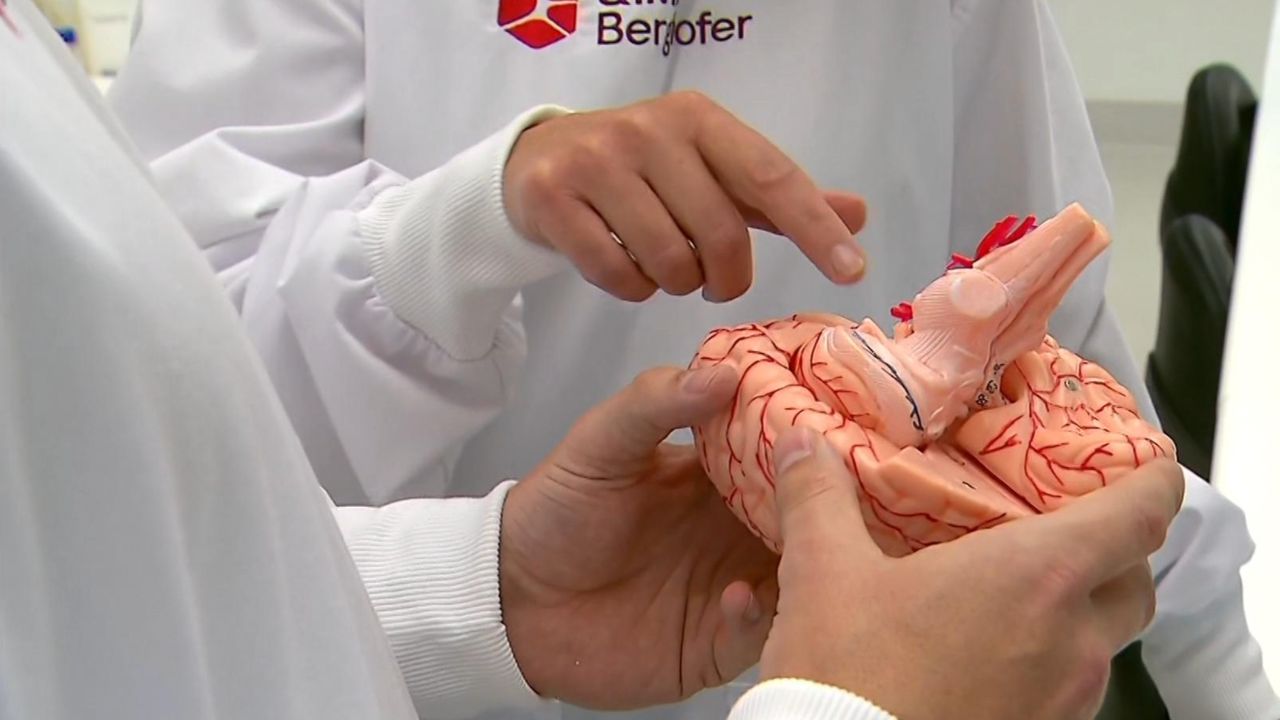
HRI researcher Dr Clara Liu Chung Ming is using lab-grown ‘mini-hearts’, created from patient blood samples, to study how chemotherapy affects the heart and how the new drug might shield it from harm.
“Some women survive breast cancer only to face heart failure years later,” Dr Liu said. “Our work is about preventing that – saving hearts as well as lives.”
The research is still in its early stages, but the team has already developed a promising drug candidate now being tested on their patient-derived heart models. The ‘mini-hearts’ mimic real human heart function, allowing researchers to watch how they contract, respond to stress, and react to chemotherapy – with and without the experimental drug.
Up to 30% of breast cancer patients treated with chemotherapy may develop cardiac toxicity, sometimes years after their cancer is gone. With survival rates improving, preventing these long-term complications is becoming a critical next frontier in cancer care.
The HRI team is collaborating with hospitals including Chris O’Brien Lifehouse and plans to expand to more centres across Greater Sydney. The next step? Creating personalised mini-hearts from individual patient blood samples to tailor heart-protective treatment to each woman’s unique biology.
As Prof McMullen put it, “We’re not just fighting cancer – we’re protecting the heart that keeps life going.”
For more information, visit www.hri.org.au.
Images: Supplied