A proposed class action against supplement company Blackmores has revealed the risks of vitamin B6 toxicity, amid concerns pregnant women may be unknowingly consuming unsafe levels.
Over 1,000 Australians have contact lawyers, reporting neurological symptoms they believe are linked to excessive vitamin B6, found in many over-the-counter multivitamins and magnesium blends marketed as safe.
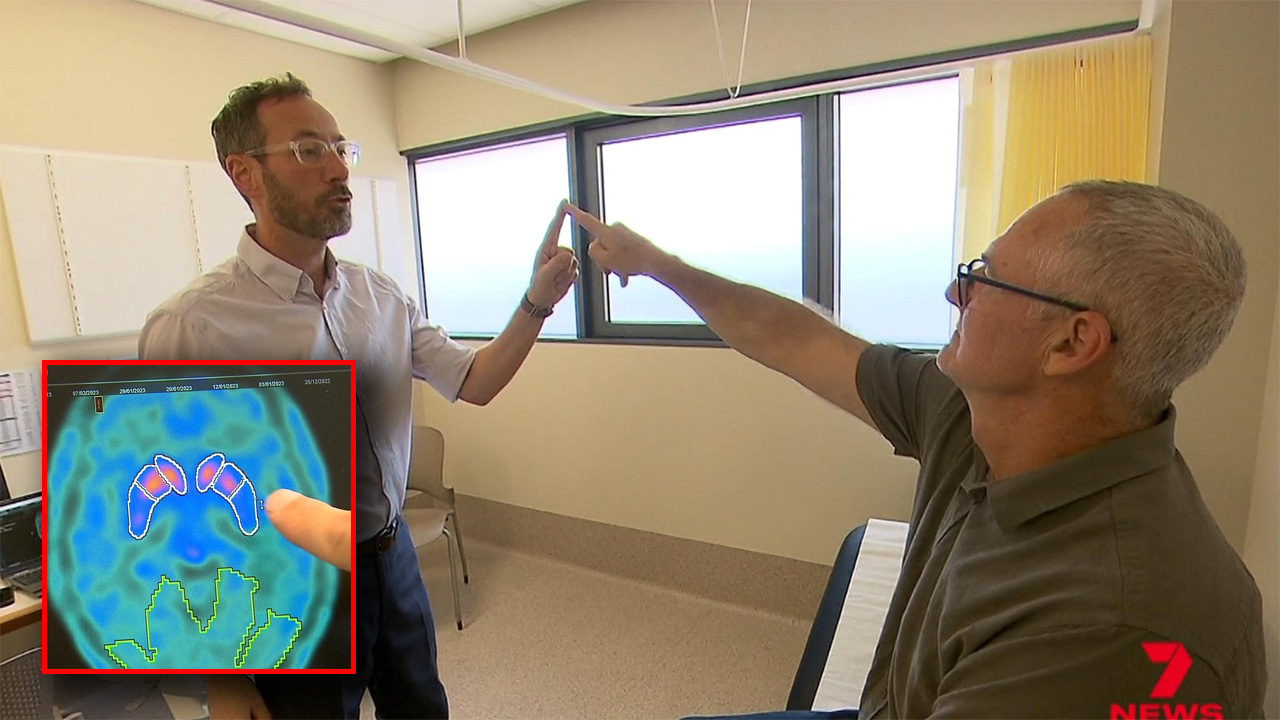
Among them is Dominic Noonan O’Keefe, 33, a father from Victoria, who began taking supplements to prepare for the birth of his daughter.
“The main motivation was my daughter’s coming. I want to be as ready as possible for that period,” he told 7NEWS.
O’Keefe described months of escalating, unexplained symptoms including nerve pain, loss of balance, vision problems and severe fatigue.
“I remember standing at my desk and I had this electric shock of nerve pain shoot up in my scalp. Everything became overwhelming. I couldn’t deal with it. The light was too bright. The noises were too loud … I thought I was having an aneurysm or something … I thought I was dying.”
Despite multiple specialist consultations, routine medical testing did not assess his B6 levels. A conversation at a family barbecue ultimately proved pivotal.
“My whole family knew I was incredibly unwell … I just said, ‘Oh, my arms are just so numb and they feel like they’re vibrating…’ and [my stepsister] stopped for a second, she’s like, ‘Are you taking any supplements?’” he said.
“She flipped me some peer-reviewed literature … and immediately I knew what was going on.
“The next day I got a blood test and my results were double what they needed to be for peripheral neuropathy, which is just shorthand for nerve damage.”
Polaris principal lawyer Nick Mann, who is leading the proposed class action, said his firm has also received more than 20 inquiries from women who were pregnant or breastfeeding while taking supplements containing B6.
“You could be taking a pregnancy multivitamin and a magnesium supplement combined. You could have 50, 60 times the recommended daily intake of B6.” Mann said.
“To date, we’ve also received about 20 inquiries from women who were taking multivitamins while pregnant or breastfeeding. That’s something that we’re investigating.”
Mann warns this is just the beginning of what could be a much larger health issue, fuelled by gaps in regulations and marketing practices within the supplement industry.
“What we’ve since discovered is that there are thousands of Australians out there who are likely to have been affected by this,” he said.
B6, also known as pyridoxine, can build up in the body over time, particularly when consumed through multiple supplement sources.
“One of the things that I think the companies haven’t well understood or appreciated is that you could be taking a few different supplements at the same time … you could be taking 50 times the recommended daily intake of B6,” Mann said.
“We are yet to see any convincing evidence that it needs to be in these supplements. You can go down to your local chemist and find an almost identical product which contains magnesium as the primary supplement sitting next to one that contains 30 to 40 times the recommended daily intake of B6.”
A Blackmores spokesperson told 7NEWS the company is committed to the “highest standards of product quality and consumer safety”.
“All our products, including those containing vitamin B6, are developed in strict accordance with the safety and regulatory requirements of the Therapeutic Goods Administration (TGA).
“This includes compliance with maximum permitted daily doses and the inclusion of mandated warning statements on product labels. We acknowledge the interim decision issued by the TGA and we will ensure full compliance with its final determination, prioritising the safety of our products.
“Vitamin B6 is in a range of products within the vitamins and dietary supplement industry and its inclusion in some Blackmores products is consistent with industry practice and meets current regulatory requirements in all markets.”
O’Keefe said he hopes speaking publicly will prompt real change.
“I feel embarrassed initially and a bit of shame like I think everyone does … there’s a part of you that realises you were doing it, you were taking the supplements and unknowingly poisoning yourself,” he said.
“You can go into chemists still to this day and there won’t be warning labels. I didn’t have the luxury of that on any of my supplements. There are still supplements to this day in chemists without warnings on them.
“This whole thing doesn’t seem right and I think we need to do something about it.”
Mann said the proposed case, the first B6 class action of its kind in the world, has attracted international attention and even prompted whistleblowers from within the supplement industry to speak publicly.
“This is the first class action in the world that’s been brought in relation to B6 toxicity,” he said.
“We’re proud to bring it.
“What I can say so far is that from those inquiries, what we understand is that there was a huge reliance on what was approved by the TGA, but then no other consideration of safety and efficacy.
“The regulation of complementary medicines in Australia seems to have followed what’s called a light-touch regulatory approach.”
Mann emphasised that the legal action is not directed at the TGA, but at supplement companies who have a duty of care to protect the public.
“The TGA regulation doesn’t and can’t be the beginning and the end of the legal liability … You can’t, at law, say, well the regulator allowed us to do this and so therefore that’s our legal liability.”
B6 is also added to many foods and drinks, including cereals, protein bars and energy drinks.
Dr Terri-Lynne South from the Royal Australian College of General Practitioners said the food industry also needs tighter control.
“There needs to be better regulation of those energy drinks because it is quite high,” Dr South said.
“There needs to be education and potentially some recommendations to pull them in line with what we’re seeing in those vitamin and mineral supplements.”
The TGA told 7NEWS it has previously alerted consumers to the risk of neuropathy from vitamin B6, including a 2022 safety alert.
“Since March 2022, medicines providing over 10 mg equivalent vitamin B6 per day have required the label warning statement: ‘WARNING – Stop taking this medication if you experience tingling, burning or numbness and see your healthcare practitioner as soon as possible. [Contains vitamin B6],’” the TGA said.
“In June, the TGA released an interim decision that proposes to change the current scheduling of vitamin B6 (pyridoxine, pyridoxal and pyridoxamine) such that oral preparations containing 50 mg or less per recommended daily dose are available for general retail sale (unscheduled).
“Oral preparations containing more than 50 mg but less than 200 mg per recommended daily dose would become Pharmacist only medicines (Schedule 3). This decision, if implemented, will reduce the maximum amount of vitamin B6 allowed in oral products than currently available for general sale.
“The interim decision balances the risks and benefits of using vitamin B6 including the risk of peripheral neuropathy, acknowledging its potential for irreversible harm at higher doses and variability in individual metabolism. It also considers the limited clinical need for supplementation due to dietary sufficiency, alongside the widespread use of vitamin B6 in fortified products and listed medicines.”
A year into his recovery, O’Keefe continues to experience flare-ups brought on by illness or stress, and lasting symptoms including numbness, vision issues and fatigue.
“It feels like a heavy veil is over me and I’ve receded back into myself and I’m sort of just operating something that doesn’t … a body that doesn’t work. But when I feel good, I feel present again,” he said.
“I feel me today.”
For O’Keefe, the legal battle is about protecting others.
“I think it’s for the people that have been damaged … The science has been pointing to this for decades. The companies need to do something to change it.”
Images: 7NEWS