After 50 years of research, eminent Stanford University sleep researcher William Dement reportedly said the only solid explanation he knows for why we sleep is “because we get sleepy”.
Even though sleep may be, as one researcher put it, “the only major behaviour in search of a function”, it clearly does matter for our health and wellbeing.
But are we doing it right? What does the research say about sleeping position?
Is there a correct position to sleep in?
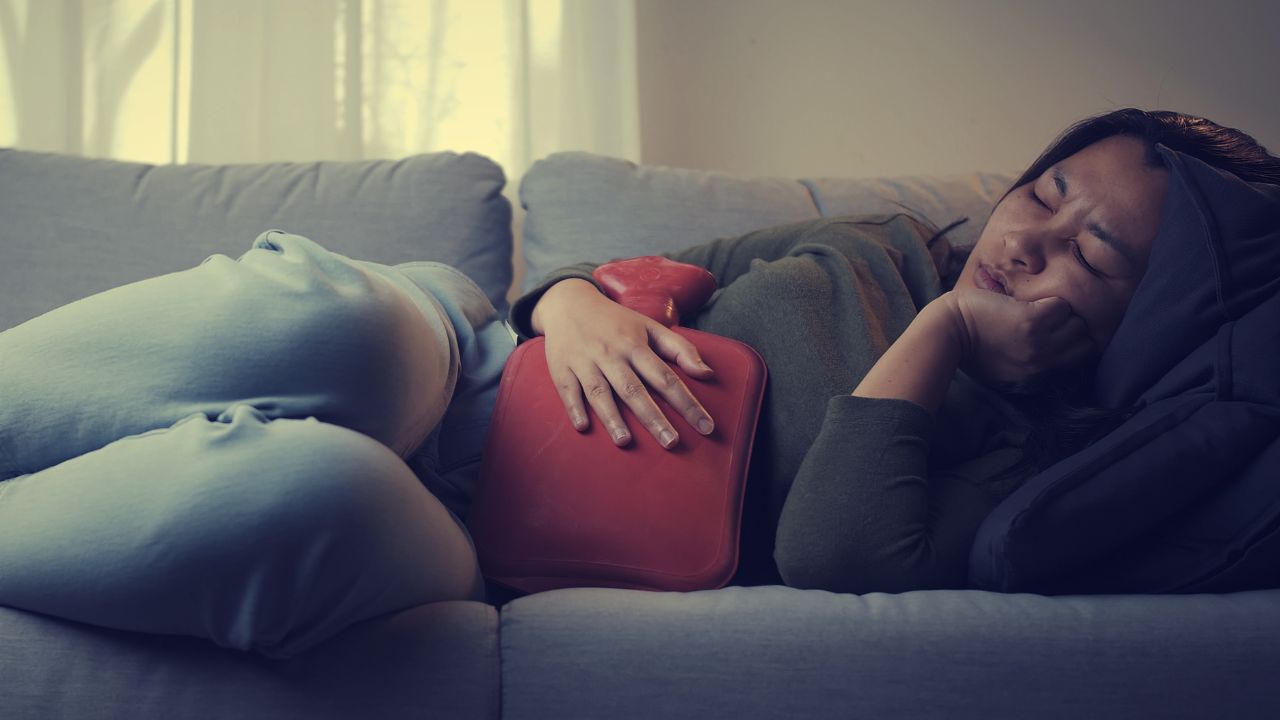
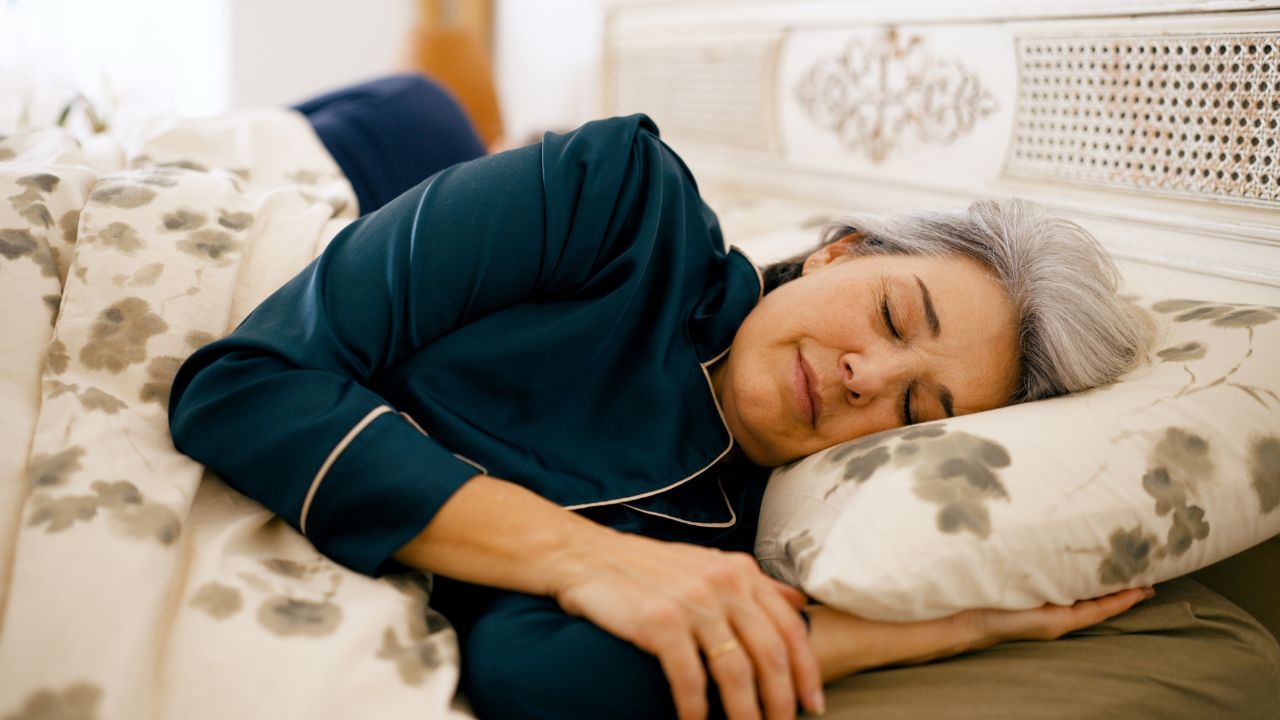
Most people prefer to sleep on their side. This is good to hear, as those who lie on their backs are more likely to be poor sleepers or have breathing difficulties during the night.
In most cases, we tend to move around quite a lot during the night. One study of 664 sleepers found, on average, that participants spent about 54% of their time in bed sleeping on their side, about 37% on their back, and about 7% on their front.
Males (especially those aged under 35) tend to be most restless, with more position shifts, and arm, thigh, and upper-back movements during the night.
This may not be a bad thing, as allowing your body to move during the night is generally a good idea.
During sleep, your body will keep track of any pain or discomfort and adjust position accordingly. This is why we usually avoid developing bedsores (or pressure ulcers) in everyday life.
If you find you can’t move because your partner (or dog) is taking up too much room in the bed, consider switching sides or getting a larger bed.
And don’t tuck yourself in too tightly; give yourself some room to move around on either side.
Being comfortable is key. There is no quality research providing clear evidence for an “optimal sleep position”. Your age, weight, environment, activities and whether you’re pregnant, all play a role in which sleep position is best for your body.
Ideally, we can find a position that helps us get a good night’s sleep, and one that avoids us waking up in any pain.
Even with our chosen position, some layouts are better than others. In one study, people who rested in a position where there is a rotation of the spine (such as the unsupported side position), woke up with more pain in the morning.
Nonetheless, although some forms of side-sleeping may cause a bit of load on the spine, it appears the side positions, in general, are still better than the other options.
What pillow should I choose?
Choosing the right pillow is vital for a good night’s sleep.
A lack of support for the head and neck during sleep has been found to severely impact spine alignment, and cause muscle problems such as neck pain, shoulder pain and muscle stiffness.
Promisingly, the pillow material does not appear to affect the spine. Instead, the shape and the height is what matters. A U-shaped pillow may help you have a longer night’s sleep, and a roll-shaped pillow can reduce morning pain and bedtime pain in those suffering from chronic pain.
Unfortunately, science has not given us an answer on what is the optimal mattress. With everyone sleeping differently, this would be hard to compare over the long term.
However, there are bad mattresses. If your bed is sagging, has lost its firmness, develops noisy springs, or shows clear signs of wear and tear, consider changing your mattress.
Rotating the mattress can help with its longevity and improve comfort. This should be done at least one to two times per year.
Other tips for a restful night’s sleep
Set a cooler room temperature. The ideal temperature for sleep is 18.3℃ (ranging between 15-19℃); higher temperatures can affect sleep.
Allow some airflow in the room. Besides bringing nice, fresh air, it also clears away any accumulated heat, keeping us nice and cool during the night.
Some medications, such as certain types of antihistamines, may make it easier to get to sleep. On the other hand, stimulants such as caffeine can drastically affect the quality of your sleep.
Finally, be sure not to go to bed with a full bladder, as having to get up at night to wee can impact sleep.
This article originally appeared on The Conversation.
Image: Shutterstock