Every year, more than 20,000 Australians – mostly women – are diagnosed with breast cancer. If you’re one of them or know someone who is, the great news is that 92 out of every 100 women will survive for five years or more after their diagnosis.
But women are often surprised by the life-altering side effects from their cancer treatment that can continue for years after, such as pain and fatigue. And many live with the dread of their cancer returning, even after they pass the celebrated five-year survival mark.
So, what can you do to improve your chances of living a longer, healthier life after a breast cancer diagnosis?
1. Stay physically active
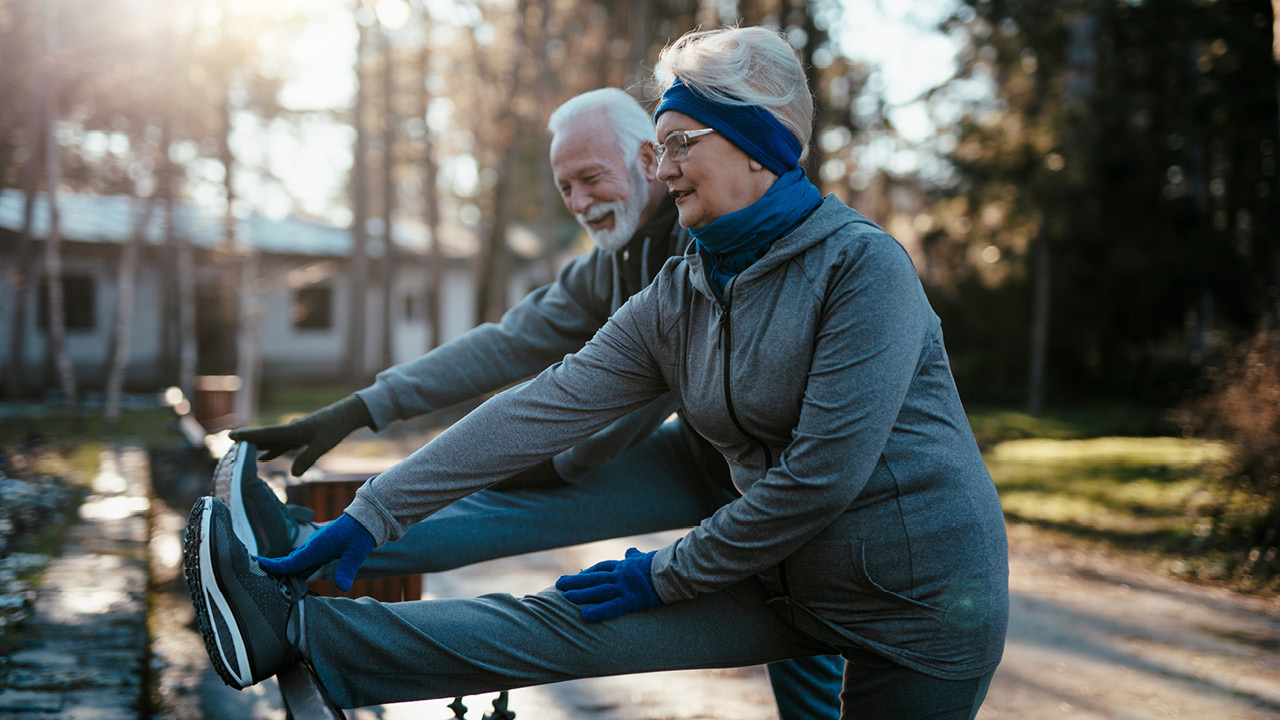
Move more and sit less. Ideally, this includes gradually progressing towards and then maintaining about 150 minutes (two and a half hours) of planned, regular exercise a week. This involves a mix of aerobic exercise (such as walking) and resistance exercises (that target specific muscle groups), done at a moderate or high enough intensity to make you huff and puff a bit.
Observational studies show associations between exercise and living longer and prevention of cancer recurrence. And there’s some preliminary evidence from clinical trials to support this too.
Women with breast cancer who exercise and are more active, have better quality of life, strength and fitness, and fewer and less severe side effects during active treatment.
2. Eat a high quality diet
Women with better diets – that include a high intake of vegetables, fruit, legumes, nuts, whole grains and fish – have been shown to live longer after a breast cancer diagnosis than those who have a diet high in refined or processed foods and red meat.
This is due mainly to the benefit of a good diet on reducing the risks of other health conditions, such as heart disease, rather than having a direct effect on the risk of dying from breast cancer.
Many women, particularly older women or those with early stage breast cancer, are actually at higher risk of dying from heart disease than their breast cancer. A high quality diet can help maintain a healthy body weight and heart health.
There has been growing interest in specific diets (such as ketogenic or low-carbohydrate diets) and fasting during cancer treatment. But the most recent guidelines state there’s no evidence yet to say these are of significant benefit.
More research is being done following findings from a 2020 study, which suggested a “fasting mimicking diet” (low calorie, low protein) on the days prior to and of chemotherapy, produced a better response to treatment. However, compliance with the diet was difficult – only one in five women in the study were able to stick to the fasting diet for all their chemotherapy treatments.
3. Maintain a healthy weight
Excess body weight has also been linked to poorer survival after breast cancer diagnosis. But so far there haven’t been any clinical trials to show the opposite: that weight loss following a breast cancer diagnosis can improve survival. Trials are underway to answer this question.
Weight gain is common following breast cancer treatment. The causes for this are complex and carrying extra weight can make some of the side effects of treatment worse. Our recent study of women following breast cancer treatment, found that when they are supported to lose a modest amount of weight (5% of their body weight), they improved their physical quality of life and reduced their pain levels. They also reduced their risk of heart disease and diabetes.
Besides these well-established tips, a small body of research suggests two more behaviours, related to our body clock, can impact health after a breast cancer diagnosis.
4. Get good sleep
Disrupted sleep – common among women with breast cancer – can remain for years after your treatment has ended.
Women with breast cancer who regularly struggle to fall or stay asleep at night – compared those who rarely or never – are at greater risk of dying from any cause.
And it’s not just about how well, but also how long you sleep. Sleeping longer than nine hours per night – compared to seven to eight hours – is associated with a 48% increased risk of breast cancer returning. But, studies are yet to tease apart the possible reasons for this. Is increased risk of cancer recurrence a result of sleeping longer or is sleeping longer a consequence of progressing or recurrent disease?
5. Be mindful of when you eat
Preliminary research suggests when you eat matters. Delaying the time between the last meal of the day (dinner or supper) and first meal of the next (breakfast) may help reduce the chances of breast cancer returning.
When women reported fasting overnight for fewer than 13 hours – compared to 13 or more hours – after a breast cancer diagnosis, it was linked to a 36% increased risk of breast cancer coming back. But the study’s authors note randomised trials are needed to test whether increasing the amount of time fasting at night can reduce the risk of disease.
Small steps to big changes
The World Cancer Research Fund has developed a list of recommendations to reduce cancer risk and reduce the risk of cancer coming back. But our research has found most women aren’t meeting these recommendations after their breast cancer diagnosis. Changing habits after breast cancer can also be harder, mainly due to fatigue and stress.
Starting exercise after treatment can be intimidating and even frightening. It’s a good idea to start small, for example: aim to increase exercise by 10 to 15 minutes each week. Having an exercise buddy really helps and there are lots of exercise programs for people who’ve had breast cancer.
Common questions about exercising after a breast cancer diagnosis include how to avoid the swelling and discomfort of lymphoedema, which develops in about 20% of breast cancer survivors who have had lymph nodes removed. People also worry about exercise and wig discomfort or irritation from radiation. Specific advice is available.
Similar to exercise goals, rather than striving for a perfect diet, you can aim to eat more vegetables each week.
Sleep can be challenging if you’ve been worrying about a cancer diagnosis or treatment but tips for getting the recommended seven to nine hours sleep each night include exercising earlier in the day, avoiding snacks before bed and good sleep hygiene.
This article originally appeared on The Conversation.
Image: Shutterstock