The Albanese Government has promised a fresh round of spending cuts before Christmas as Australian households brace for more financial pain, with Reserve Bank Governor Michele Bullock warning the coming months could feel like a recession.
The pledge follows another devastating interest rate rise, with the Reserve Bank lifting the official cash rate to 4.85 per cent, its highest level in 18 years and the fifth increase this year.
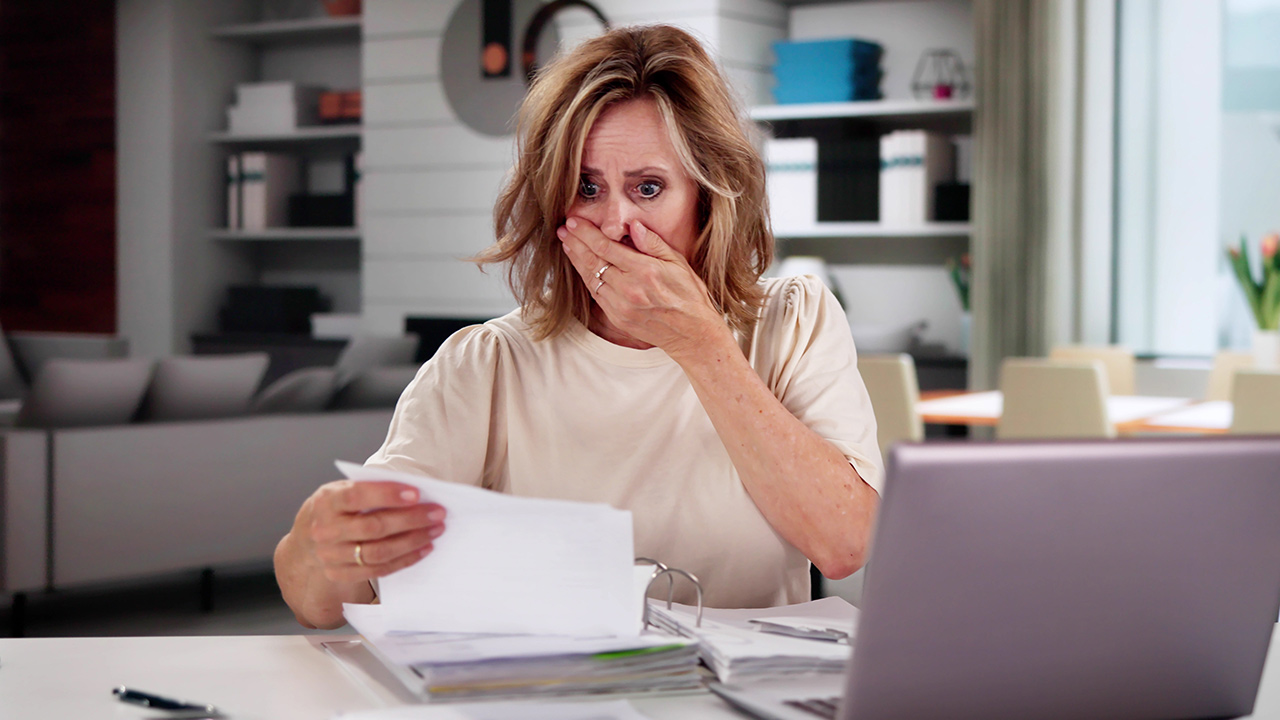
For millions of Australians already struggling with rising grocery bills, mortgage repayments, petrol prices and everyday expenses, the latest increase has delivered another blow to household budgets.
And according to the nation’s top central banker, the outlook is unlikely to improve quickly.
“It is going to make people feel like it’s a recession because they feel poorer, their spending can’t grow very quickly because their incomes aren’t growing very quickly,” Bullock warned.
While the Reserve Bank is not forecasting an official recession, the Governor’s comments highlight the growing financial strain facing Australian families.
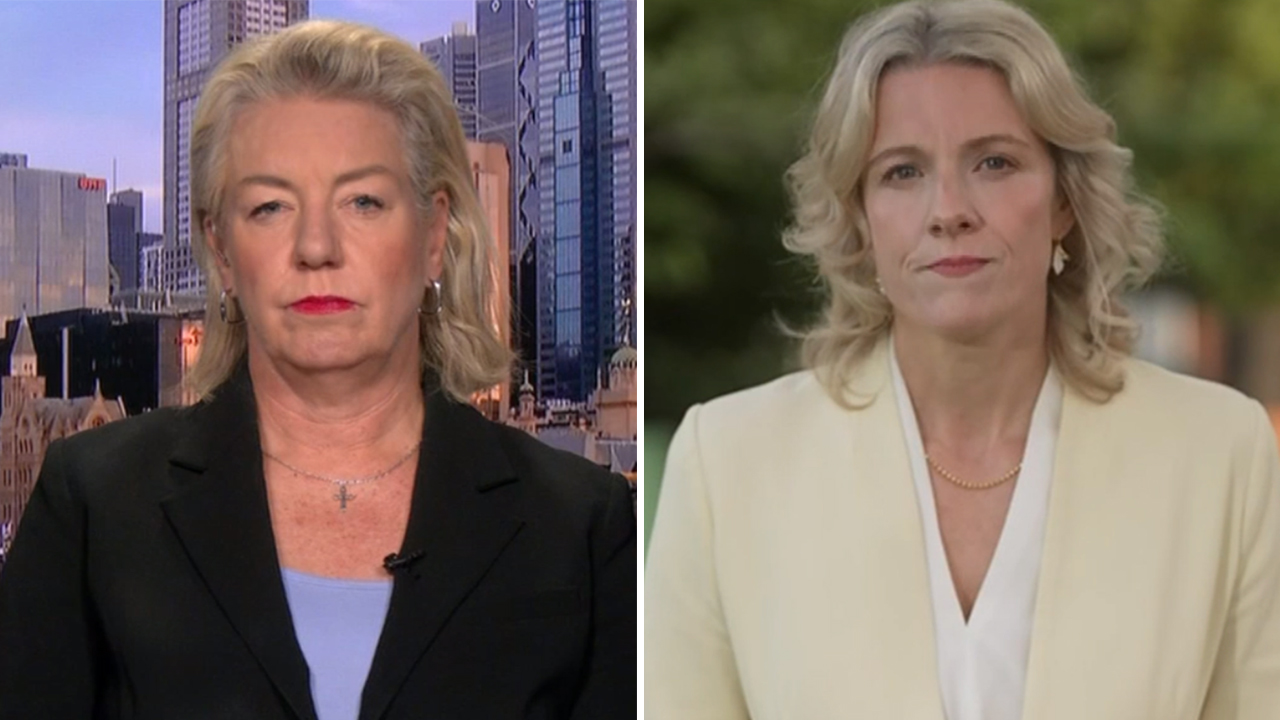
Appearing on Sunrise, Housing Minister Clare O’Neil confirmed the government was preparing a new package of budget savings to be announced in December.
“This is a really tough moment for the country and I know families right around Australia are feeling frustrated and, frankly, exhausted after years of watching their family budget and this is absolutely the last thing that they needed to hear,” she said.
O’Neil acknowledged that reducing government spending was essential to tackling inflation, which remains stubbornly above the Reserve Bank’s target range of two to three per cent.
“The first is we need to bring back government spending. That’s a clear part of the answer here,” she said.
The government is expected to reveal its savings measures in the Mid-Year Economic and Fiscal Outlook, effectively a mini-budget delivered before Christmas.
“Every six months, we have a mini budget that goes in around December. So, we will make some announcements then about a savings package that the Treasurer has already talked about and the government is working through at the moment,” O’Neil said.
However, the government has not yet revealed which programs or services could face cuts, or how much money it hopes to save.
Finance Minister Katy Gallagher has previously indicated that no area of government spending is automatically exempt from scrutiny, although she has stopped short of promising that the December update will deliver more savings than new spending.
What could the cuts mean for older Australians?
For pensioners, retirees and older Australians who depend on government-funded services, the prospect of spending cuts raises questions about what could be affected.
O’Neil stressed that any savings would need to be carefully balanced against the government’s responsibility to fund essential services, including Medicare and aged care.
“This has got to be done really carefully,” she said.
“Our government pays for Medicare so, when you get sick, you can go to the hospital and get the care you need. It helps pay for aged care places if you’ve got an elderly parent.
“We’ve got to be really thoughtful about how we do this. It’s not a simple exercise.”
Gallagher has similarly emphasised the need to protect support for vulnerable Australians, including pensions, disability services and social security payments.
However, she has not explicitly ruled out changes to these areas as the government searches for savings.
For older Australians living on fixed incomes, the combination of persistent inflation and uncertainty over government spending is particularly concerning.
While Age Pension payments are regularly indexed, rising prices can still place significant pressure on household budgets, especially when essential expenses increase faster than overall inflation.
Self-funded retirees may also face challenges as higher living costs eat into their savings, although those holding substantial cash deposits may benefit from higher interest rates.
Government under fire over spending
The Coalition has accused Labor of contributing to the inflation crisis through excessive government spending.
Nationals Senate Leader Bridget McKenzie told Sunrise that the government needed to stop blaming international events and take responsibility for Australia’s economic problems.
“At the end of the day, empathetic statements don’t help fix this problem that the Labor Party created. Making the tough decisions in a budget does,” she said.
“The Labor Party’s economic incompetence has been revealed, and they need to not spend more than they save. That is what will actually fix this problem.”
Opposition Leader Angus Taylor has also called for tighter spending controls, arguing that Australian households are already being forced to make difficult sacrifices and the government should do the same.
Labor has defended its economic record, pointing to two budget surpluses and approximately $180 billion in savings identified since coming to office.
O’Neil argued that Australia’s inflation problem was being driven by several factors, including the war in Iran, higher global energy prices and the enormous investment flowing into artificial intelligence infrastructure.
She said the rapid construction of data centres was placing additional pressure on the economy, while domestic constraints were making it difficult for economic growth to occur without pushing prices higher.
The Reserve Bank has also identified government spending as one contributor to inflation, although private-sector demand and international pressures are playing significant roles.
A difficult Christmas ahead
The latest interest rate increase means mortgage holders are facing another rise in repayments just weeks before Christmas, with some households now paying hundreds of dollars more each month than they were at the beginning of the year.
Although higher interest rates are intended to slow spending and bring inflation under control, they can also reduce economic activity and leave households feeling financially worse off.
For Australians already cutting back on holidays, dining out and Christmas spending, the warning that conditions could feel like a recession will offer little comfort.
The government now faces the difficult task of reducing spending without further hurting households that are already struggling.
Treasurer Jim Chalmers and Finance Minister Katy Gallagher are expected to finalise the December savings package in the coming weeks.
Until then, Australians are being asked to endure another period of financial uncertainty, with little indication of when the cost-of-living squeeze might finally ease.
And with Christmas approaching, the timing could hardly be worse.