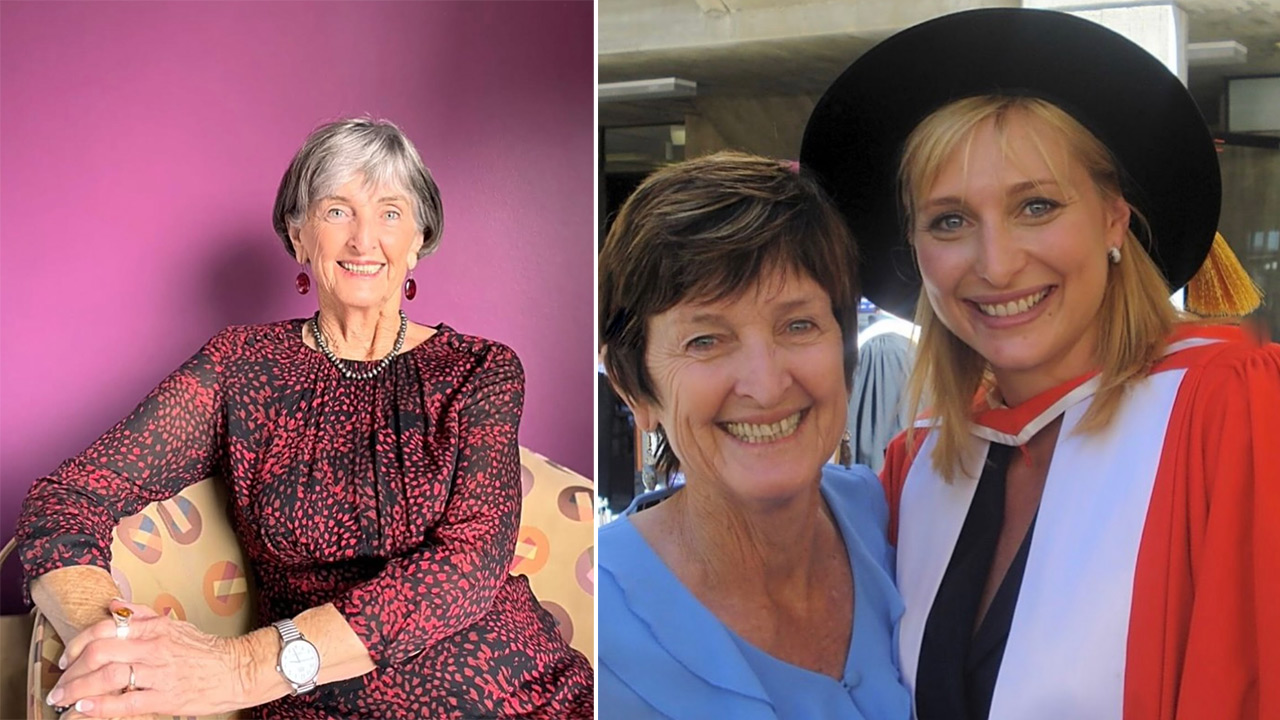
If you have ever wondered why family gatherings seem to have more great-grandmothers than great-grandfathers, new figures suggest you are onto something real. Among Australians who reached their 100th birthday and beyond last year, women outnumbered men by more than three to one – a gap wide enough to reshape how we think about growing old in this country.
The Australian Bureau of Statistics recorded 188,421 deaths in Australia in 2025, up 0.6 per cent on the year before, as the population continues to age. The median age at death was 79.7 years for men and 84.6 years for women, a gap of almost five years. But it is at the far end of the ledger, among centenarians, where the difference becomes impossible to ignore.
Last year, 2,392 women aged 100 or older died in Australia, compared with 724 men. That works out to more than three women for every man who made it past the century mark – a far bigger gap than the overall life expectancy figures alone would suggest.
Researchers have long pointed to a mix of biology and lifestyle to explain why women tend to outlast men, from hormonal differences earlier in life to historically lower rates of smoking and risk-taking among women of earlier generations. Whatever the precise mix of causes, the practical effect shows up clearly in the data: longevity, at its most extreme, is overwhelmingly a woman’s story.
That trend carries real financial weight for Australians planning ahead, which is why the timing of the recent warning from the corporate regulator matters; ASIC named funeral insurance as one of its priorities for the year ahead, flagging ongoing reports from the Australian Financial Complaints Authority and consumer groups about policies where the premiums paid can end up costing more than the benefit ever delivers.
For households where women are statistically likely to outlive their partners by a decade or more, that is not a small detail. It means the person left holding insurance paperwork, superannuation decisions and funeral arrangements is, more often than not, going to be the woman of the household – sometimes well into her 90s or beyond.
It is also a reminder that an ageing Australia is not one story but two, running on different timelines. Men’s median age at death sits closer to 80, while a growing cohort of women are living long enough to need plans that stretch into triple figures.
Three women to every man past 100 is not just a curiosity for the record books. It is a quiet instruction to make sure the paperwork, and the plans, are built to last as long as the women they are meant to protect.