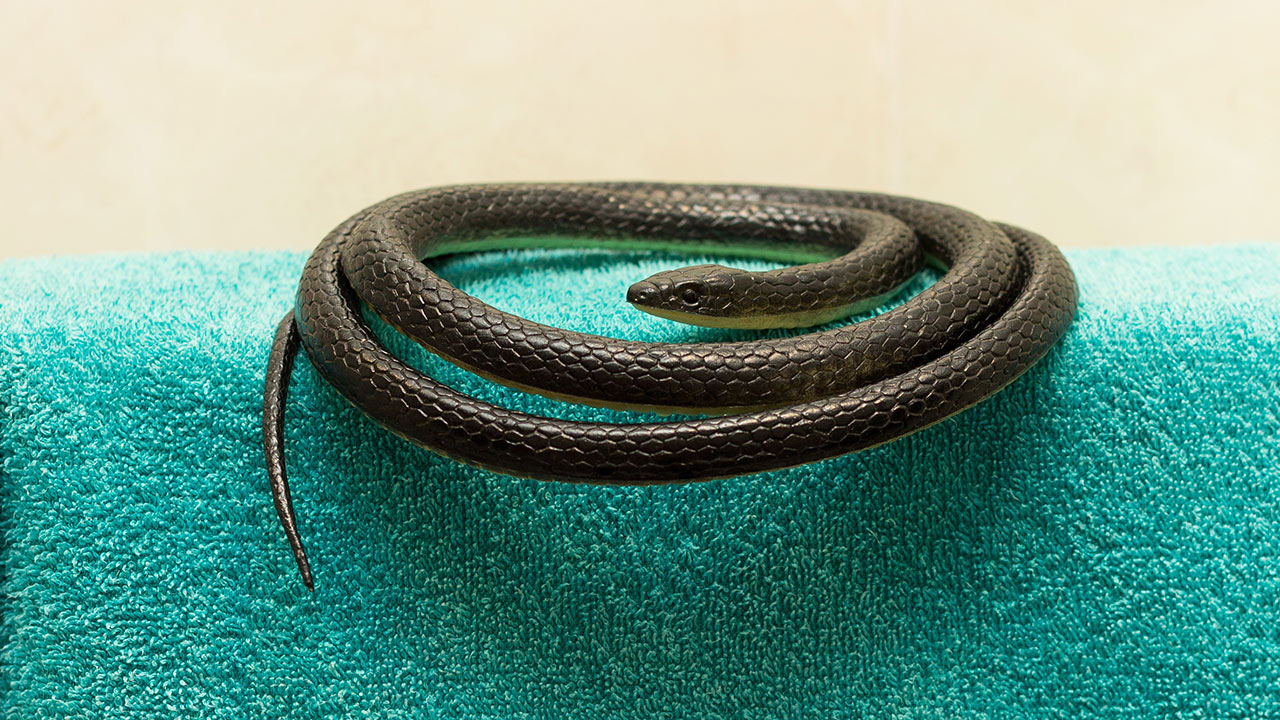
Snake season is back across Australia, and wildlife experts have one warning above all else: whatever you do, don’t try to handle it yourself.
As the weather warms and gardens come back to life, so do the reptiles that share our backyards. For older Australians who spend more time outdoors tending veggie patches or walking the dog at dusk, knowing the one thing never to do could make all the difference.
Australia has more than 170 land and sea snake varieties, including around 100 venomous species and 12 capable of inflicting a bite that can be fatal. In the 2024-25 financial year, more than 2,100 Australians ended up in hospital after a snake bite, according to the Australian Institute of Health and Welfare.
Despite those figures, snakes are not looking for a fight. The Wildlife Information Rescue and Education Service says the animals generally leave people alone unless they feel cornered or provoked.
There’s a common belief that snakes disappear entirely over winter and reappear once the sun comes out, but WIRES spokesperson John Grant said the truth is a little more complicated.
“They actually never go completely into hiding,” Grant told SBS News. “Our snakes, and a lot of reptiles, go into what’s called brumation. That’s when their metabolic rate slows down somewhat in the colder months for them to be able to conserve energy … They’ll still go out and get a feed every now and then.”
Once the warmer months set in, brumation ends and snakes head out in search of food and mates, which is exactly why spring and summer bring more sightings in gardens, sheds and around the compost heap.
Some of the snakes turning up in backyards will be familiar and harmless, such as the green tree snake or the diamond python, both common non-venomous visitors during the warmer months. But Grant said appearances can be deceiving, even for those who think they know their reptiles.
His advice is to treat every snake as though it could be venomous, and to leave the job of moving it to someone trained to do so.
“Don’t approach it. Don’t try to contain it. Don’t try to move it. And worst of all, don’t try to kill it,” he said.
Grant understands the fear many people feel around snakes, but said that fear is precisely what can lead to a dangerous outcome, especially if a frightened snake is backed into a corner with nowhere to retreat.
“The worst thing you can do to put yourself at risk is attempting to harm an animal,” he said.
He added that most people have the relationship backwards. Snakes aren’t hunting us, they’re avoiding us.
“I think another thing that people need to realise is they see us as the predators. They’re far more scared of us than we are of them,” Grant said. “We’re not a food source for the snakes in Australia, so they see us as a threat.”