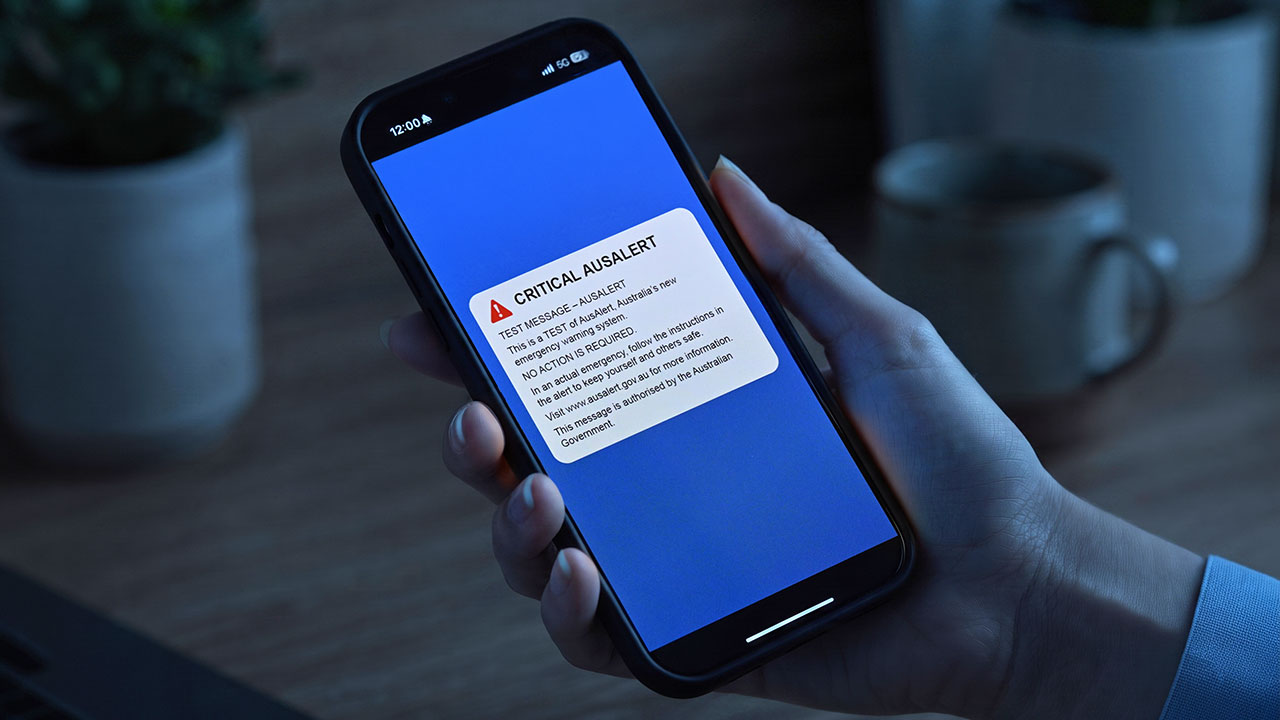
On Monday 27 July, phones across Australia will erupt in a piercing ten-second siren, even if they are switched to silent or Do Not Disturb. For most households it will be a startling but harmless test. For some, it could be a warning that arrives too late.
The blast is the first nationwide trial of AusAlert, a new emergency warning system designed to reach every compatible mobile device at once. Authorities say it will help deliver lifesaving alerts during floods, bushfires, public safety threats and biosecurity emergencies, and they hope the test will give the public confidence that the system works as intended when a genuine disaster strikes.
But family and domestic violence advocates are raising a quieter, more urgent concern. Some women rely on a hidden phone kept secretly for emergencies, a device their partner does not know exists. It is often the only means they have of calling for help in a moment of crisis. If that phone suddenly blares out a siren, it could expose the very lifeline meant to protect them, in some cases with dangerous consequences.
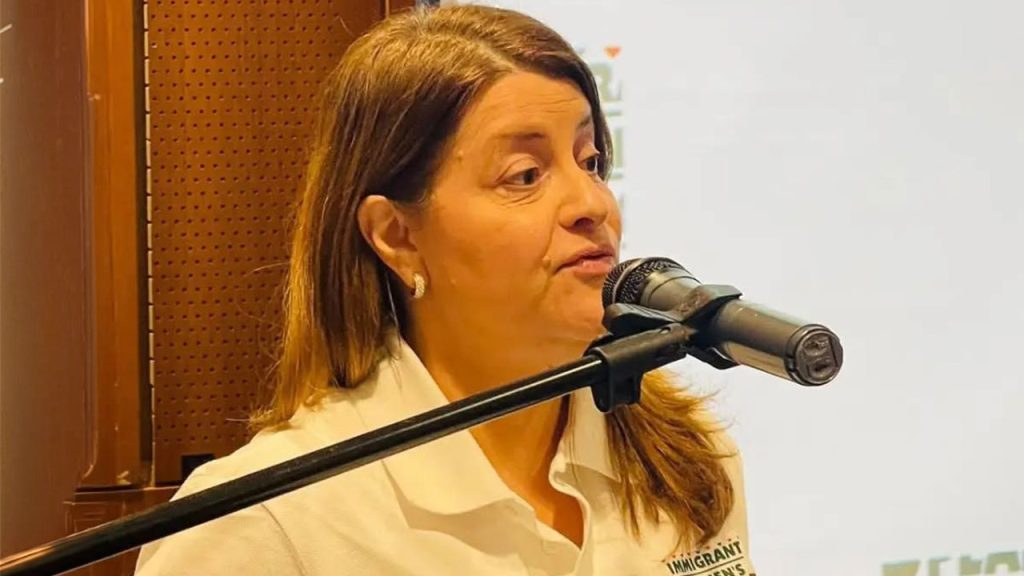
Maria Kissouri, chief executive of the Immigrant Women’s Speak Out Association in western Sydney, says the risk is real for the women her organisation supports. “They need that phone in case of an emergency to be able to contact Triple Zero if they felt their life was threatened,” she says, warning that “those women’s safety might be compromised as an unintended consequence of the AusAlert system.”
Her organisation has spent more than four decades supporting migrant women facing domestic and family violence. Staff are now racing to reach victim-survivors before the test alert sounds, urging them to switch their hidden phones off in advance. The window to make contact is narrow, and every day that passes brings the test date closer.
It is not always straightforward work. Advocates say some women cannot be contacted directly at all, because even a phone call or message could put them in danger if it were discovered. In those situations, workers must find indirect and careful ways to pass on the warning, often relying on trusted intermediaries.
The scale of the problem is sobering. A 2021 national study by Monash University’s Migration and Inclusion Centre and the Harmony Alliance found one in three migrant and refugee women had experienced family and domestic violence in the previous five years. Among women on temporary visas, that figure rose to 40 per cent, alongside far higher rates of migration-related abuse and threats. For many of these women, insecure visa status adds another layer of fear that keeps them from seeking help.
Kissouri says the pattern is depressingly familiar. “What they experience after arriving in the country is abuse from their fiancé, their partner, or the person that they’ve just married,” she says. Isolation from family, unfamiliar surroundings and a limited support network can leave these women especially vulnerable.